

Livestock trailers, cleaning and why bare steel matters
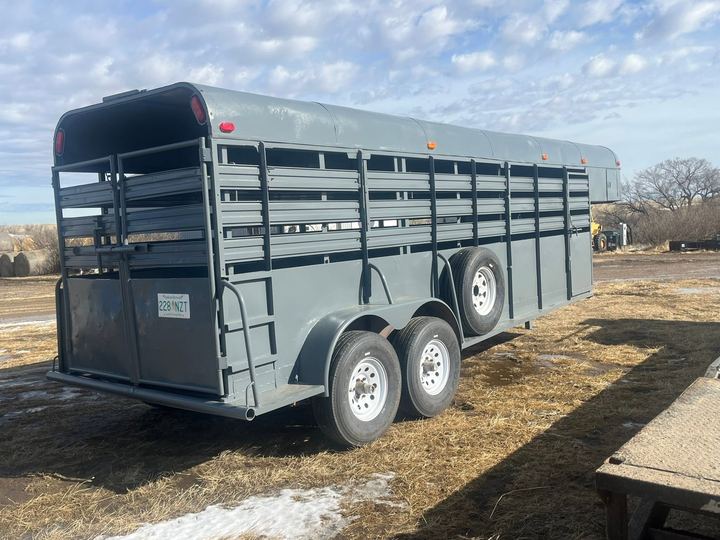
Biosecurity guidance always assumes a cleanable surface. Rusted, pitted steel is not one, and that is a practical problem rather than a cosmetic one.
Why pitting matters
Corrosion creates a rough, porous surface full of pits and scale. Organic material lodges in it, disinfectant cannot reach it, and the surface cannot be dried properly. You can follow a cleaning protocol perfectly on a surface that is incapable of complying with it.
What a strip-and-coat changes
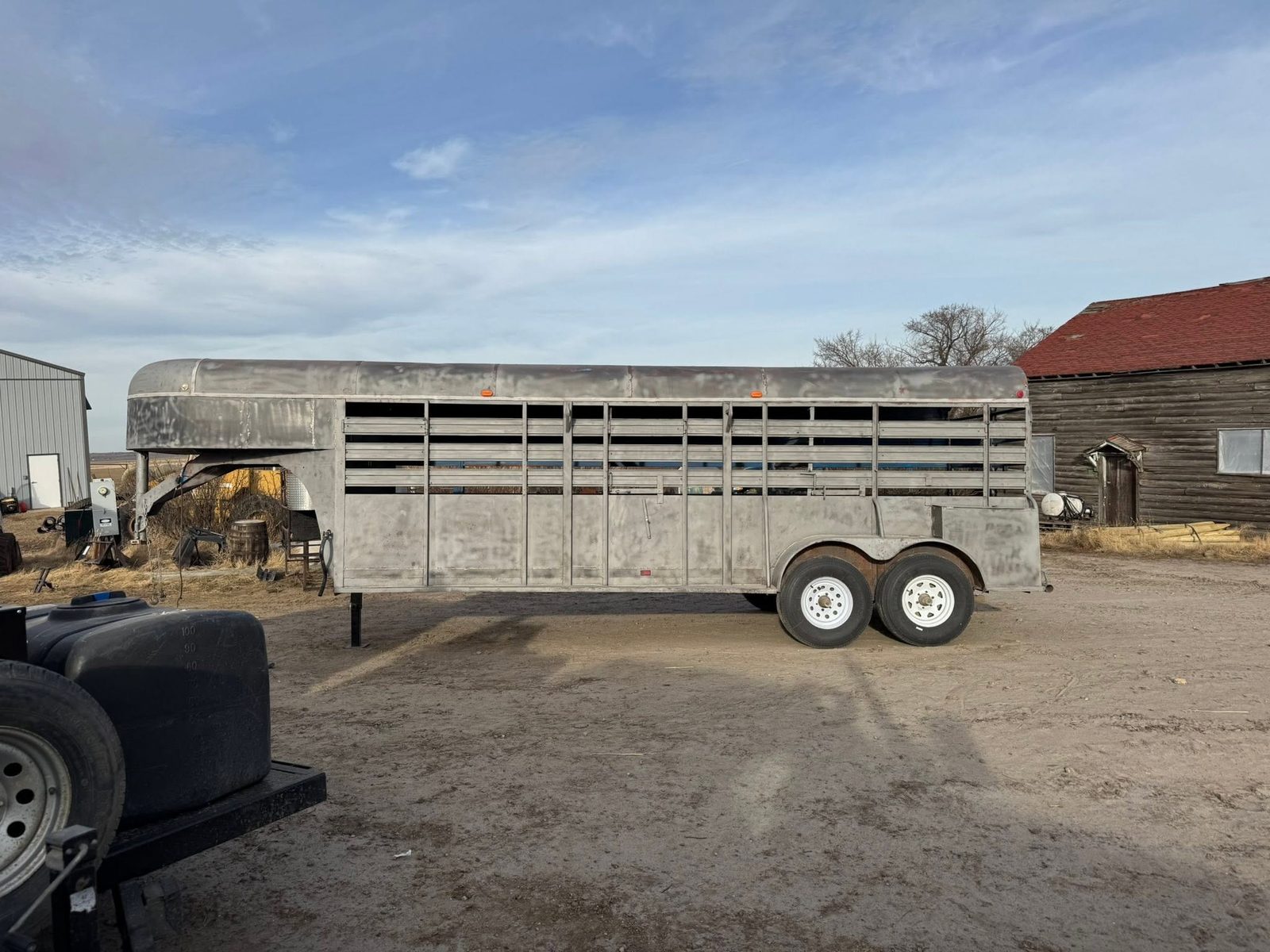
- Removes scale and corrosion products that hold material.
- Gives you a smooth, sound surface a coating can bond to.
- Makes washing genuinely effective rather than cosmetic.
- Shows you the actual condition of the floor and lower rails.
The coating question
Ask your supplier for something rated for washdown and chemical exposure. A general enamel on a trailer floor is a season, maybe two.
Trailers moving between operations across Cypress County, the County of Forty Mile and out to Bow Island are exactly the vector a biosecurity plan is written to control. Bare, sound steel is what makes a wash-down actually work.
Talk it through with Matt.
Call 403-702-4435 or text a photo of the job for a straight answer.
Fastest way to a number: text a photo of what needs blasting to 403-702-4435.
Keep reading.
Stock trailer floors: where the rot actually starts
The outside looks fine for years while the floor and lower rails go. What blasting finds, and why it is better to find it early.
Read it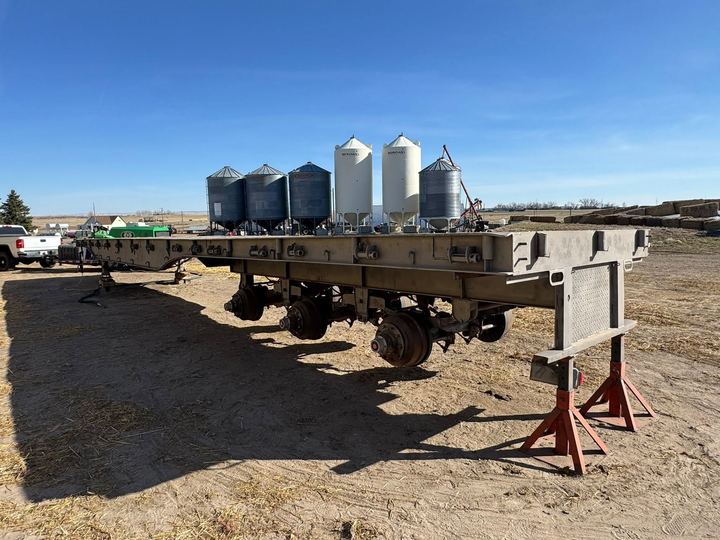
The best time to blast farm equipment is when it is parked
Freeze-up to seeding is the only window where stripping and repainting equipment costs you nothing in working days. Most operators miss it.
Read it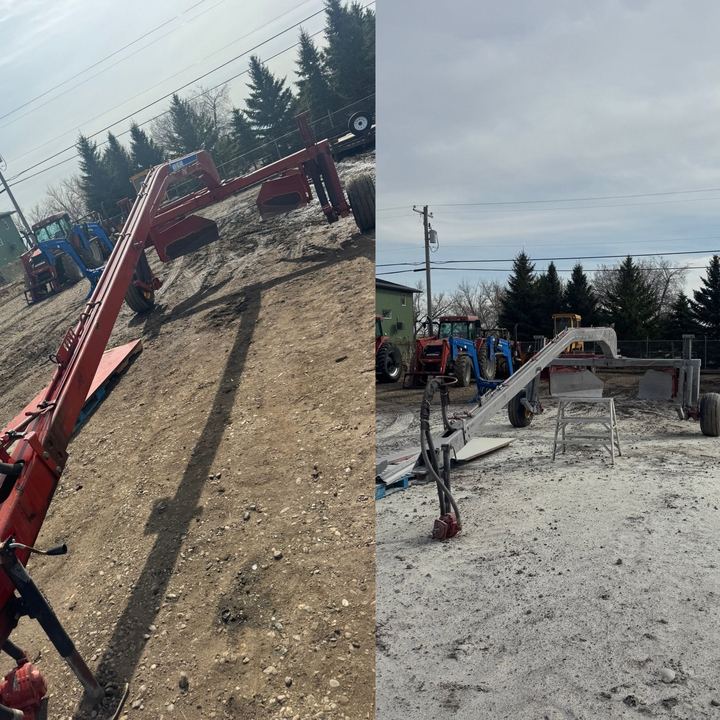
Grain bin exteriors: what maintenance actually buys you
Bin sheeting, legs and hoppers corrode quietly. What is worth preparing and coating, and what is better left alone.
Read it