


What works,
what fails,
and why.
Notes on the jobs, the ones we turn down, and the reasons why.
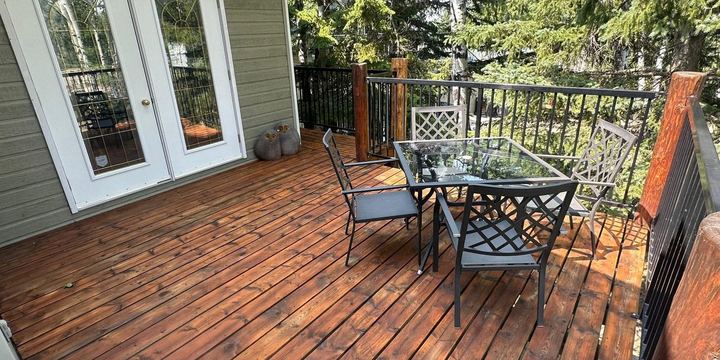
How often a deck needs refinishing in southeast Alberta sun
We get more sun than almost anywhere in Canada. What that does to a deck finish and a realistic cycle for horizontal surfaces.
Read it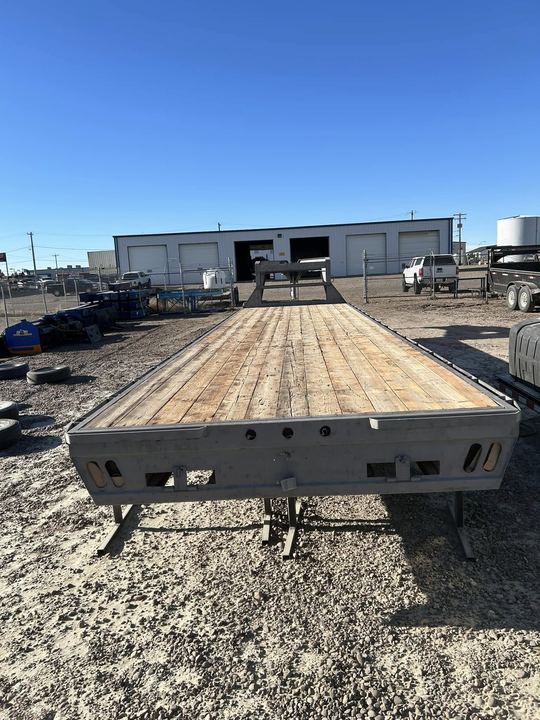
Surface profile, explained without the jargon
Anchor pattern, mils, peak-to-valley. What your coating datasheet is actually asking for and why the number matters.
Read it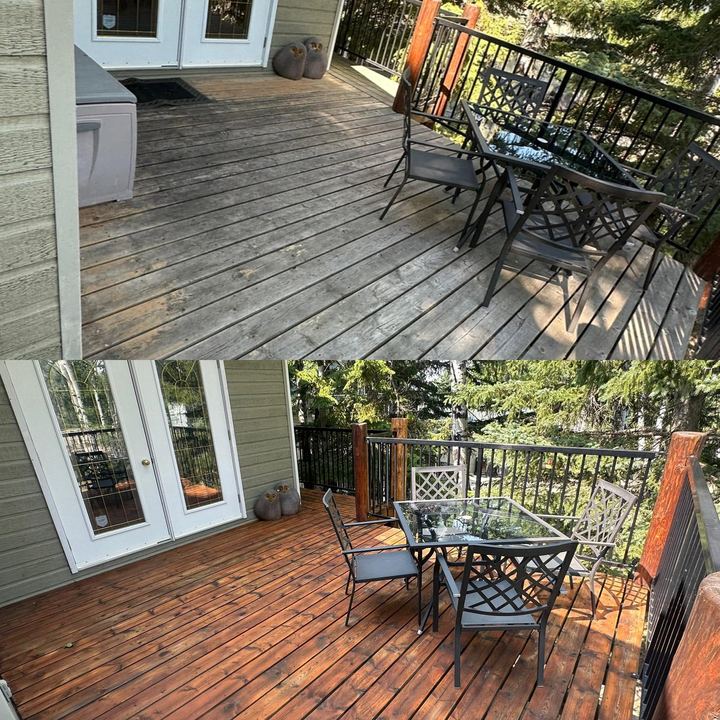
Blasting vs sanding a deck: where each one wins
Sanding is cheaper on a small flat deck. Everywhere else the geometry decides it. An honest comparison.
Read it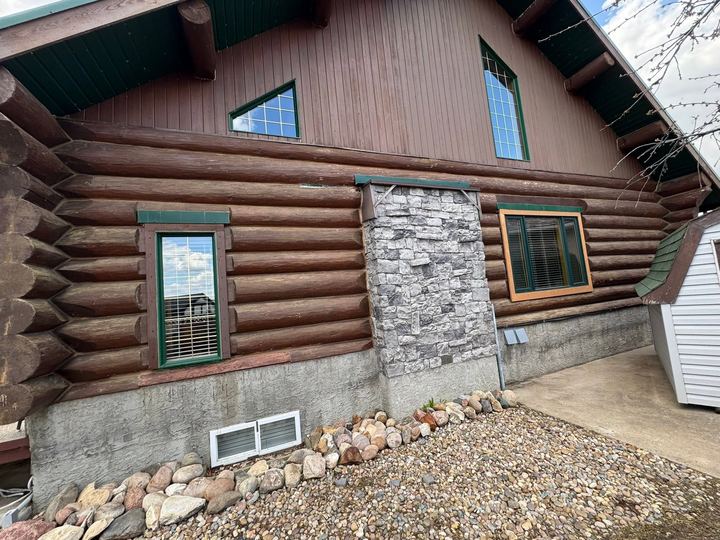
Why your log home went grey — and what stripping it actually involves
UV, not dirt, is what greys a log home. Here is what is really happening to the timber, why sanding disappoints, and how media blasting differs.
Read it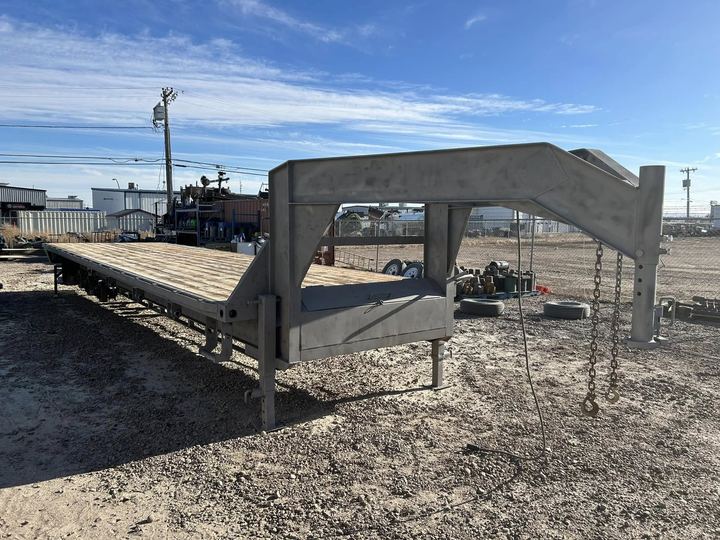
SP-6, SP-10 and the standards your coating is asking for
Commercial blast, near-white, white metal. What the common cleanliness standards actually require and which one your job needs.
Read it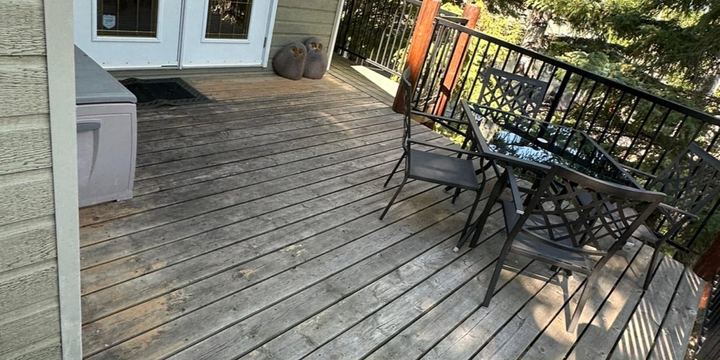
Cedar, pressure-treated and how each behaves under blasting
The two most common deck timbers strip very differently. What to expect from each and where the risks are.
Read it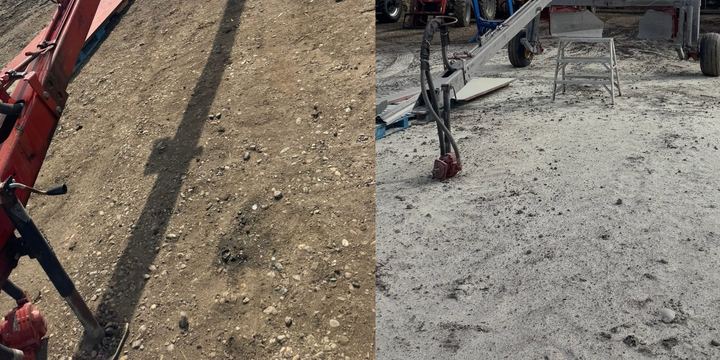
Stock trailer floors: where the rot actually starts
The outside looks fine for years while the floor and lower rails go. What blasting finds, and why it is better to find it early.
Read it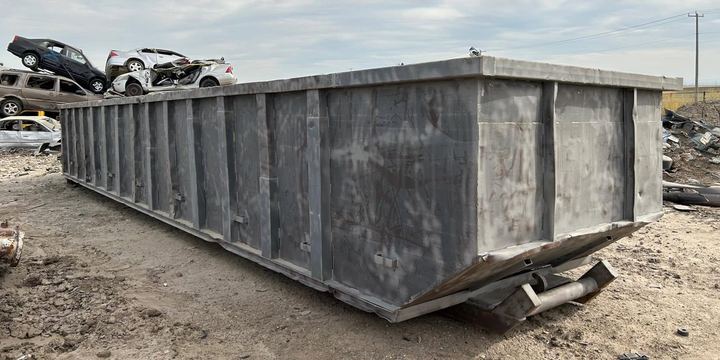
Running a roll-off bin fleet through refurbishment
Bins are the definition of a rolling maintenance problem. How to cycle a fleet through without taking the whole thing off the road.
Read it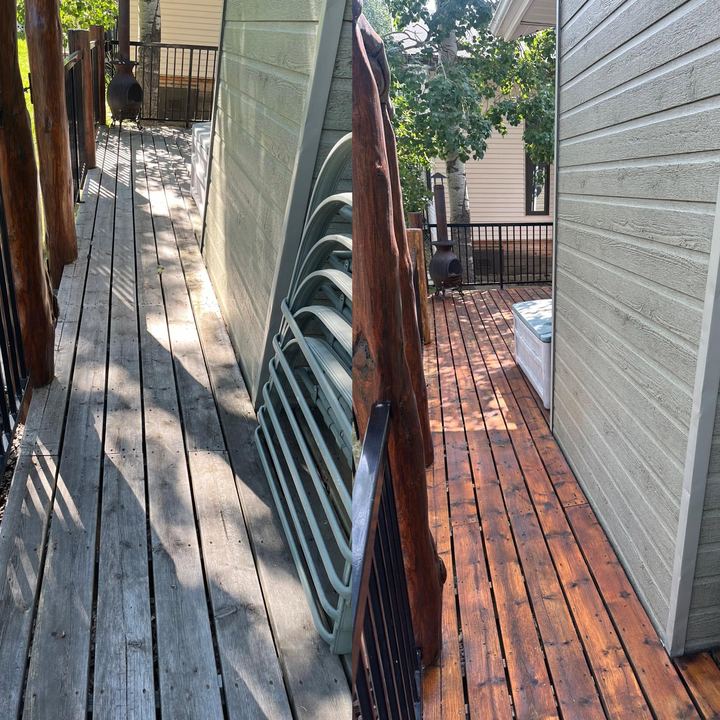
Is blasting a fence actually worth it?
Usually not, and we would rather say so. The cases where it is, and the cheaper alternatives for everything else.
Read it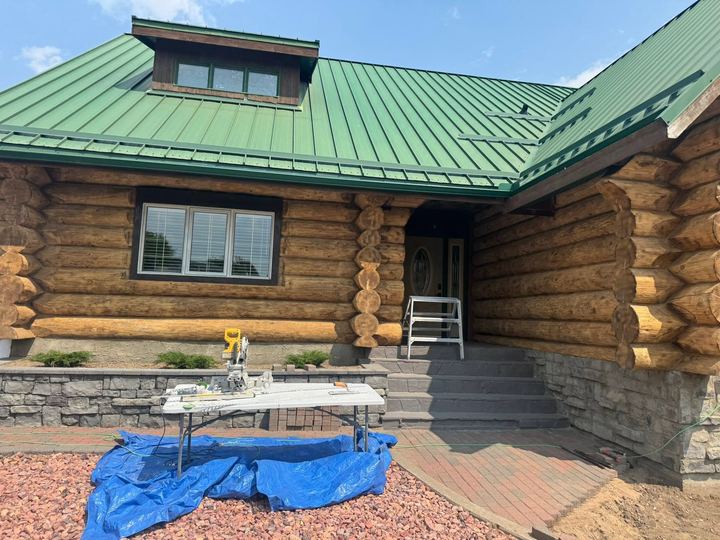
How often does a log home need re-staining in southern Alberta?
Our sun and wind are harder on a log wall than most of Canada. Here is a realistic cycle by elevation, and the signs that say do it now.
Read it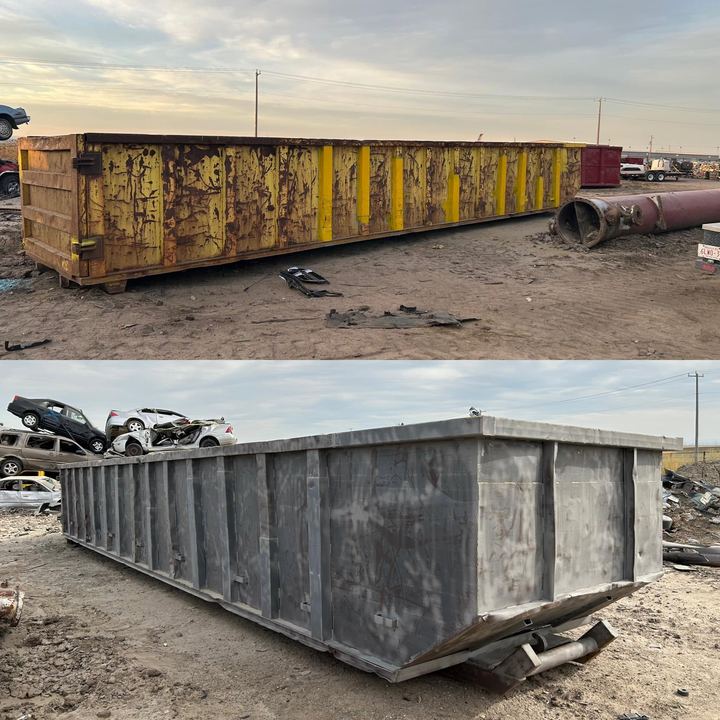
Flash rust: the clock that starts the moment we finish
Bare steel begins oxidising immediately. What flash rust is, what inhibitors do, and how to plan the gap between blast and coat.
Read it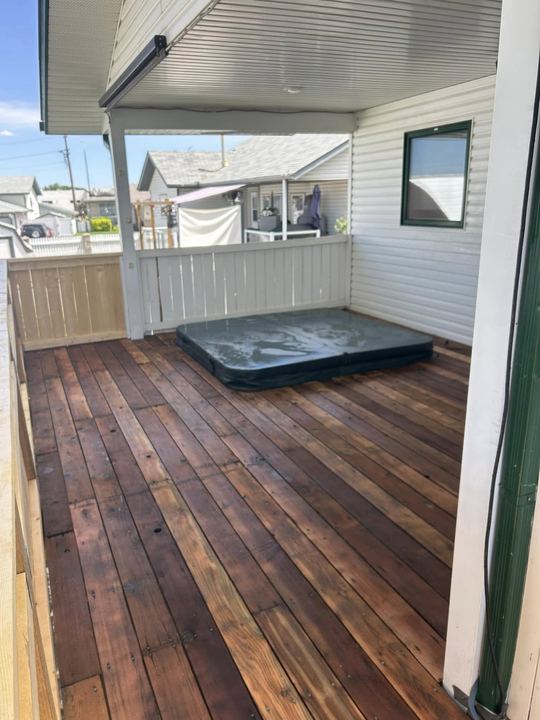
Sealing a deck after blasting: timing and product
Stripped boards are open and thirsty. How long you have, what to put on, and the mistake that undoes the whole job.
Read it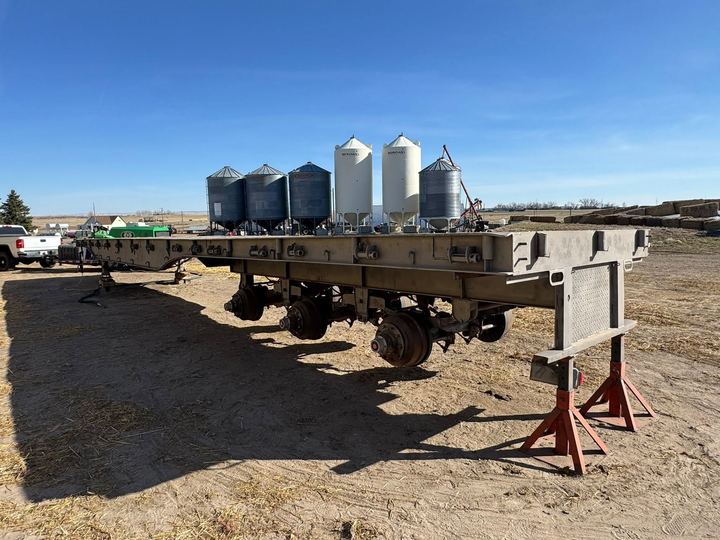
The best time to blast farm equipment is when it is parked
Freeze-up to seeding is the only window where stripping and repainting equipment costs you nothing in working days. Most operators miss it.
Read it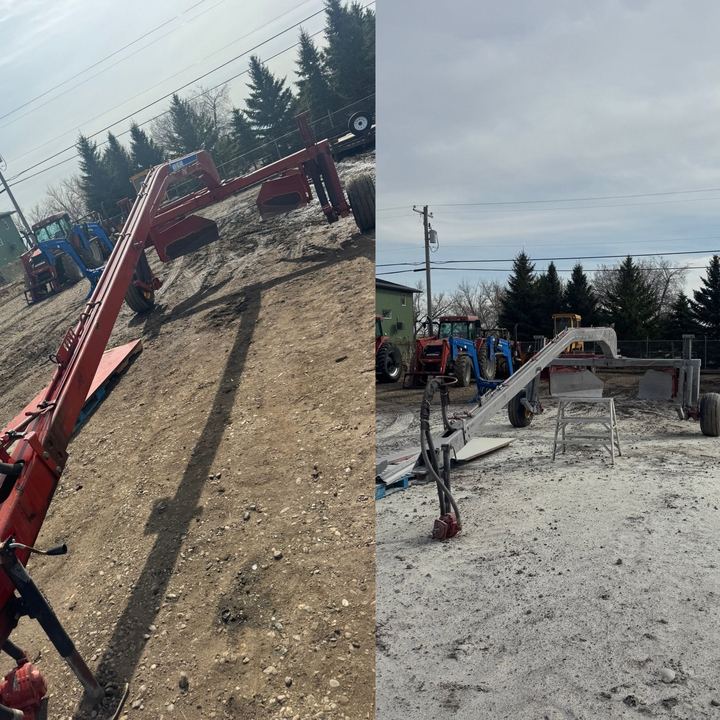
Grain bin exteriors: what maintenance actually buys you
Bin sheeting, legs and hoppers corrode quietly. What is worth preparing and coating, and what is better left alone.
Read it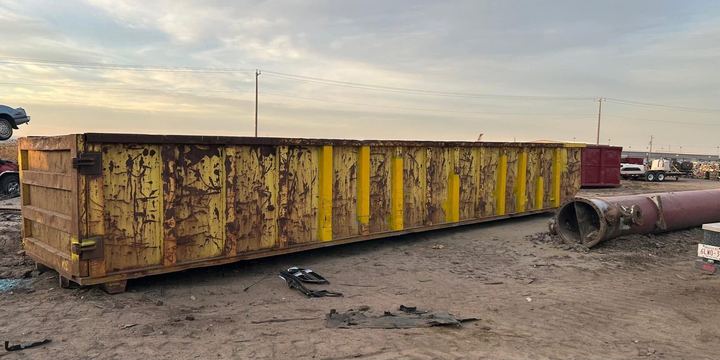
Blasting on a site that cannot shut down
Containment, dust control and staging when the operation next to you has to keep running. What is realistic and what is not.
Read it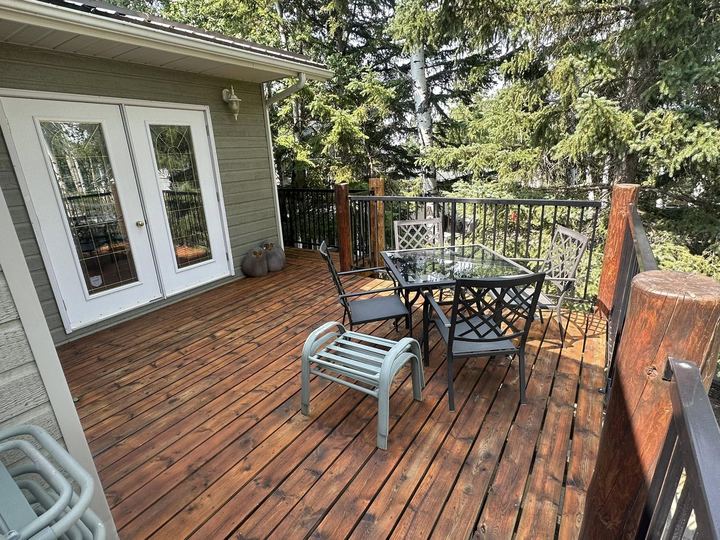
Do not blast composite decking
A short post about a job we turn down every year, and what to do with tired composite instead.
Read it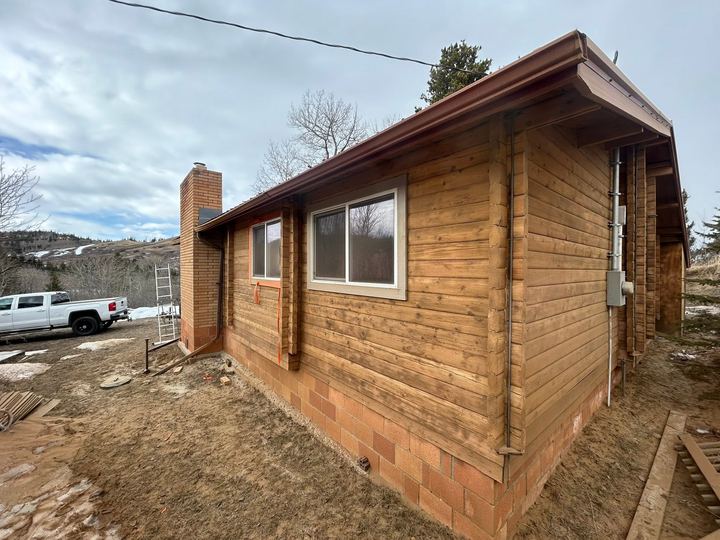
Chinking: what it does and when it has to be replaced
Chinking is the seal between your logs and the weather. Here is how to tell whether yours is tired, and how it interacts with a blast.
Read it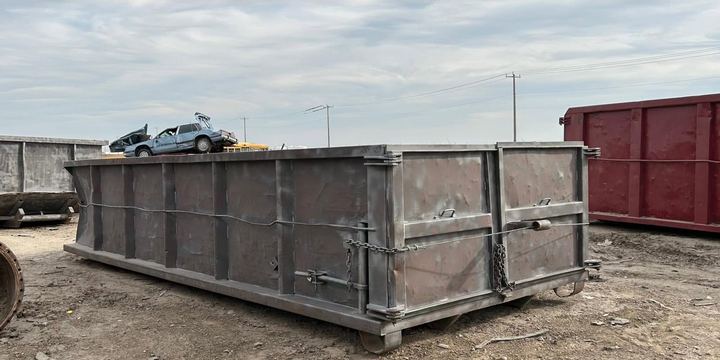
ComplyWorks, ISNetworld and getting through the gate
Industrial sites increasingly require contractor prequalification before anyone is on site. What it involves and why to raise it early.
Read it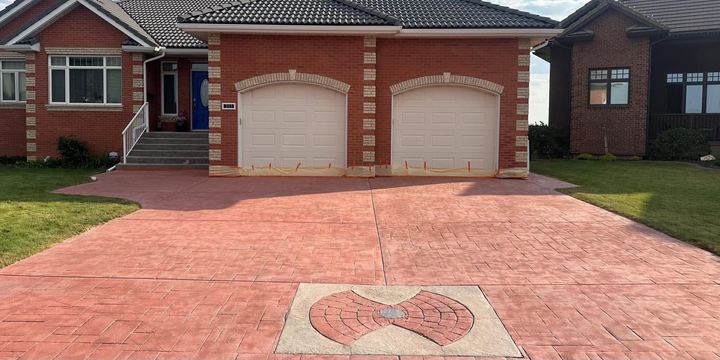
Exposed aggregate: how the finish is actually made
Blasting concrete to expose the stone is a controlled removal, not a clean. What decides how it turns out.
Read it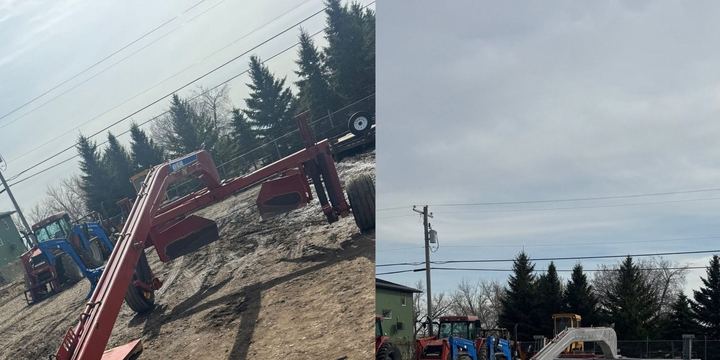
Prepping an auger or conveyor for repaint
Tubes, flighting and hoppers are awkward geometry full of places rust hides. What gets reached, what does not, and what to expect.
Read it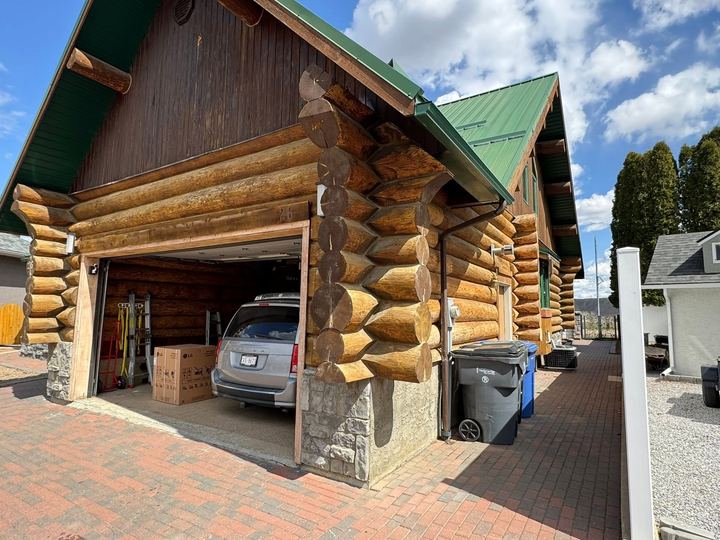
Choosing a stain for a freshly blasted log home
Bare logs will take almost anything, which is exactly the problem. Film vs penetrating, clear vs pigmented, and what our sun does to each.
Read it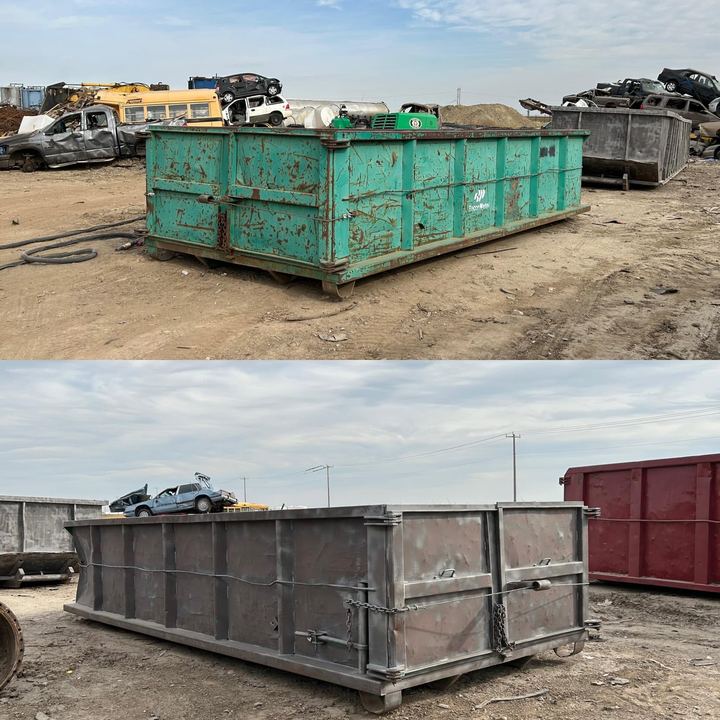
Tank and vessel exteriors: where maintenance money goes furthest
Exterior corrosion on tanks concentrates in predictable places. Targeting those beats blanket recoating.
Read it
Why your concrete sealer went cloudy, and how it comes off
White blush, peeling and hazing on decorative concrete. What causes each and why recoating over it makes it worse.
Read it
When a coating fails, it is almost never the paint
Adhesion failure traces back to surface preparation far more often than to the coating itself. What proper prep actually means on industrial steel.
Read it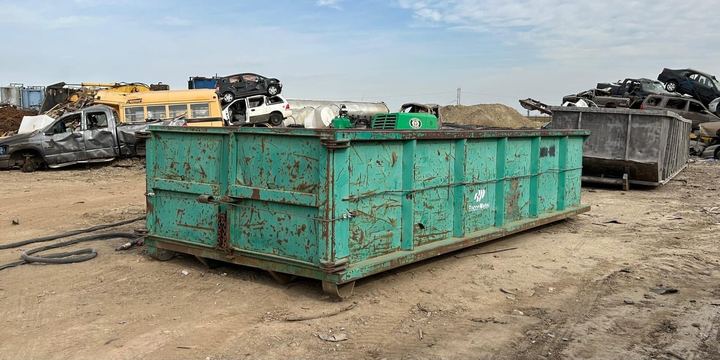
Repair or replace: what blasting tells you
Stripping an asset removes everything hiding its condition. How to use that information rather than being blindsided by it.
Read it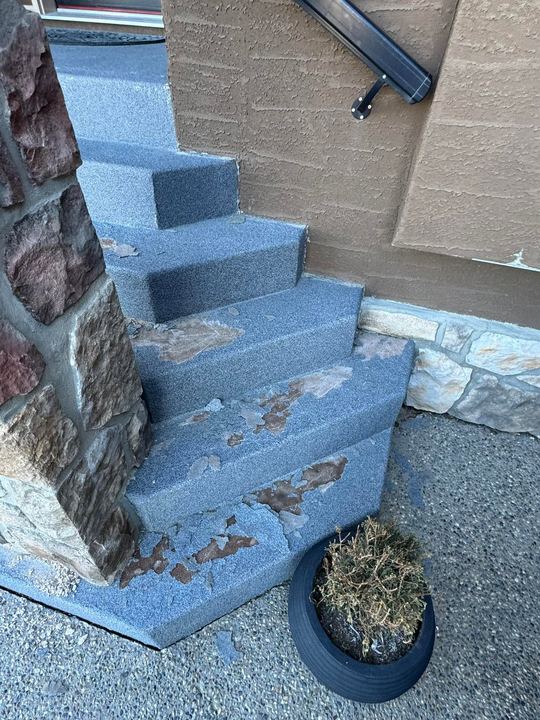
Removing parking lot lines without scarring the asphalt
Reconfiguring a lot means the old layout has to go. Grinding leaves ghosts and gouges — blasting does not have to.
Read it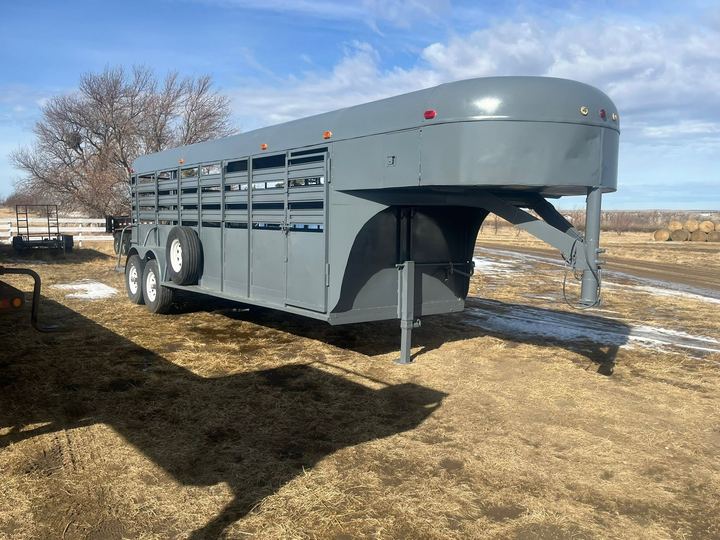
Why coatings fail on sprayer booms faster than anywhere else
Chemical exposure, constant flex and thin-wall tube make booms the hardest thing on the farm to keep coated. What actually helps.
Read it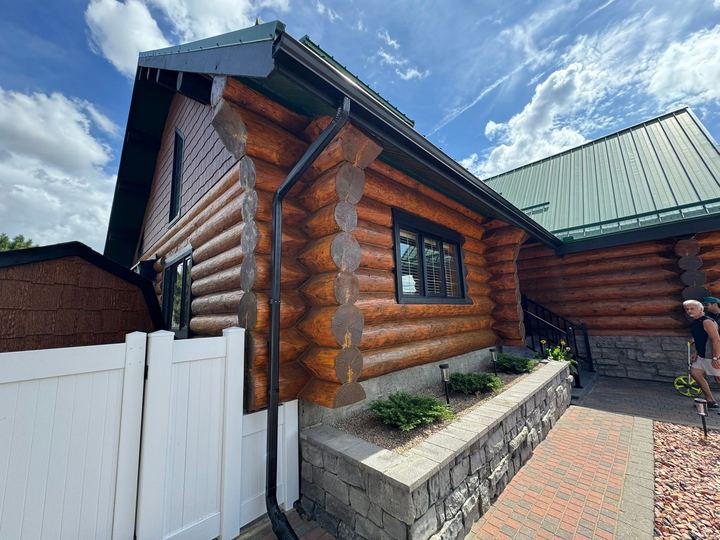
Borate treatment: the step people skip after stripping
A stripped wall is your one clean shot at treating the wood itself against rot and insects. Here is what borates do and when to apply them.
Read it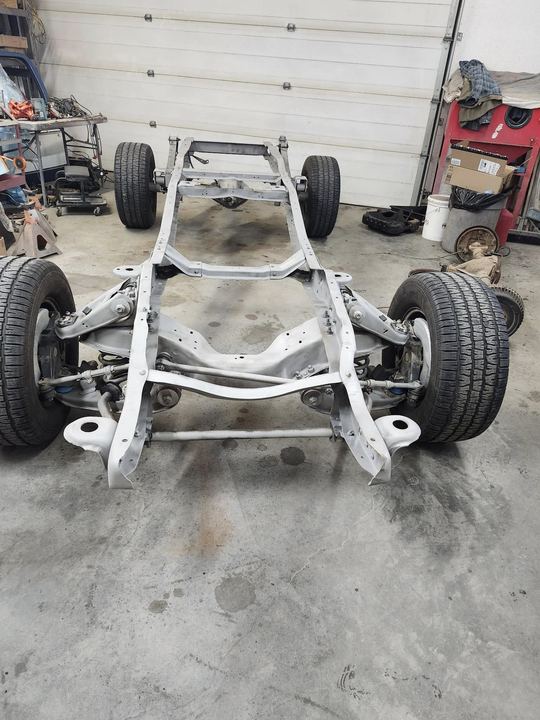
Wet vs dry blasting on body panels
Friction heat is what warps sheet metal. Why water in the stream is not a preference on thin panels — it is the whole reason the job works.
Read it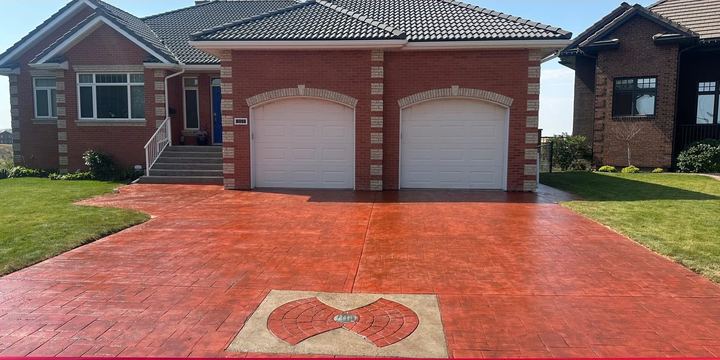
That white powder on your brick is telling you something
Efflorescence is a symptom, not a stain. Cleaning it off without addressing the cause just means it comes back.
Read it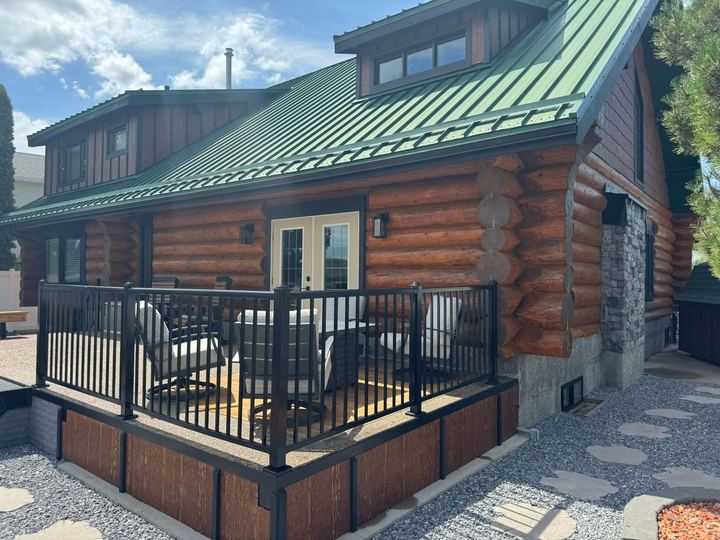
What drives the price of a log home restoration
Why two log homes of the same size can quote thousands apart, and what you can do before we arrive that genuinely lowers the number.
Read it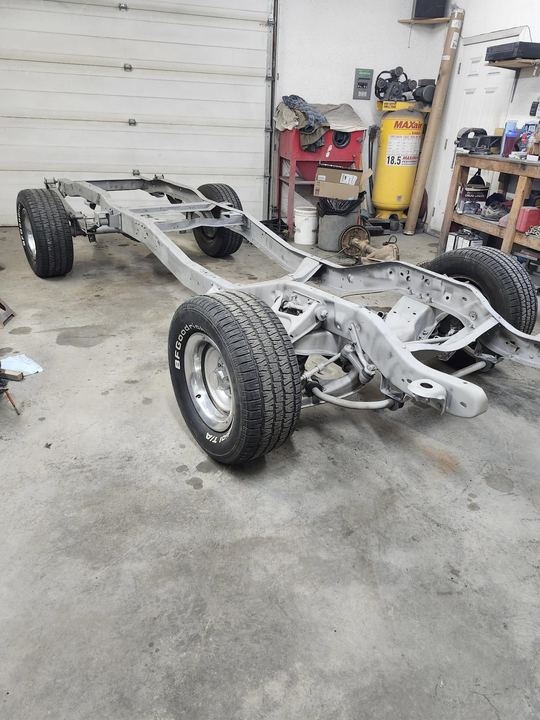
Blasting for a frame-off restoration
What to strip, what order to do it in, and the mistakes that cost people a second round of preparation.
Read it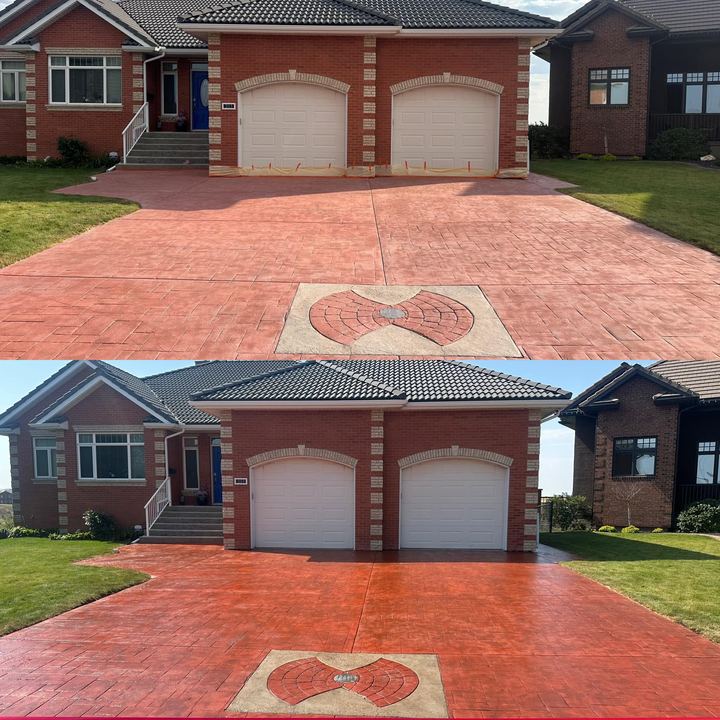
Garage floor epoxy: the prep is the whole job
Most failed garage floor coatings failed at preparation. What a slab actually needs before epoxy goes anywhere near it.
Read it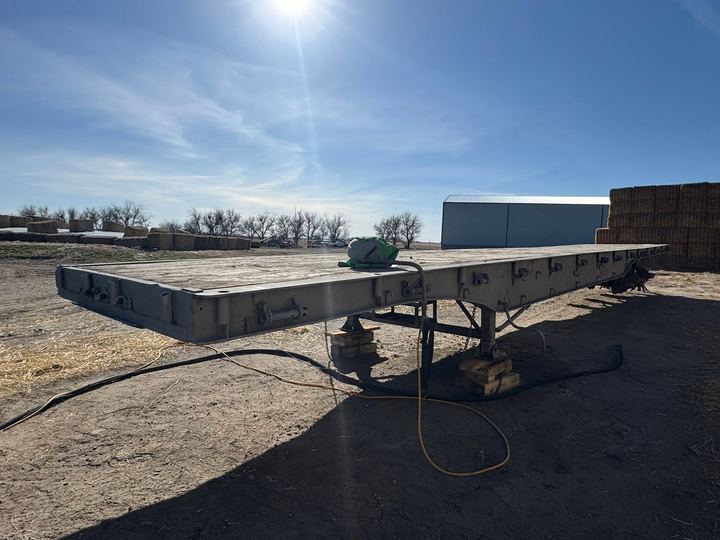
What blasting a header actually involves
Headers are full of components that must not be blasted. Here is what comes off, what gets masked, and what should come off the machine first.
Read it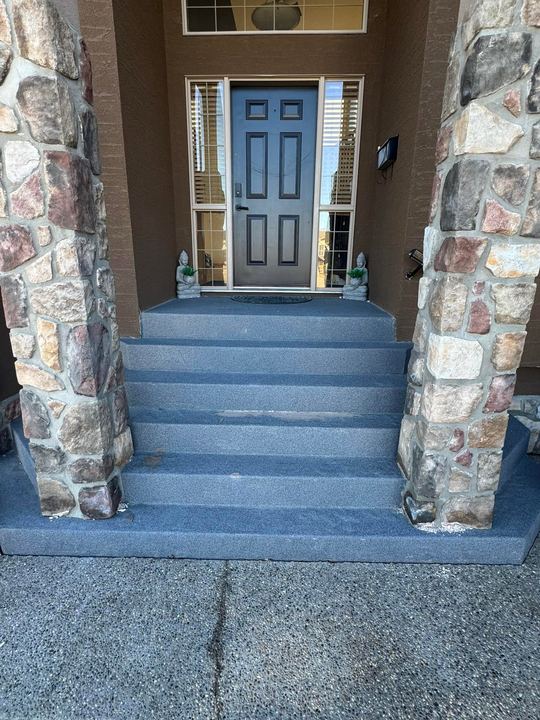
Sandblasting heritage brick is how you destroy it
Medicine Hat is a brick town. Aggressive blasting strips the fired face off historic brick permanently — here is what happens and when to walk away.
Read it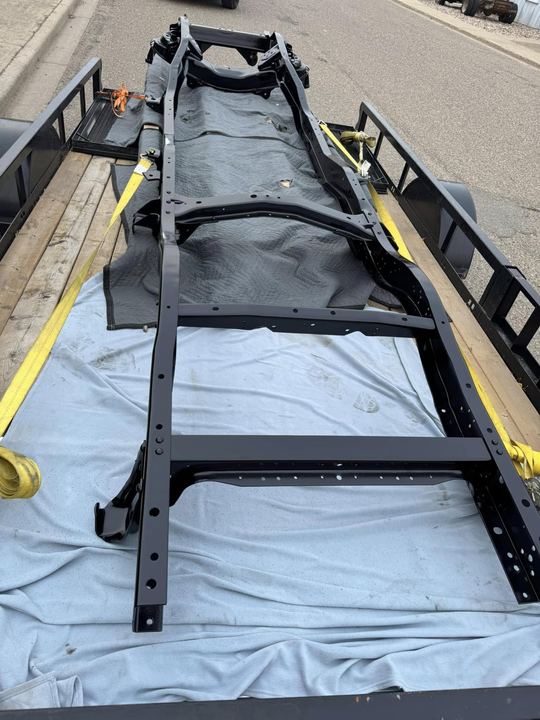
Wheels: stripping alloys properly before refinishing
Brake dust, curb rash and failed clear coat. What comes off, what to watch on alloy, and why the prep decides the finish.
Read it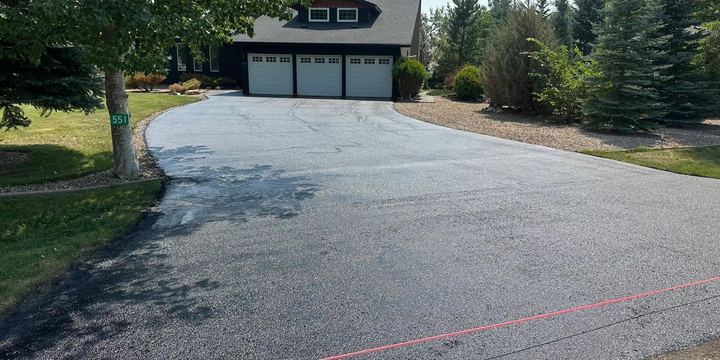
Why asphalt turns grey, and what sealing actually does
The colour is a symptom of binder loss. What that means for the life of your driveway and when sealing is worth the money.
Read it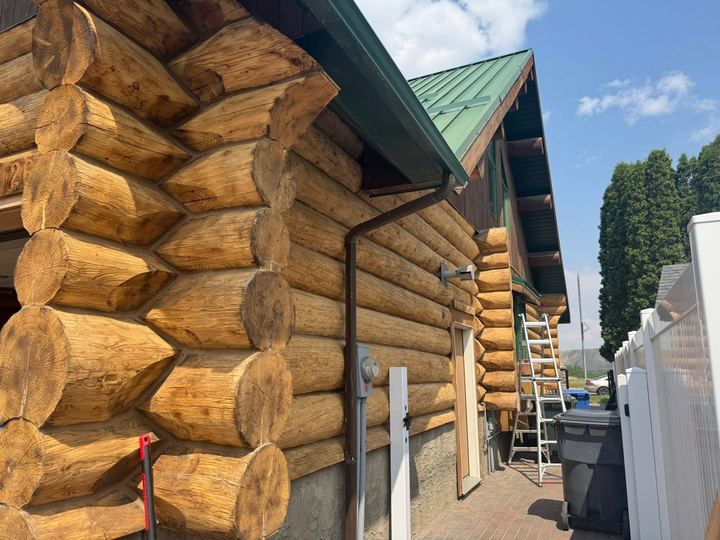
The five details on a log home that always fail first
Corners, butt joints, checks, log ends and the first course. If you only inspect five things every spring, inspect these.
Read it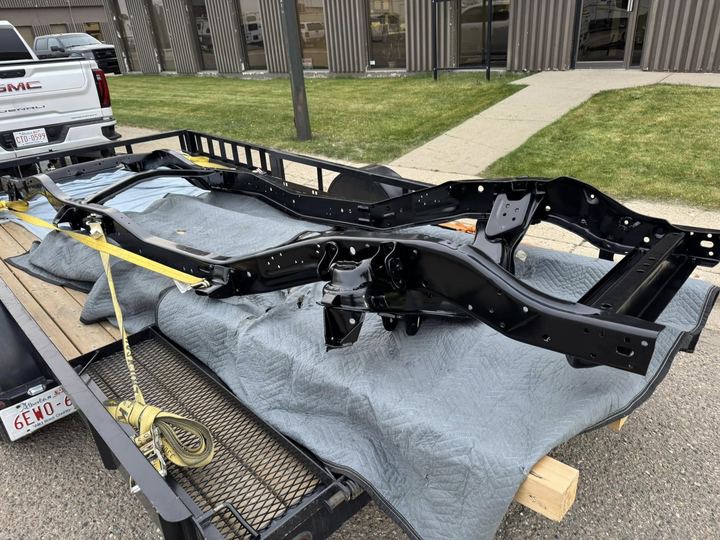
Media blasting vs chemical dipping a shell
Dipping reaches everywhere. Blasting leaves a profile. A straight comparison of the trade-offs on a full body shell.
Read it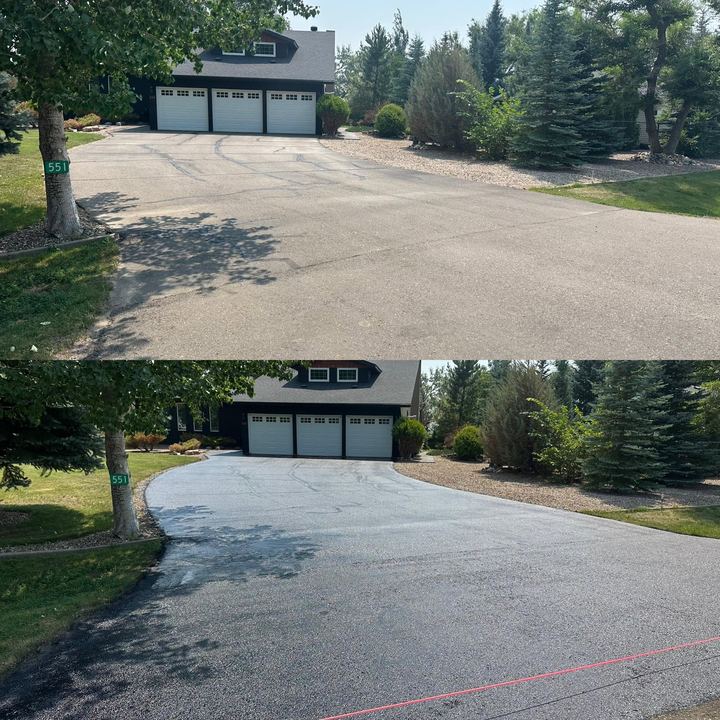
Cracks have to be dealt with before sealer, not under it
Sealer is not a crack filler. What happens when you seal over open cracks and the right order of operations.
Read it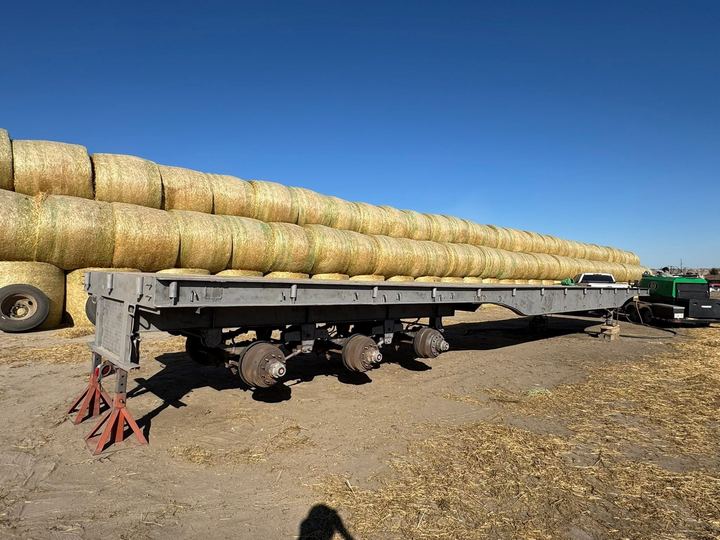
Does repainting equipment actually change what it sells for?
A blunt look at when refurbishment pays back at sale and when you are spending money to feel better about the yard.
Read it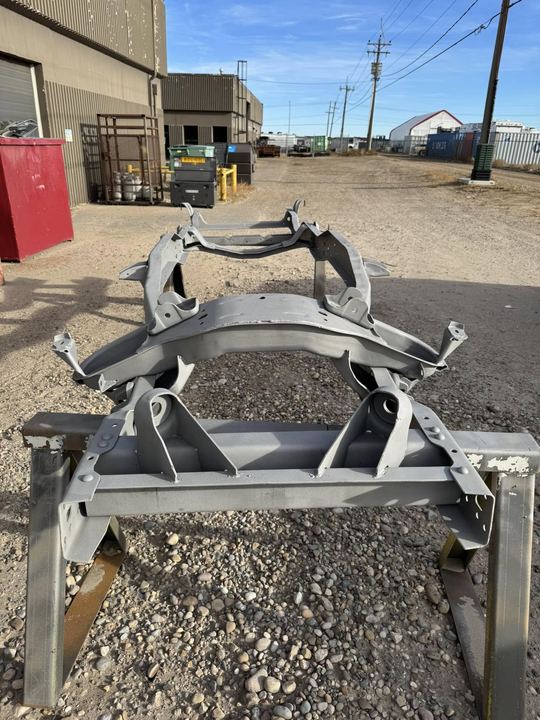
You just got a bare shell back. Now what?
The window between stripping and priming is shorter than most people plan for. A practical checklist for the days after.
Read it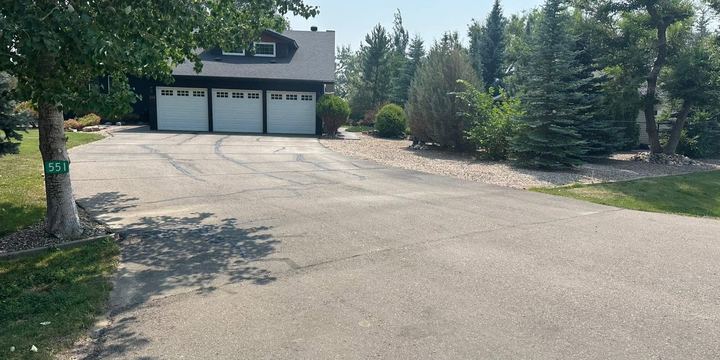
A maintenance schedule for a commercial lot
Lots fail slowly then suddenly. A realistic cycle that keeps a lot out of the replacement conversation.
Read it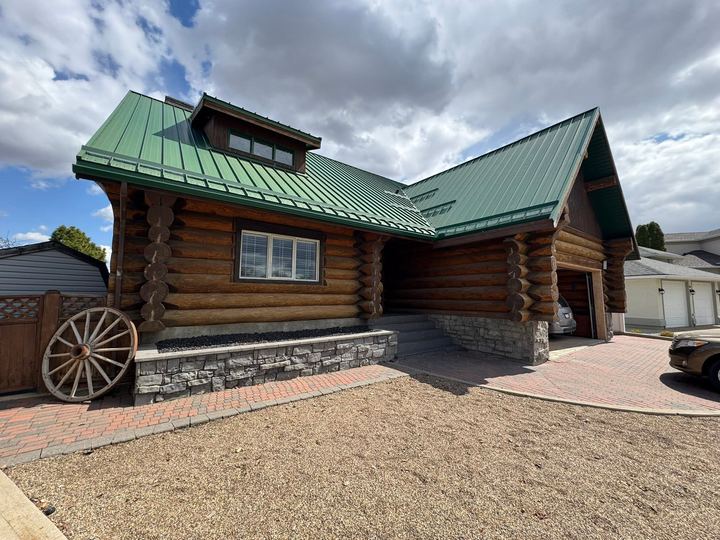
A maintenance calendar for a Cypress Hills cabin
Seasonal cabins get inspected twice a year at best. Here is the short list worth doing each visit, in the order that matters.
Read it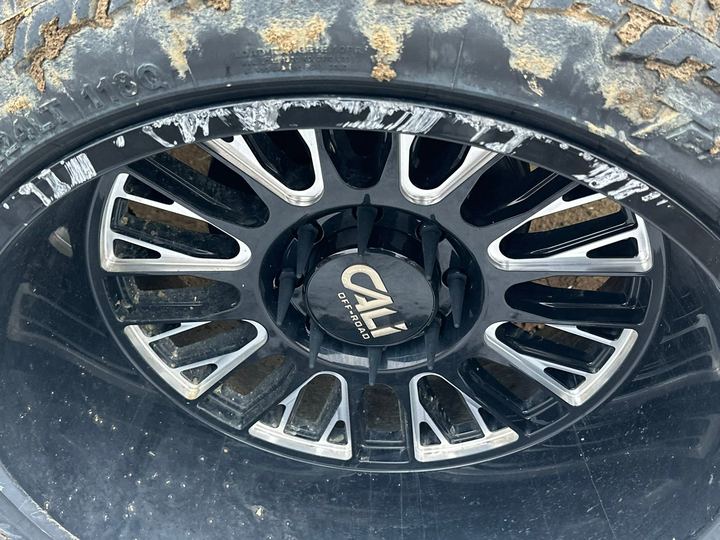
What blasting reveals — and why that is the point
Filler, undercoat and old paint hide a great deal. What commonly appears on a stripped project vehicle and how to think about it.
Read it
Refinishing playground equipment properly
Flaking paint on equipment children use is not a cosmetic issue. What proper preparation looks like on public play structures.
Read it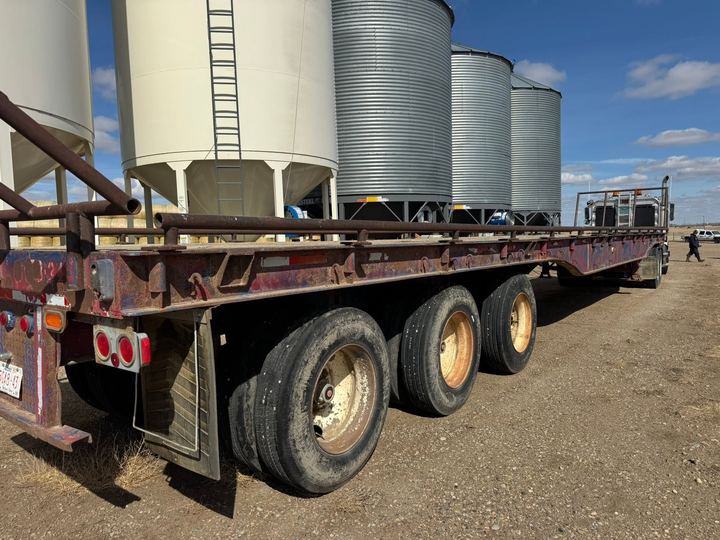
Blasting vs pressure washing farm equipment
They solve different problems and people routinely buy the wrong one. A straight comparison of what each actually removes.
Read it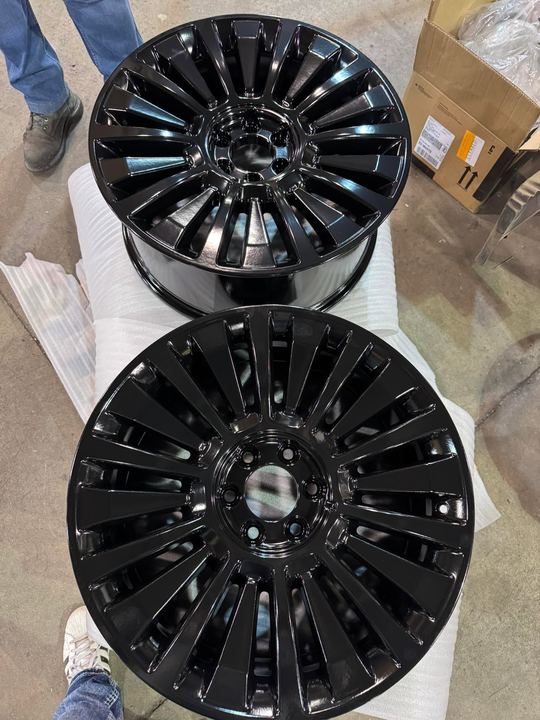
Aluminium, fibreglass and the substrates that need a lighter hand
Not everything on a vehicle is steel. How each of the common non-steel substrates behaves and where we draw the line.
Read it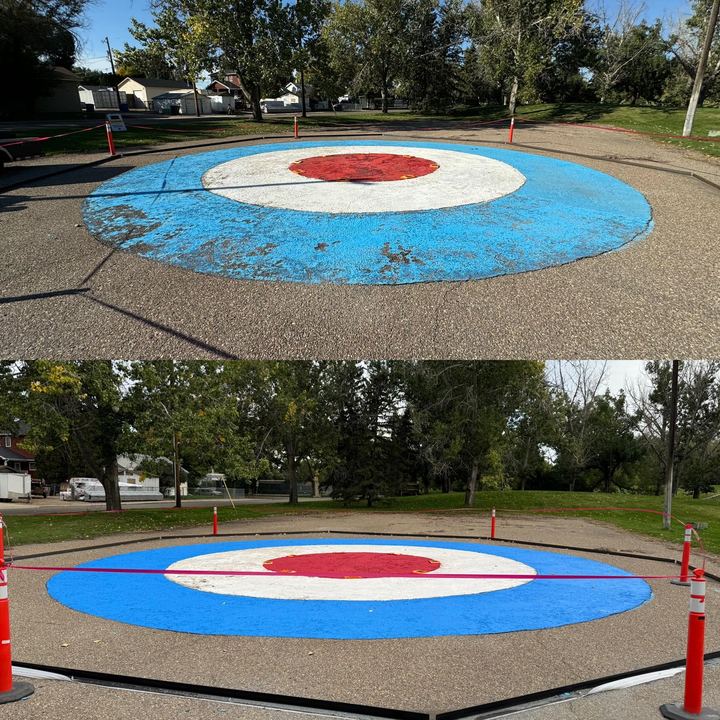
Rink boards, benches and the rest of the park inventory
Community assets that get refinished when someone finally complains. A practical view of what is worth cycling and when.
Read it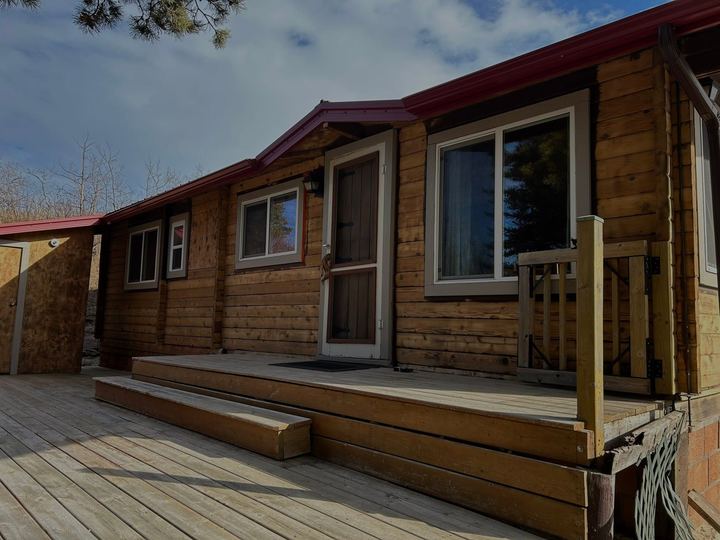
Crushed glass, walnut shell or soda: choosing media for wood
The media decides whether you get clean timber or a corrugated, furry surface that will not take stain evenly. Here is how each behaves.
Read it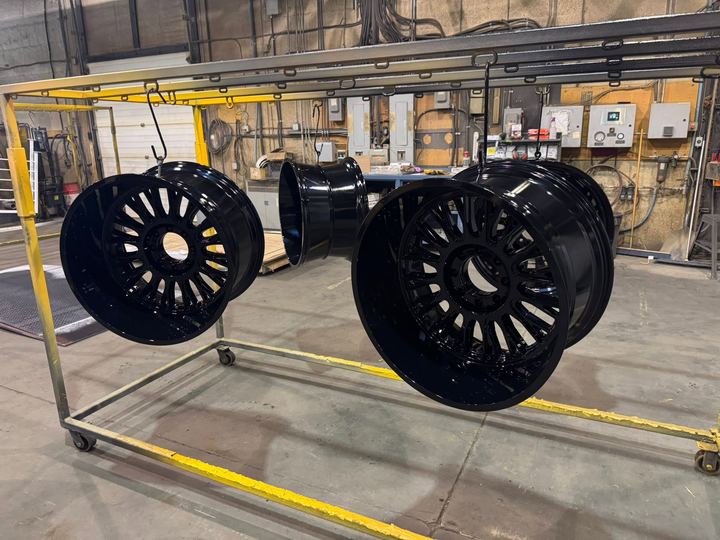
Getting a vintage truck ready for paint
A practical sequence for an older truck project, from what to pull off first to how to hand it to the painter.
Read it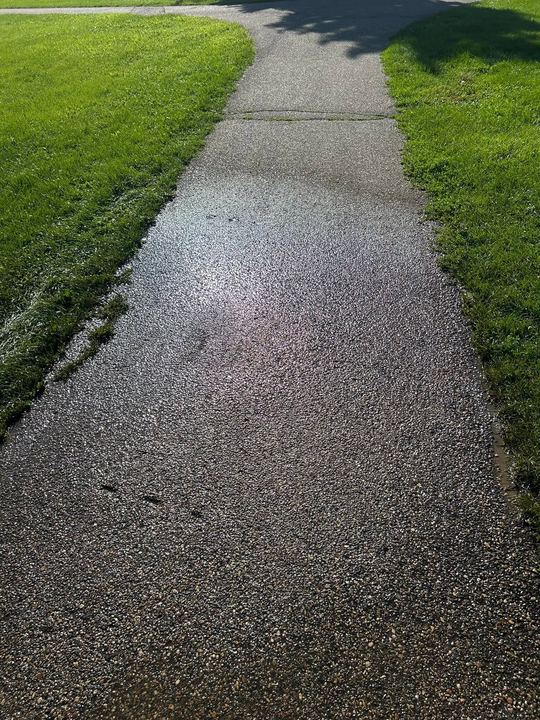
Why removing graffiti fast costs less than removing it well
Fresh paint comes off easily and tagged surfaces attract more tags. Two reasons speed beats everything else here.
Read it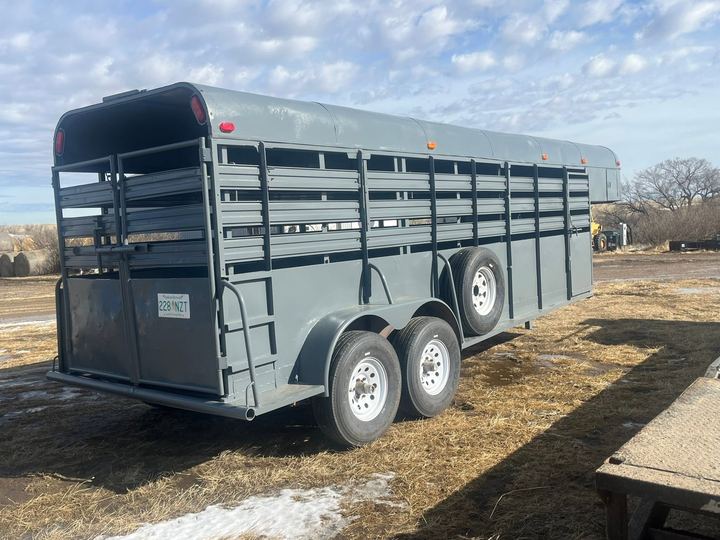
Preparing implements for winter storage
Most corrosion on farm equipment happens sitting still. A short list of what to do before it parks for six months.
Read it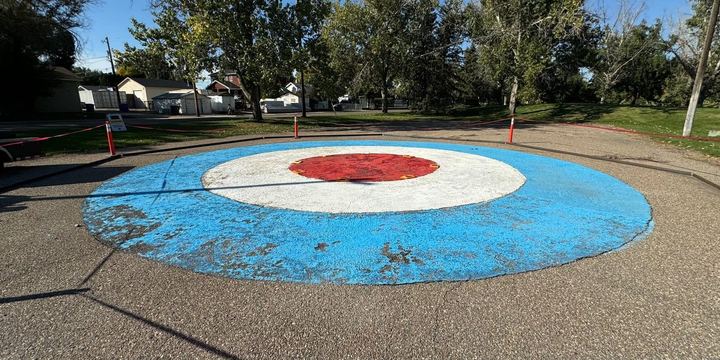
Planning grounds work around a school year
The window is short and everyone wants it. How to get school and community grounds work scheduled without a scramble.
Read it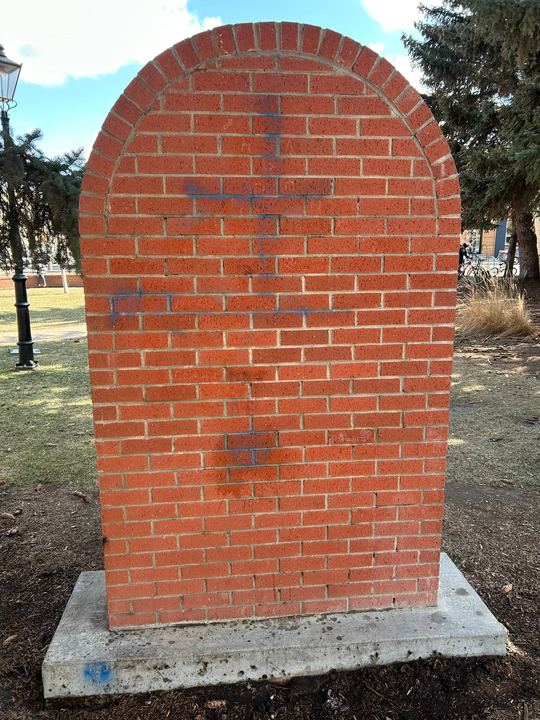
Graffiti removal changes completely with the surface
Brick, concrete, painted steel, glass and timber all need different approaches. What is realistic on each.
Read it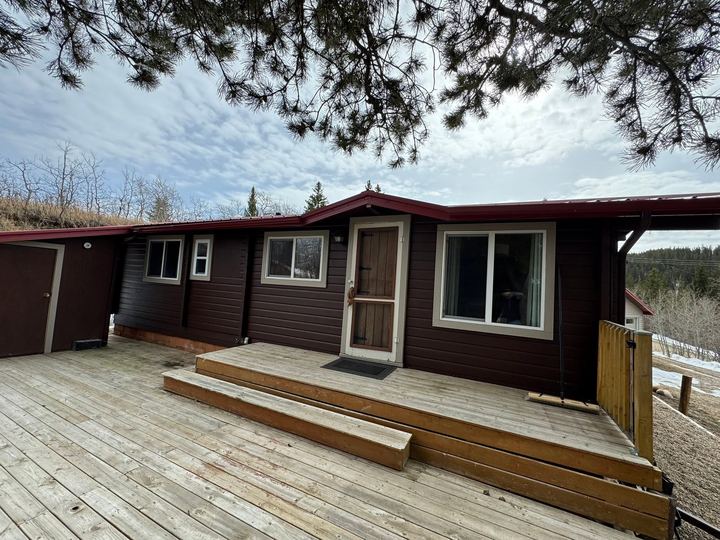
Can you blast a log home in winter?
Dry blasting can run in the cold. What stops the job is not the blasting — it is everything that has to happen afterwards.
Read it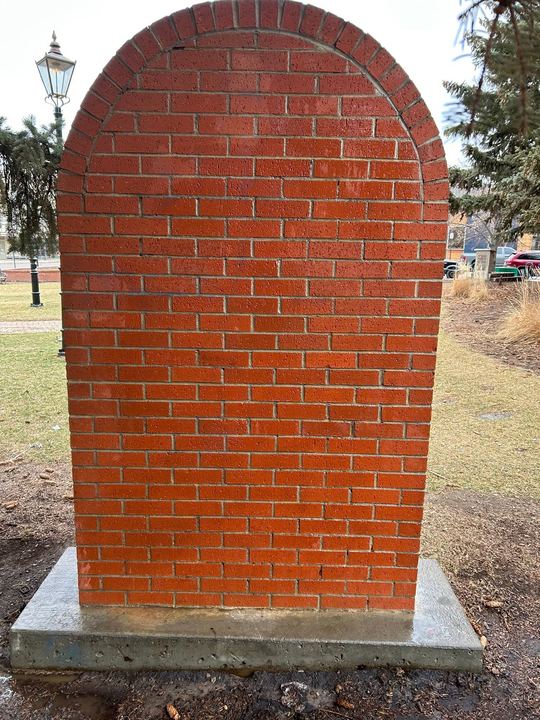
Anti-graffiti coatings: worth it, or worth the money elsewhere?
Sacrificial and permanent barrier coatings both have a case. Where they pay for themselves and where they are an expensive way to change nothing.
Read it
What "silica-free media" actually means, and why it matters
Crystalline silica is a classified carcinogen. What traditional sandblasting releases, what we use instead, and why it changes where we can work.
Read it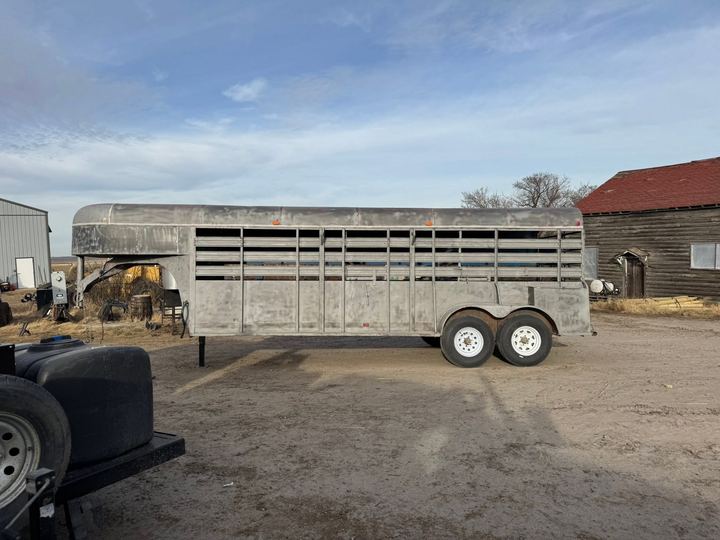
Livestock trailers, cleaning and why bare steel matters
Corroded, pitted steel is very hard to clean properly. The link between surface condition and being able to disinfect a trailer at all.
Read it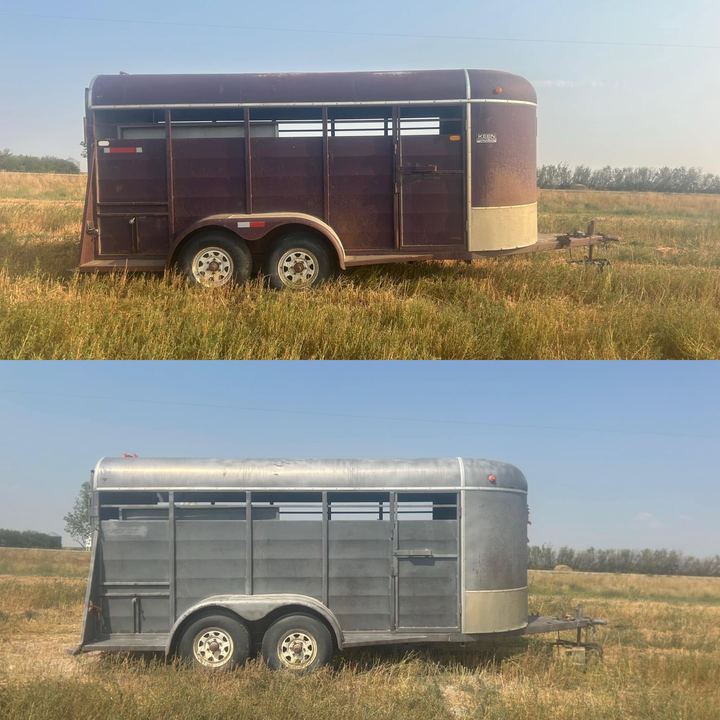
What to have ready before we arrive
A short list that shortens the job and lowers the bill. Most of it takes an afternoon.
Read it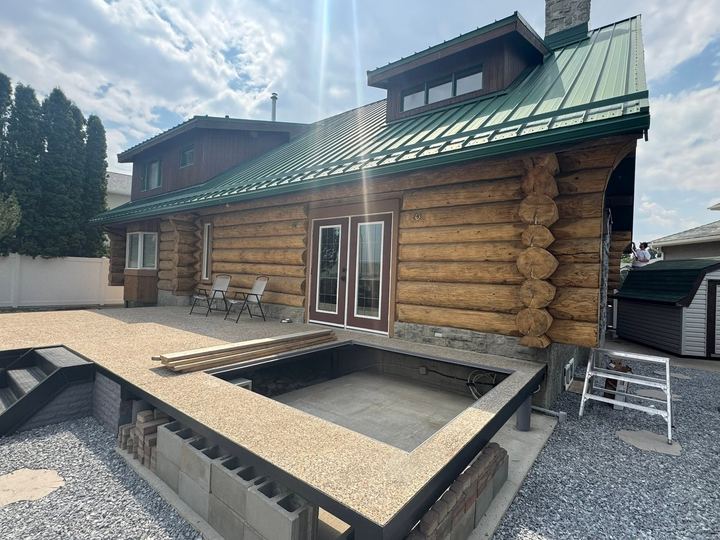
Does your log home need a wash or a strip?
A wash is a fraction of the cost. Here is the test that tells you which one you actually need, before you spend on the wrong one.
Read it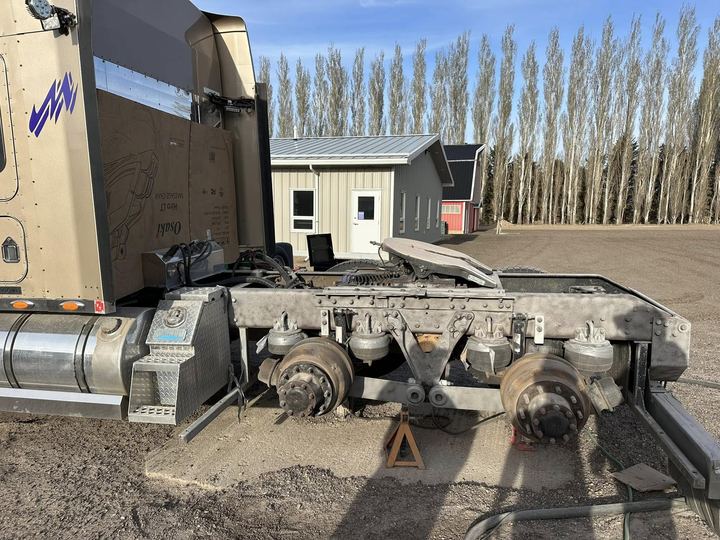
How to send a photo that gets you an accurate number
Most jobs can be quoted from pictures. Four shots and three facts is usually all it takes.
Read it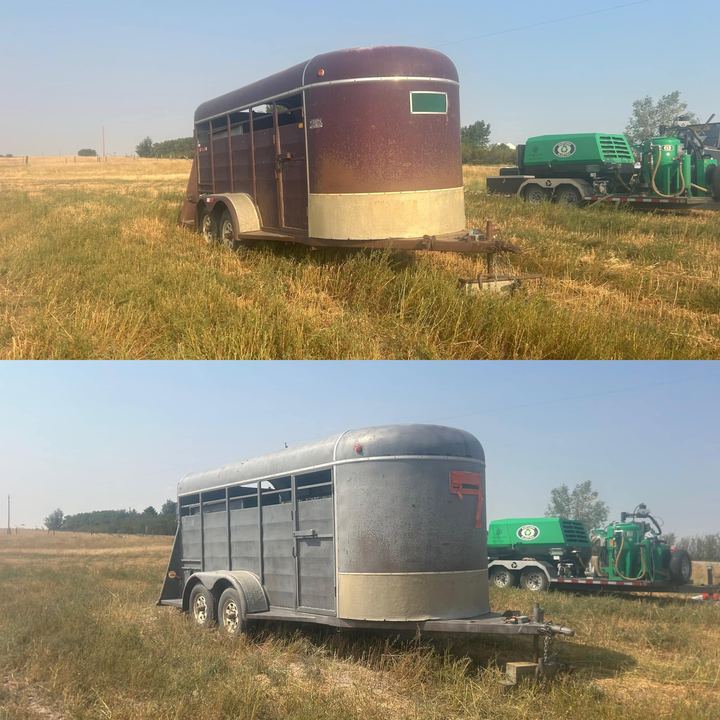
Hay trailer decks: steel, wood, and preparing each
Mixed-material decks are common and they need two different approaches on the same trailer. What that means for the job.
Read it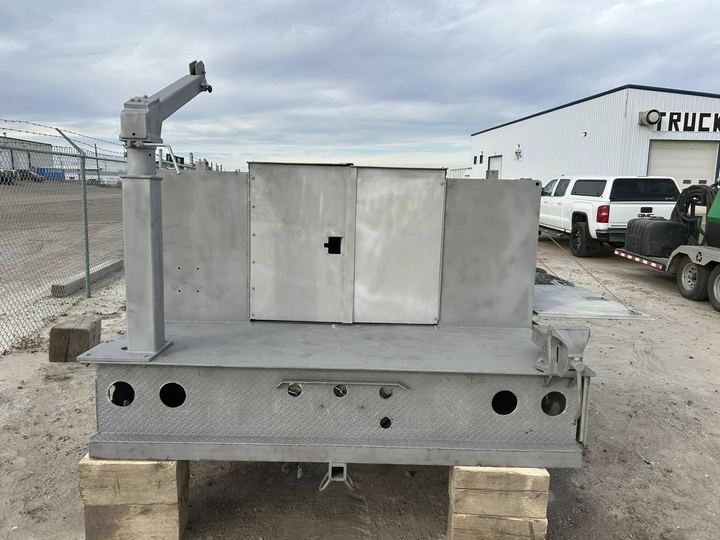
The blasting season here, and how to book around it
Weather sets our calendar more than demand does. What can be done when, and when to call for each kind of work.
Read itGot a job you are unsure about?
Text a photo to 403-702-4435. If blasting is the wrong answer we will say so.
Fastest way to a number: text a photo of what needs blasting to 403-702-4435.