

Getting a vintage truck ready for paint
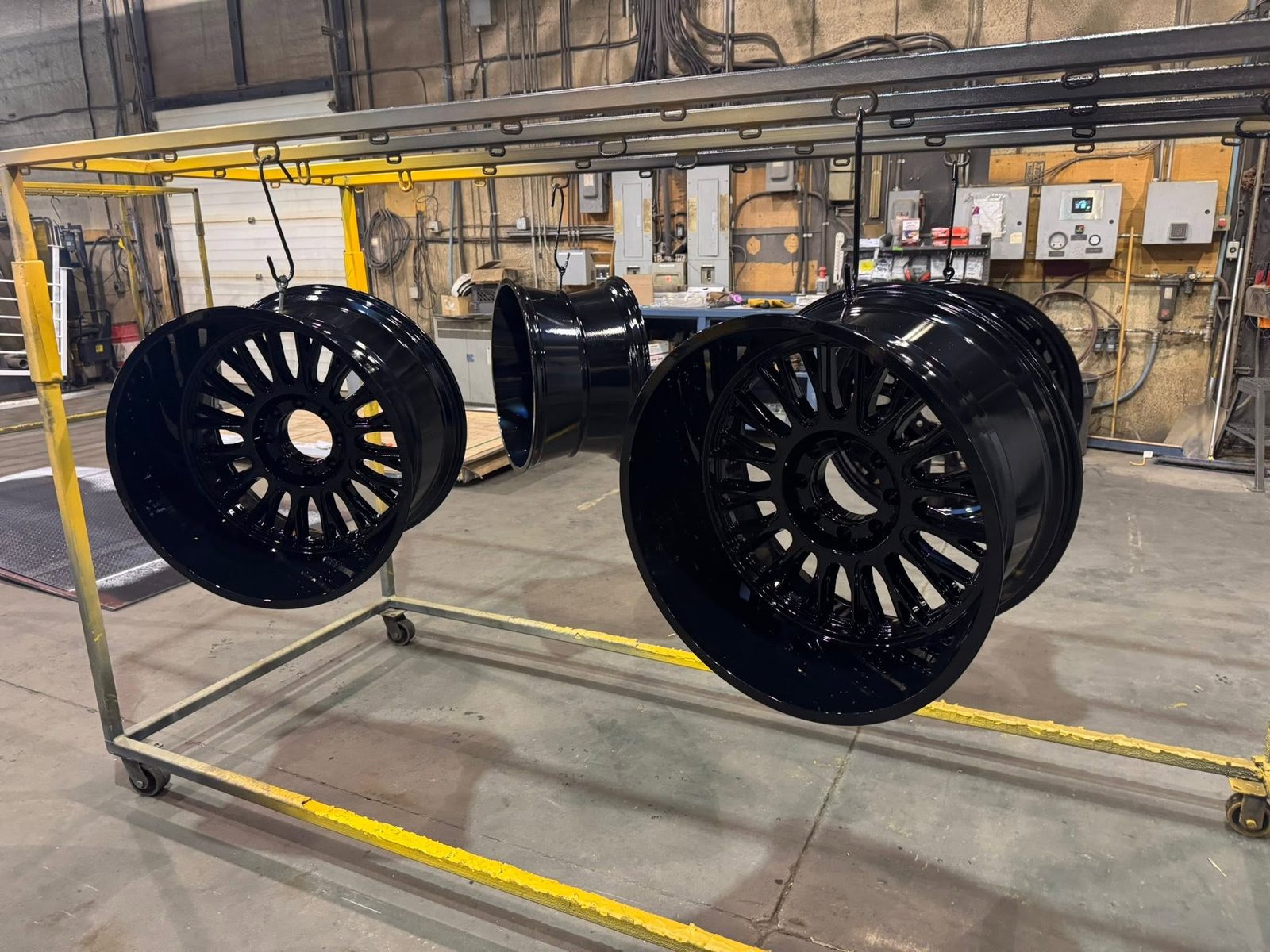
Older trucks are the most common thing through our shop after farm equipment. They also tend to be owner-driven projects with a long timeline, which changes the sequencing.
Before it comes to us
- Degrease everything. Decades of oil and undercoat on a frame will otherwise be driven into the profile.
- Pull the glass, seals and trim. Media will find any gap and it does not come back out.
- Decide about the interior. Blasting an assembled cab means media inside it permanently.
- Bag or remove anything with a bearing or machined surface.
A workable order
Frame and running gear first, dry, coated straight away. Cab and panels second, wet, timed to your primer. Small parts batched. That way nothing sits bare waiting for the next stage.
Handing it to the painter
Talk to whoever is painting it before we start. Some want bare metal to prime themselves. Some want it in epoxy already. Getting that wrong means sanding off work you paid for.
A lot of the trucks stored on farms around Irvine, Walsh and Seven Persons have sound sheet metal under bad paint, precisely because the air out there is dry. Blasting is how you find out which you have.
Talk it through with Matt.
Call 403-702-4435 or text a photo of the job for a straight answer.
Fastest way to a number: text a photo of what needs blasting to 403-702-4435.
Keep reading.
Wet vs dry blasting on body panels
Friction heat is what warps sheet metal. Why water in the stream is not a preference on thin panels — it is the whole reason the job works.
Read it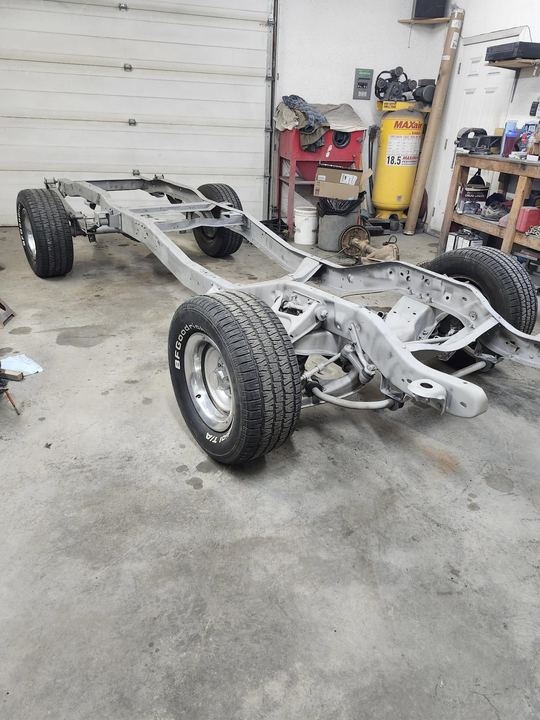
Blasting for a frame-off restoration
What to strip, what order to do it in, and the mistakes that cost people a second round of preparation.
Read it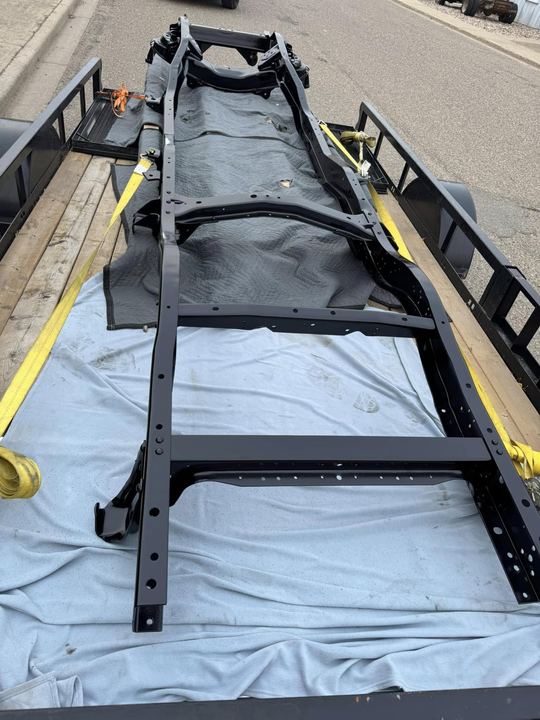
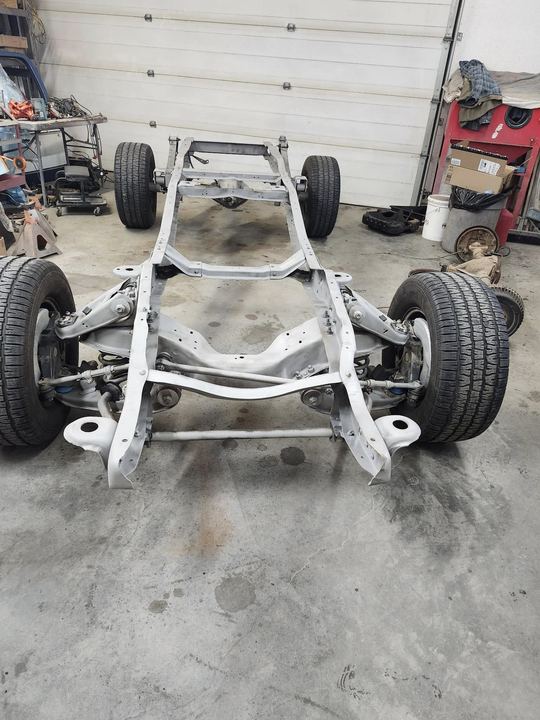
Wheels: stripping alloys properly before refinishing
Brake dust, curb rash and failed clear coat. What comes off, what to watch on alloy, and why the prep decides the finish.
Read it