

Wet vs dry blasting on body panels
On heavy steel the wet-or-dry decision is about dust. On body panels it is about whether your fender comes back flat.
What heat does to thin steel
Dry blasting builds friction heat fast. Sheet metal expands where it is hot, the surrounding metal does not, and the panel stretches. Once it has oil-canned — that shallow waviness you can see down a reflection — it does not go back without bodywork.
The thinner the panel and the flatter the surface, the worse it is. Door skins, roofs and quarter panels are the classic casualties.
How water changes it
Water carries heat away as the media cuts. The panel stays close to ambient, so it stays the shape it was. You get rust, paint, filler and primer off without the distortion.
Dry blasting a quarter panel is how a restoration turns into a bodywork bill.
Where dry is still right
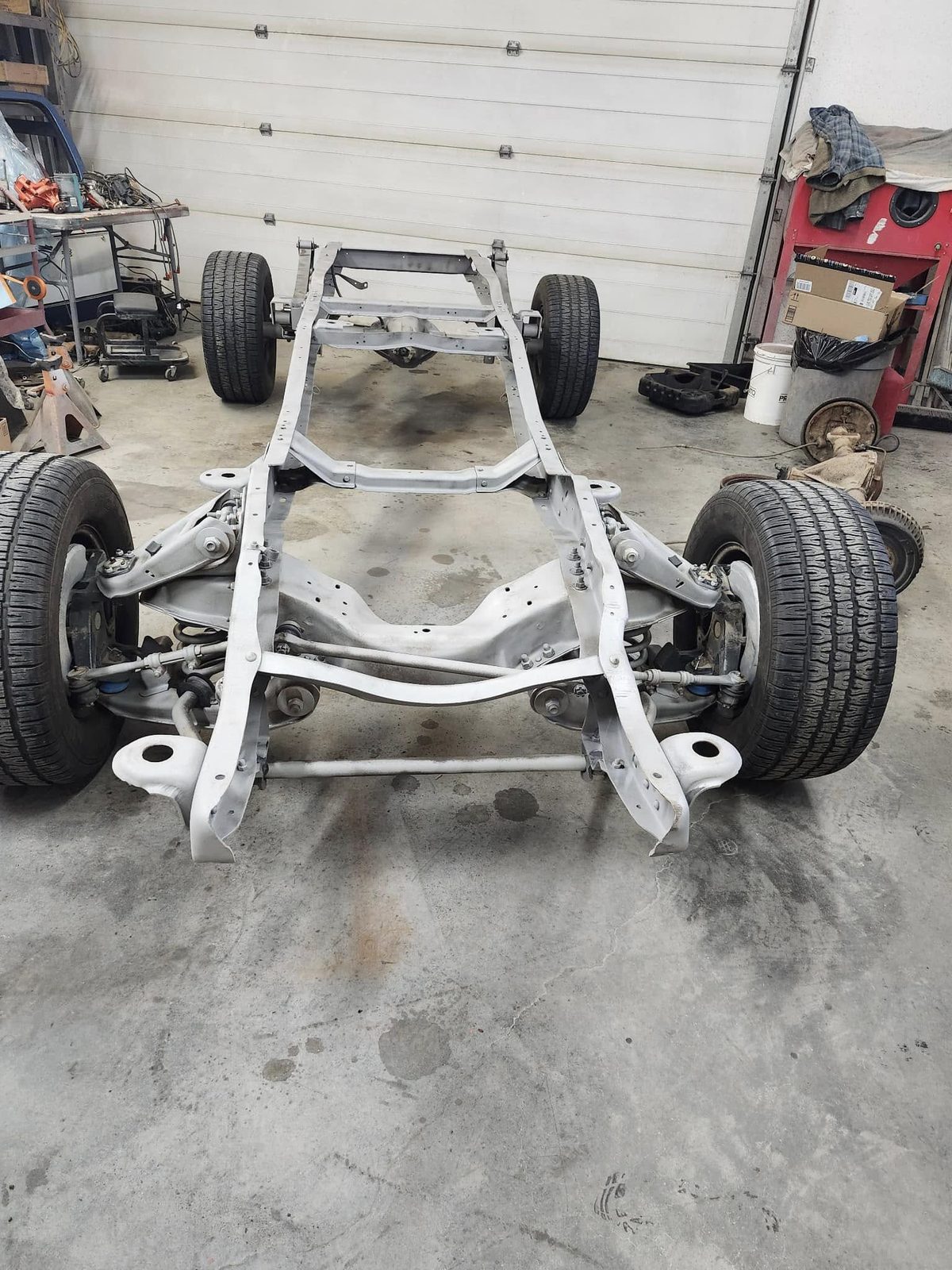
Frames, chassis, suspension components, brackets, axles — anything with enough mass to absorb the heat. Dry is faster and cuts harder, and on heavy sections there is no downside.
The switch matters
A hybrid setup changes between the two in minutes. That means one visit can do the frame dry and the panels wet, rather than compromising on both.
Most of the restoration work around Medicine Hat and Redcliff arrives as thin, old sheet metal, and that is exactly the substrate where the wet side of the system earns its keep by keeping the panel cool.
Talk it through with Matt.
Call 403-702-4435 or text a photo of the job for a straight answer.
Fastest way to a number: text a photo of what needs blasting to 403-702-4435.
Keep reading.
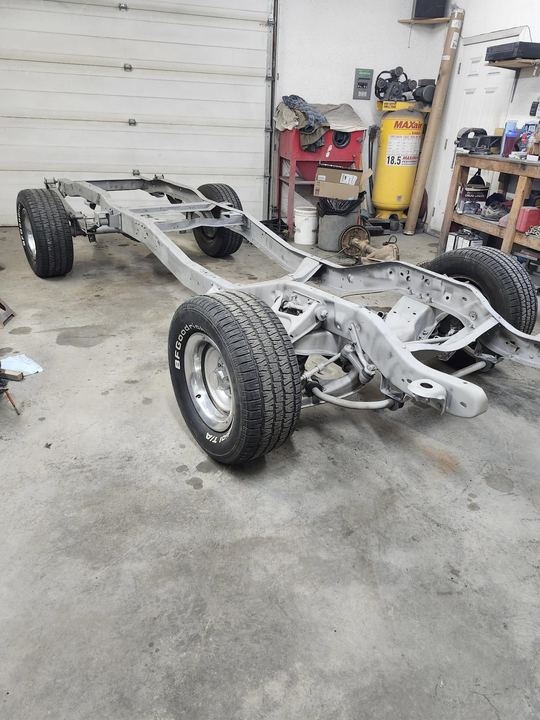
Blasting for a frame-off restoration
What to strip, what order to do it in, and the mistakes that cost people a second round of preparation.
Read it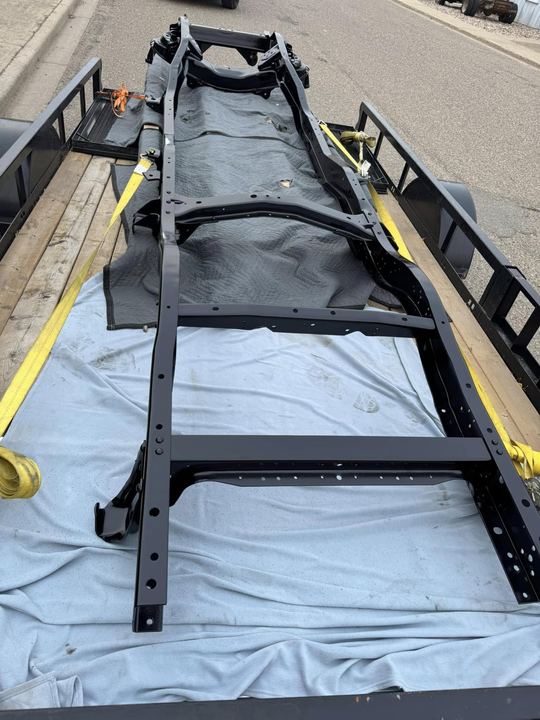
Wheels: stripping alloys properly before refinishing
Brake dust, curb rash and failed clear coat. What comes off, what to watch on alloy, and why the prep decides the finish.
Read it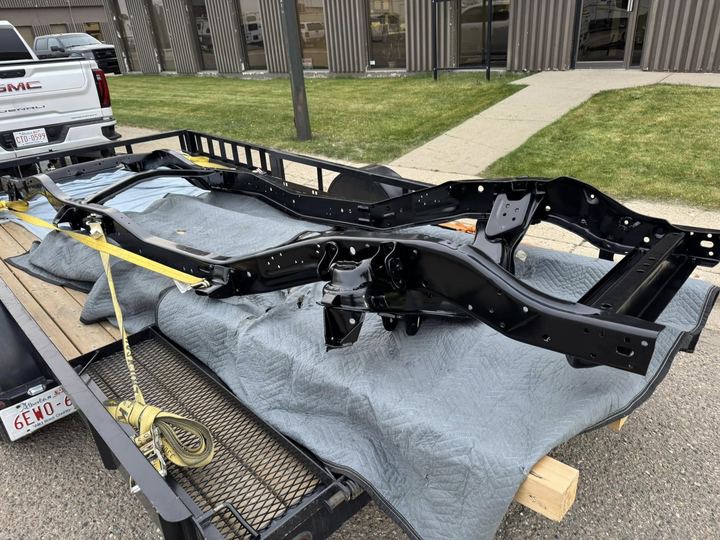
Media blasting vs chemical dipping a shell
Dipping reaches everywhere. Blasting leaves a profile. A straight comparison of the trade-offs on a full body shell.
Read it