

Media blasting vs chemical dipping a shell
For a complete shell, these are the two serious options and they fail in opposite directions.
Chemical dipping
Strengths: it reaches every cavity, box section and seam — places no nozzle can see. It removes everything including seam sealer and old filler, and there is no risk of heat distortion.
Weaknesses: the shell must be completely stripped of everything that cannot go in the tank. Trapped chemical in seams can bleed out later and attack fresh paint if rinsing is not thorough. It leaves a smooth surface with no profile, so priming is time-critical. And there may not be a facility within a reasonable haul.
Media blasting
Strengths: leaves a proper anchor profile for primer. It is selective — you can strip a quarter panel without touching an interior. It is available locally and it can be done in stages.
Weaknesses: it only reaches what the nozzle can see. Box sections and enclosed cavities are not addressed. On thin panels it needs wet blasting and a careful hand.
Dipping is thorough. Blasting is controlled. Which matters more depends on how bad the cavities are.
The hybrid answer
Plenty of serious builds dip the shell for the cavities, then media blast the exterior surfaces afterwards to restore a profile for primer.
There is no dipping facility in Medicine Hat, so the real comparison for anyone here is media blasting locally against trucking a shell to Calgary or Lethbridge and back. Freight usually decides it.
Talk it through with Matt.
Call 403-702-4435 or text a photo of the job for a straight answer.
Fastest way to a number: text a photo of what needs blasting to 403-702-4435.
Keep reading.
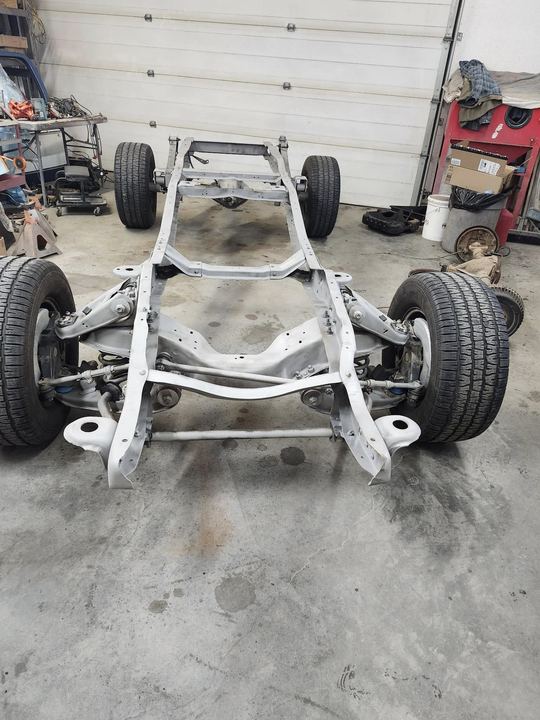
Wet vs dry blasting on body panels
Friction heat is what warps sheet metal. Why water in the stream is not a preference on thin panels — it is the whole reason the job works.
Read it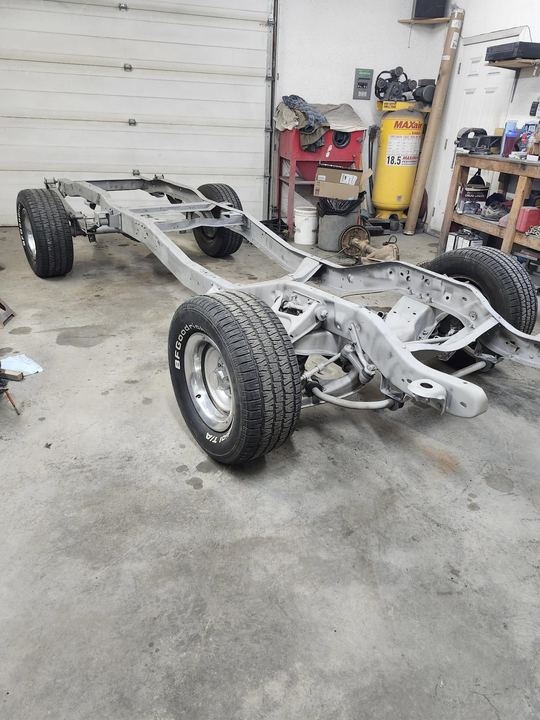
Blasting for a frame-off restoration
What to strip, what order to do it in, and the mistakes that cost people a second round of preparation.
Read it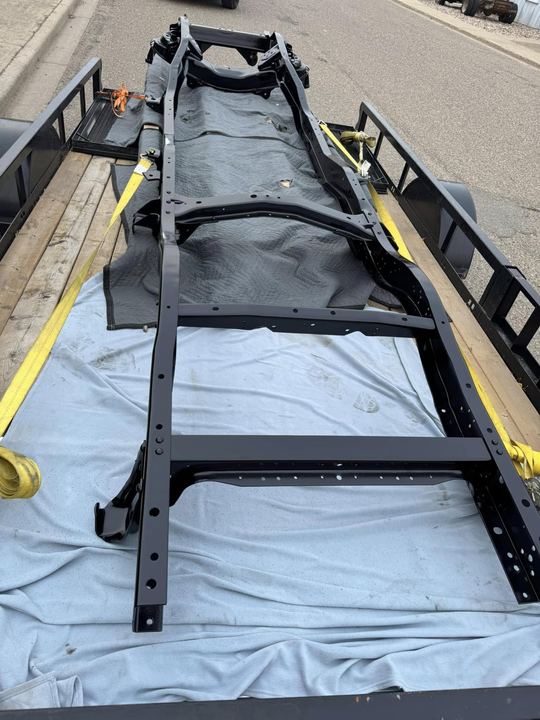
Wheels: stripping alloys properly before refinishing
Brake dust, curb rash and failed clear coat. What comes off, what to watch on alloy, and why the prep decides the finish.
Read it