


Running a roll-off bin fleet through refurbishment
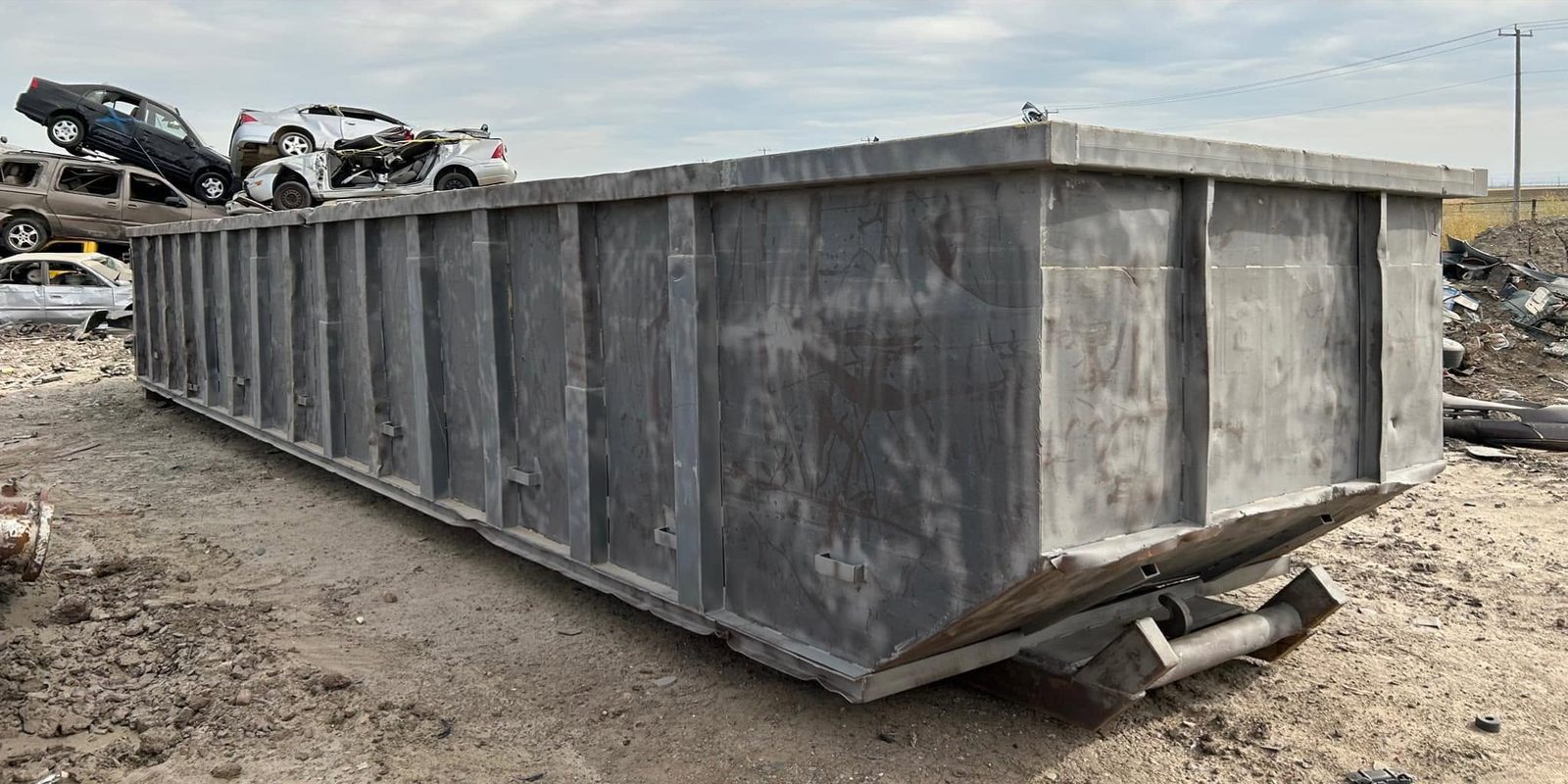
Waste bins take more abuse than almost anything we work on. Loaded with rubble, dragged on concrete, left outdoors permanently, and repainted only when they look embarrassing.
Why they corrode where they do
- Floor and lower walls, where material sits and holds moisture.
- Rails and rollers, where coating is mechanically scraped off every time it is loaded.
- Weld lines and seams, always the first galvanic weak point.
- Door frames and hinge points.
Cycling rather than shutting down
Nobody can take a fleet off the road. The workable approach is a rolling programme — a set number of bins per month, scheduled around your slowest period, so capacity never drops enough to matter.
It also flattens the cost. A fleet refurbishment as one project is a capital conversation. The same work at three or four units a month is maintenance.
What to expect
Blasting will find holes. On a bin that has been in service a decade, that is not a surprise and it is not a failure of the process — it is the information you need to decide which units are worth coating and which are worth scrapping.
Bin fleets working Medicine Hat, Redcliff and Dunmore cycle hard enough that refurbishing on a rota — a few units at a time — keeps the fleet earning instead of taking the whole lot out of service at once.
Talk it through with Matt.
Call 403-702-4435 or text a photo of the job for a straight answer.
Fastest way to a number: text a photo of what needs blasting to 403-702-4435.
Keep reading.
Surface profile, explained without the jargon
Anchor pattern, mils, peak-to-valley. What your coating datasheet is actually asking for and why the number matters.
Read it
SP-6, SP-10 and the standards your coating is asking for
Commercial blast, near-white, white metal. What the common cleanliness standards actually require and which one your job needs.
Read it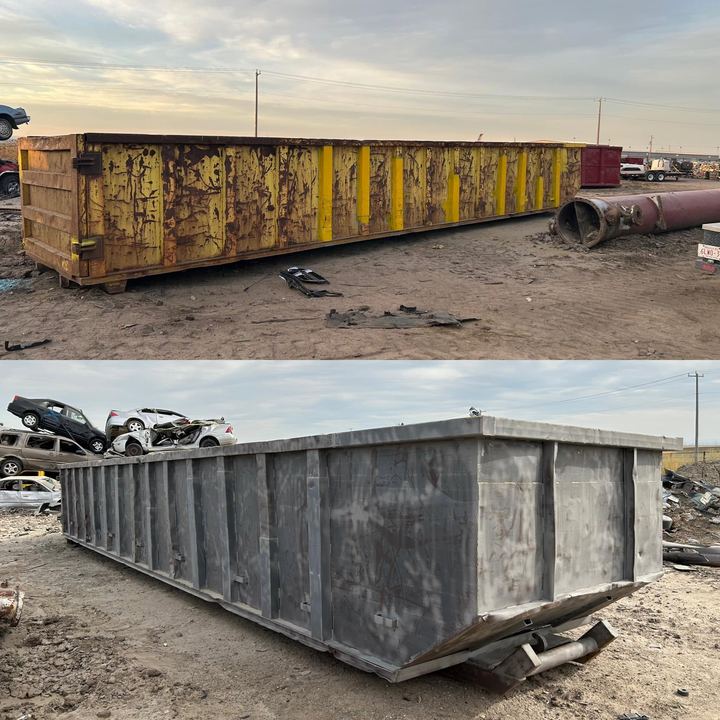
Flash rust: the clock that starts the moment we finish
Bare steel begins oxidising immediately. What flash rust is, what inhibitors do, and how to plan the gap between blast and coat.
Read it