

Flash rust: the clock that starts the moment we finish
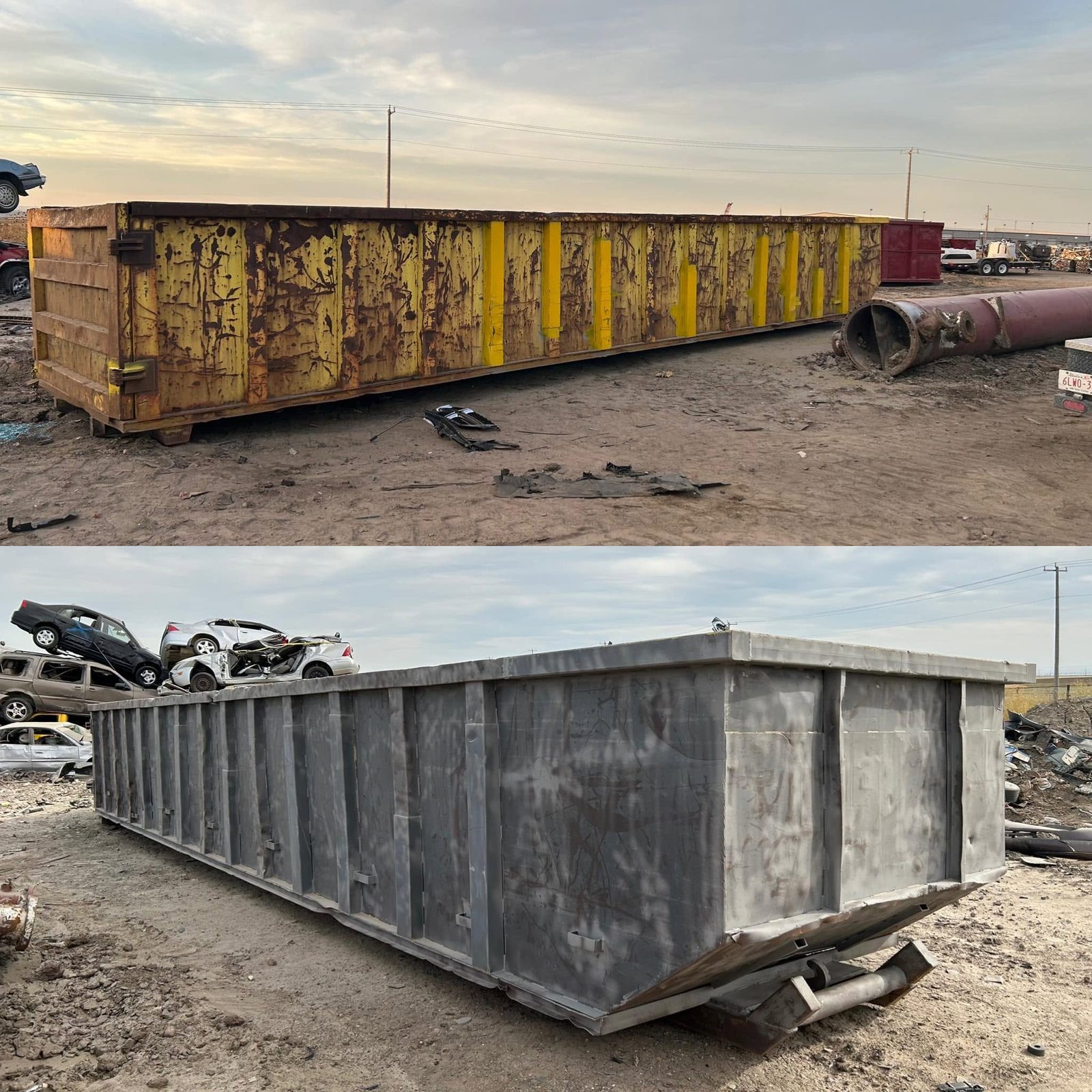
The moment steel is bare it starts oxidising. In humid conditions you can watch it happen — a light orange bloom across a surface that was bright grey twenty minutes ago.
Why wet blasting makes it a bigger issue
Wet blasting has real advantages: dust suppression and heat control chief among them. The trade-off is water on bare steel, which is exactly the condition flash rust needs.
What inhibitors do
We carry a rust inhibitor in the blast water. It leaves a thin protective film that holds the surface for a window — long enough to get a coating on, but not indefinitely. It is a schedule tool, not a permanent treatment.
An inhibitor buys you days, not weeks. Plan the blast around the painter, not the other way round.
Is light flash rust a problem?
It depends entirely on the coating system. Some tolerate a light bloom. Many high-performance systems specify a maximum permitted degree, and some require none at all. That is a datasheet question, and getting it wrong means re-blasting.
Practical sequencing
- Know who is coating and when before we start.
- On multi-day jobs, blast and coat in sections rather than stripping the whole asset first.
- Watch the weather. A humid stretch shortens every window.
The dry air across southeast Alberta buys a little more time than a coastal climate would, but not much, and not on a humid day in the Medicine Hat valley after rain. The clock still starts the moment the surface is bare.
Talk it through with Matt.
Call 403-702-4435 or text a photo of the job for a straight answer.
Fastest way to a number: text a photo of what needs blasting to 403-702-4435.
Keep reading.
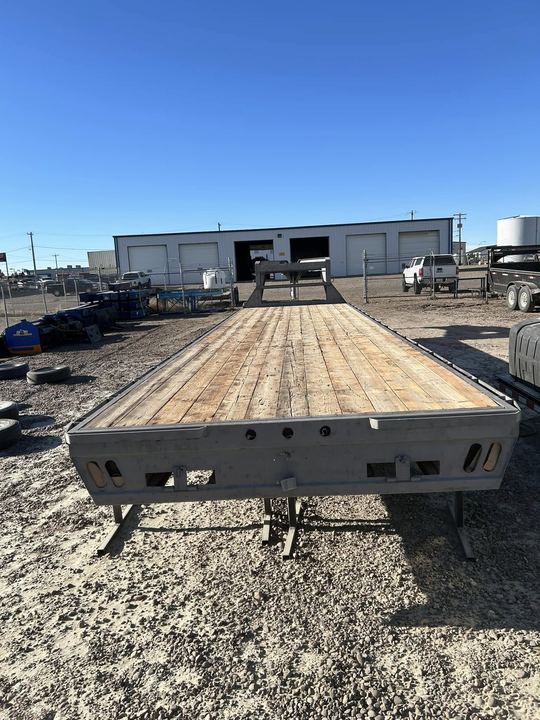
Surface profile, explained without the jargon
Anchor pattern, mils, peak-to-valley. What your coating datasheet is actually asking for and why the number matters.
Read it
SP-6, SP-10 and the standards your coating is asking for
Commercial blast, near-white, white metal. What the common cleanliness standards actually require and which one your job needs.
Read it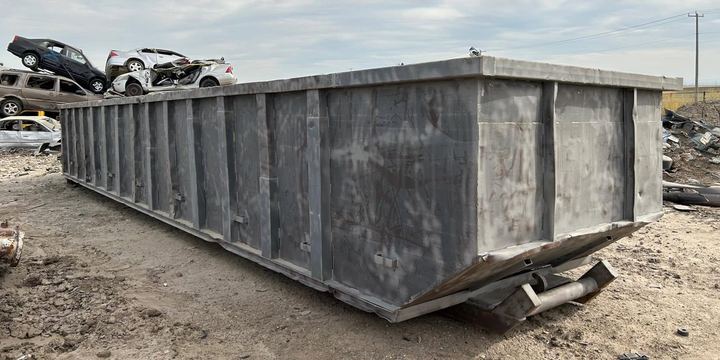
Running a roll-off bin fleet through refurbishment
Bins are the definition of a rolling maintenance problem. How to cycle a fleet through without taking the whole thing off the road.
Read it