



That white powder on your brick is telling you something
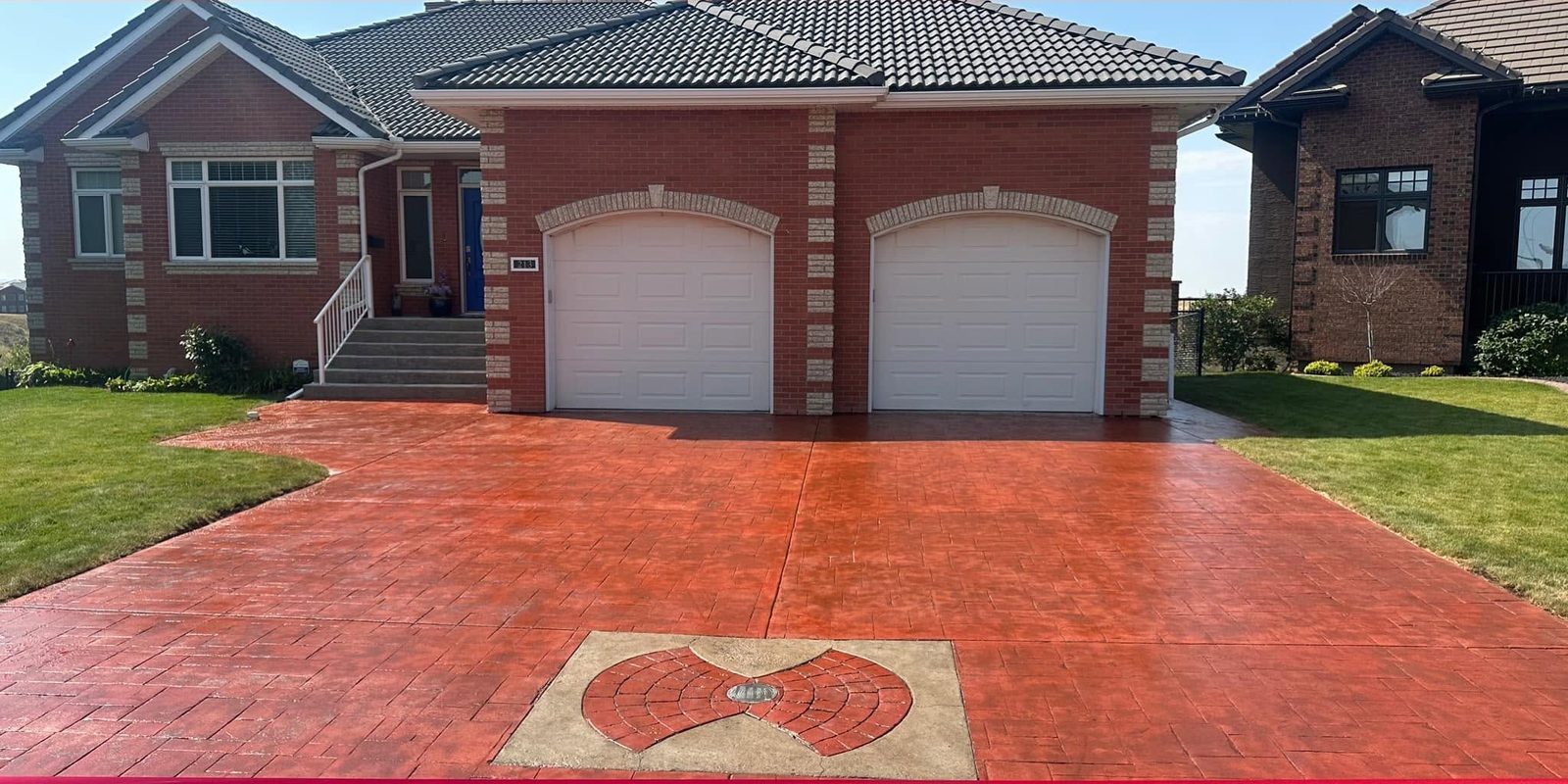
The white crystalline deposit on brick, block and concrete is efflorescence. It is salt, and it arrived on the surface carried by water moving through the masonry.
What it means
Water is getting into the masonry, dissolving soluble salts, and carrying them to the surface where the water evaporates and leaves the salt behind. The deposit is harmless. The water movement is not.
Where the water is coming from
- Failed or missing flashing.
- Ground contact or splash-back at grade.
- Blocked weep holes.
- Downspouts discharging against the wall.
- A recently built wall still drying out — this kind is normal and stops.
Removing it
It cleans off readily. The problem is that if the water path is still there it will be back within a season, and you will have paid to clean a symptom twice.
If the same wall keeps blooming, the answer is not a better cleaning method. It is finding the water.
You see it on the older brick through SE Hill, Riverside and Connaught, where Medicine Hat's own clay brick has been standing long enough for moisture to move through it season after season.
Talk it through with Matt.
Call 403-702-4435 or text a photo of the job for a straight answer.
Fastest way to a number: text a photo of what needs blasting to 403-702-4435.
Keep reading.
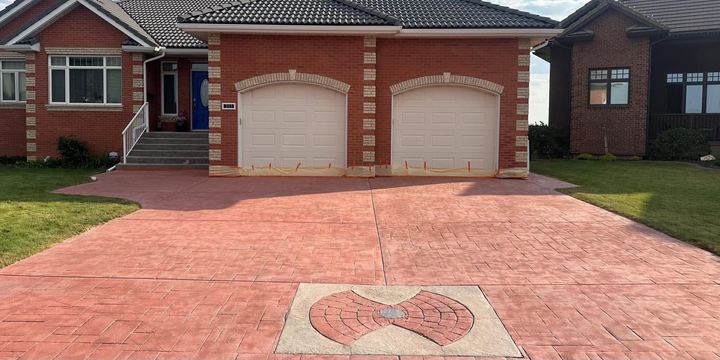
Exposed aggregate: how the finish is actually made
Blasting concrete to expose the stone is a controlled removal, not a clean. What decides how it turns out.
Read it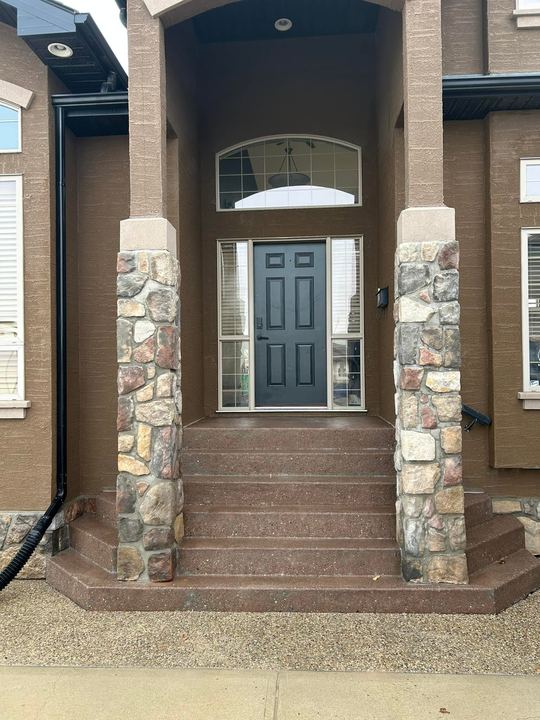
Why your concrete sealer went cloudy, and how it comes off
White blush, peeling and hazing on decorative concrete. What causes each and why recoating over it makes it worse.
Read it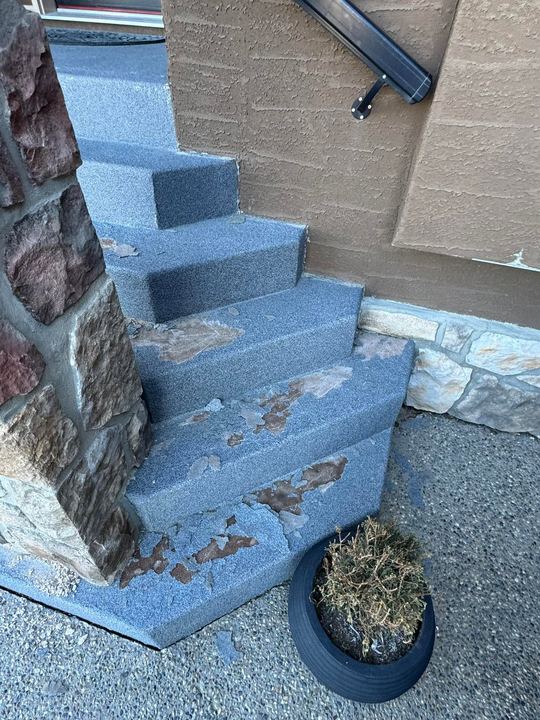
Removing parking lot lines without scarring the asphalt
Reconfiguring a lot means the old layout has to go. Grinding leaves ghosts and gouges — blasting does not have to.
Read it