



Exposed aggregate: how the finish is actually made
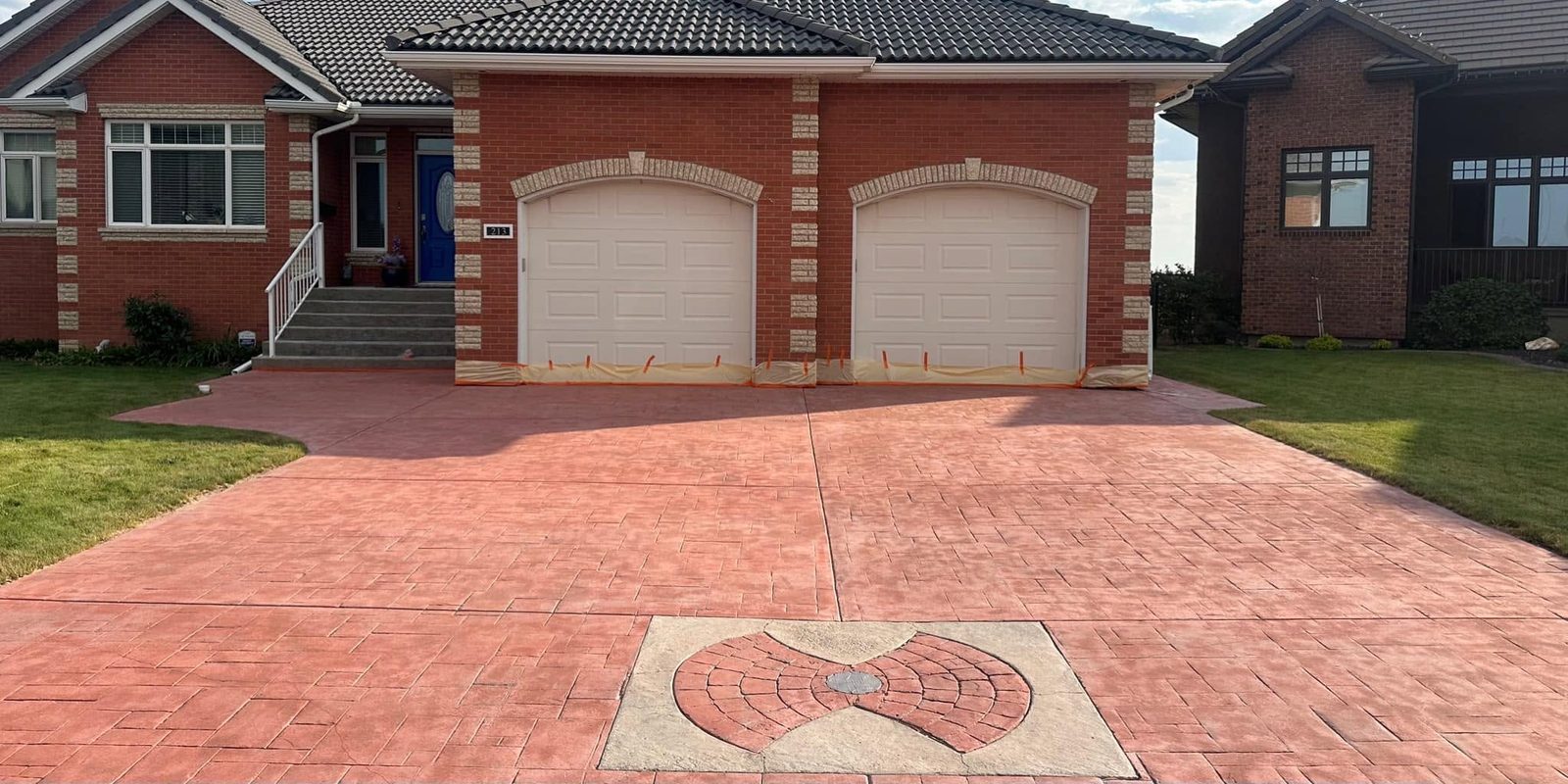
Exposed aggregate is a decorative finish where the cement paste at the surface is removed to reveal the stone in the mix. Blasting is one way to achieve it, and the control you have over depth is the whole skill.
Three depths
- Light etch. Just the surface paste removed. A subtle texture, mostly used for slip resistance.
- Medium exposure. The tops of the aggregate visible. The most common decorative choice.
- Deep exposure. Stone standing proud. Dramatic, but it needs enough cover in the original pour or you undermine the aggregate.
What decides the result
Media, pressure, standoff, and how consistently the operator moves. Uneven technique on a decorative slab shows permanently as banding or blotching, which is why a test area matters more here than almost anywhere else.
The mix matters more than the method
You can only expose the stone that is in the pour. A slab with fine aggregate will never look like one with river rock, however deep you go. On existing concrete, what is in there is what you get.
Common on driveways and walks through Ross Glen, Southridge and Crescent Heights, and it is the finish people most often damage by hiring pressure instead of technique.
Talk it through with Matt.
Call 403-702-4435 or text a photo of the job for a straight answer.
Fastest way to a number: text a photo of what needs blasting to 403-702-4435.
Keep reading.
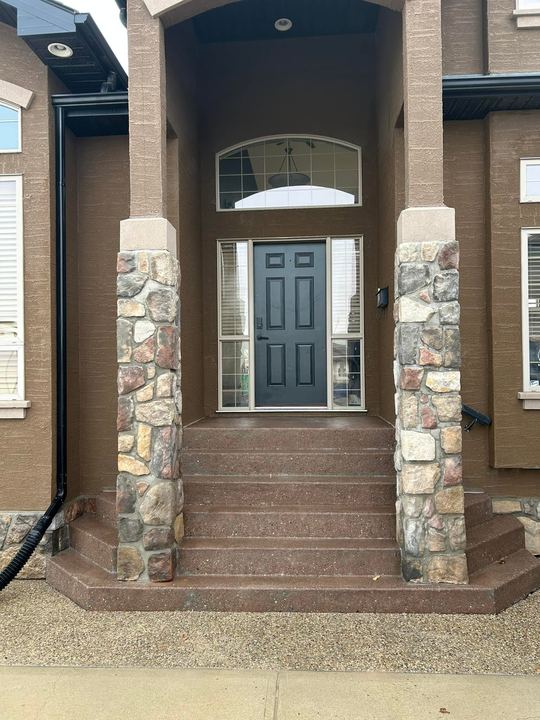
Why your concrete sealer went cloudy, and how it comes off
White blush, peeling and hazing on decorative concrete. What causes each and why recoating over it makes it worse.
Read it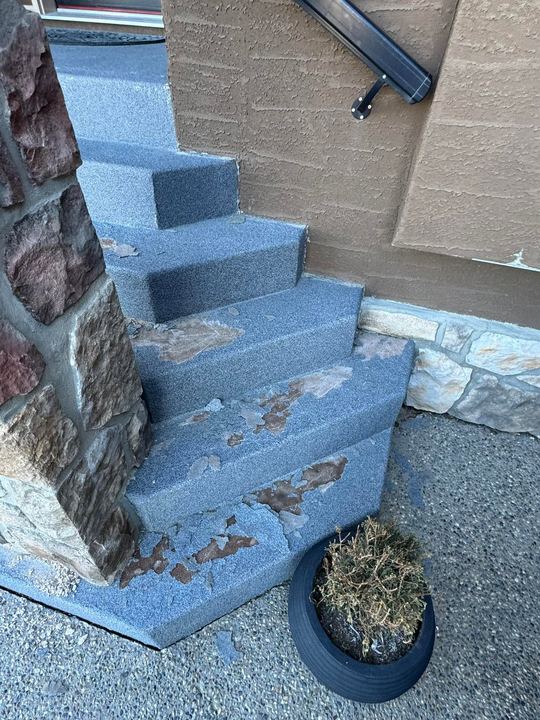
Removing parking lot lines without scarring the asphalt
Reconfiguring a lot means the old layout has to go. Grinding leaves ghosts and gouges — blasting does not have to.
Read it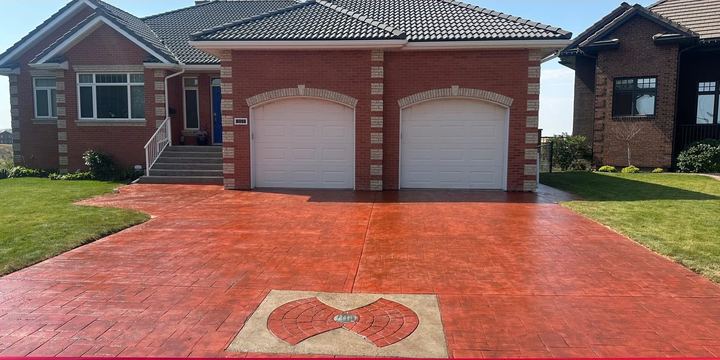
That white powder on your brick is telling you something
Efflorescence is a symptom, not a stain. Cleaning it off without addressing the cause just means it comes back.
Read it