



Why your concrete sealer went cloudy, and how it comes off
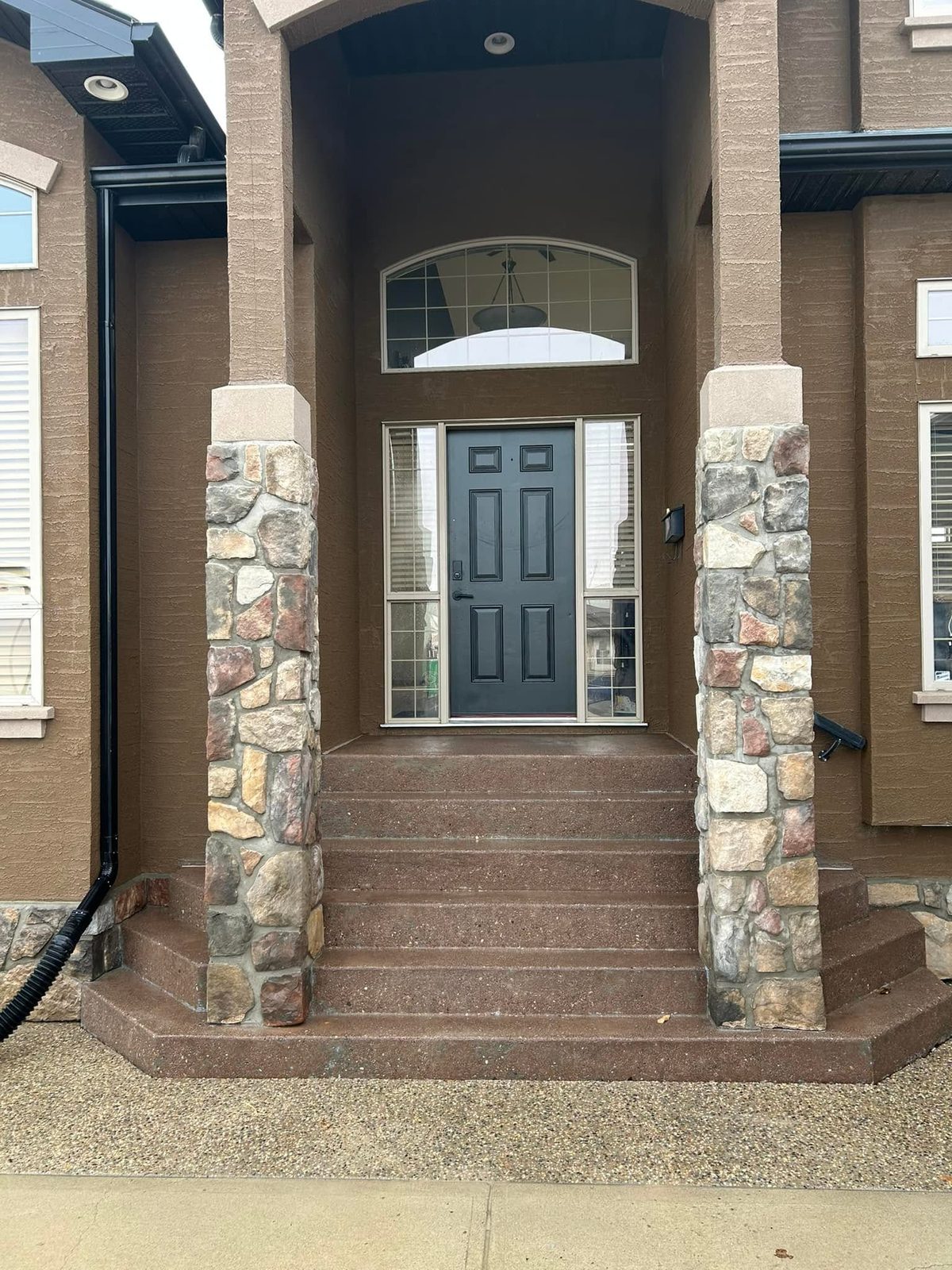
Decorative concrete sealer fails in a few recognisable ways, and all of them get worse if you seal over them.
The three failures
- White blush or hazing. Moisture trapped under a film-forming sealer. The slab was damp when it was sealed, or moisture is coming up through it.
- Peeling and flaking. Sealer applied too thick, or over a contaminated or previously sealed surface it could not bond to.
- Yellowing. UV degradation, common in non-UV-stable solvent products.
Why recoating makes it worse
Every one of those is a bond or moisture problem beneath the surface. Adding another layer on top traps more moisture and adds thickness to something already failing. It looks better for a month.
Stripping it
Blasting removes the failed sealer along with anything contaminating the surface, and it leaves a profile for the new product to key into. On stamped or coloured concrete, pressure control is critical — too aggressive and you take the colour hardener off with the sealer.
On decorative concrete the colour lives in the top few millimetres. There is no second chance at it.
Freeze-thaw around Medicine Hat is hard on sealer. A driveway in Crescent Heights or Southridge goes through the cycle repeatedly each spring, and cloudiness is usually the first visible sign the film is failing.
Talk it through with Matt.
Call 403-702-4435 or text a photo of the job for a straight answer.
Fastest way to a number: text a photo of what needs blasting to 403-702-4435.
Keep reading.
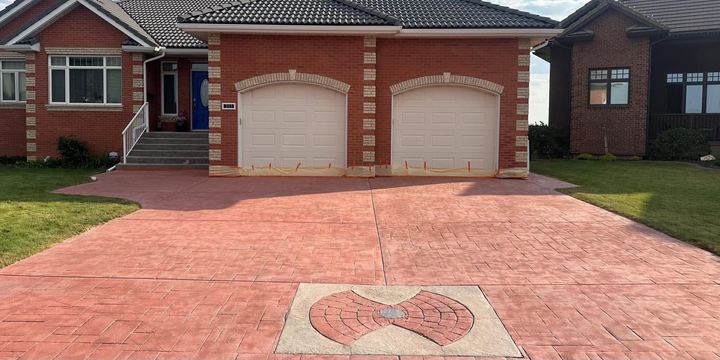
Exposed aggregate: how the finish is actually made
Blasting concrete to expose the stone is a controlled removal, not a clean. What decides how it turns out.
Read it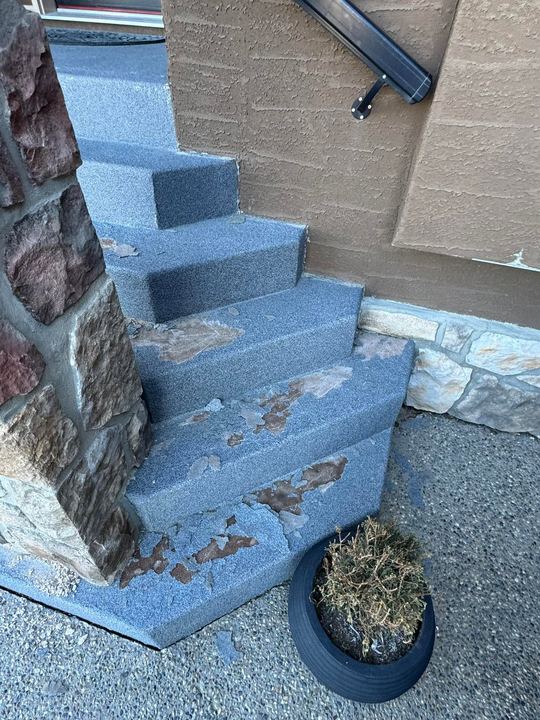
Removing parking lot lines without scarring the asphalt
Reconfiguring a lot means the old layout has to go. Grinding leaves ghosts and gouges — blasting does not have to.
Read it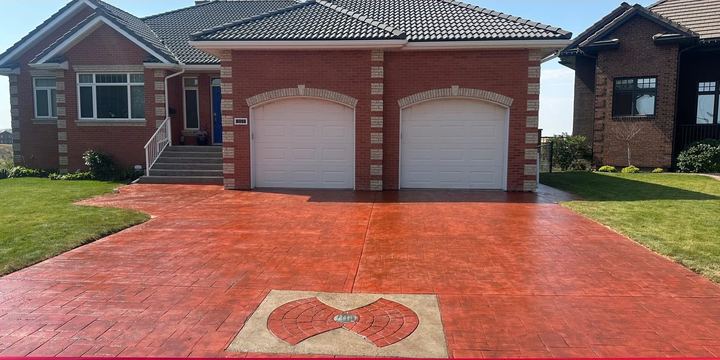
That white powder on your brick is telling you something
Efflorescence is a symptom, not a stain. Cleaning it off without addressing the cause just means it comes back.
Read it