



Anti-graffiti coatings: worth it, or worth the money elsewhere?
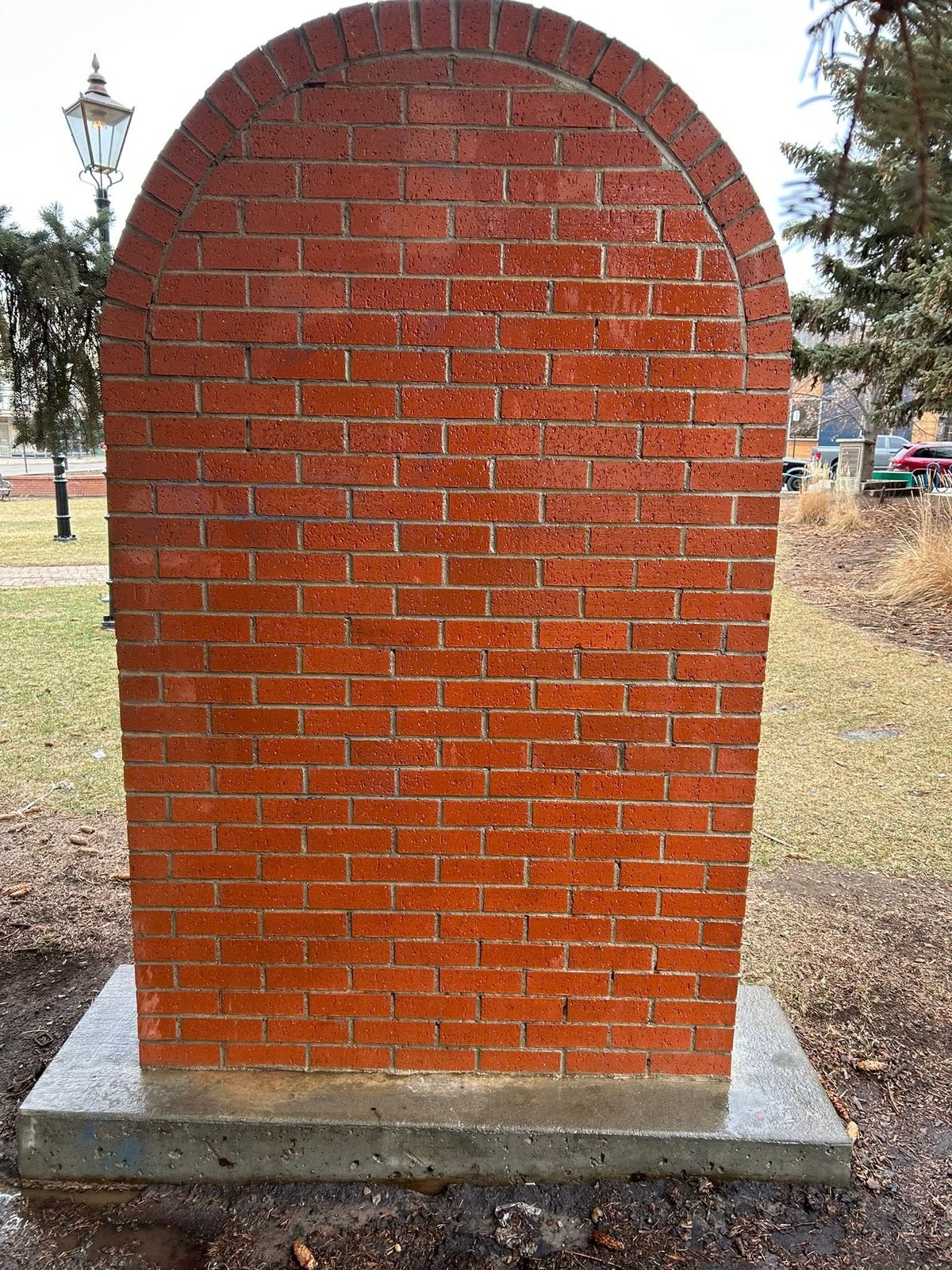
If a wall keeps getting tagged, the obvious question is whether to coat it. The answer depends on which kind of coating and how often it is actually happening.
Two types
Sacrificial coatings are a clear wax-like layer over the substrate. Graffiti sits on the coating rather than the wall, and removal takes the coating off with it. Cheap, breathable, and safe on masonry — but it has to be reapplied after every incident.
Permanent barrier coatings are a durable sealed film. Graffiti wipes off repeatedly without recoating. More expensive, and on masonry the trade-off is breathability — sealing a wall that moves moisture can cause spalling.
When they pay
- Sites hit repeatedly — several times a year, not once ever.
- Surfaces where removal is difficult or risky, like heritage brick.
- High-visibility frontages where the appearance matters daily.
When they do not
- A wall tagged once. Coating the whole building against a single incident is poor value.
- Surfaces that are easy to clean anyway, like smooth painted steel.
- Anywhere the underlying masonry needs to breathe.
Coat the wall that gets hit repeatedly. Clean the one that got hit once.
Worth the money on repeat-hit walls downtown and along the river pathways in Medicine Hat. Harder to justify on a rural building near Dunmore or Seven Persons that has been tagged once in a decade.
Talk it through with Matt.
Call 403-702-4435 or text a photo of the job for a straight answer.
Fastest way to a number: text a photo of what needs blasting to 403-702-4435.
Keep reading.
Why removing graffiti fast costs less than removing it well
Fresh paint comes off easily and tagged surfaces attract more tags. Two reasons speed beats everything else here.
Read it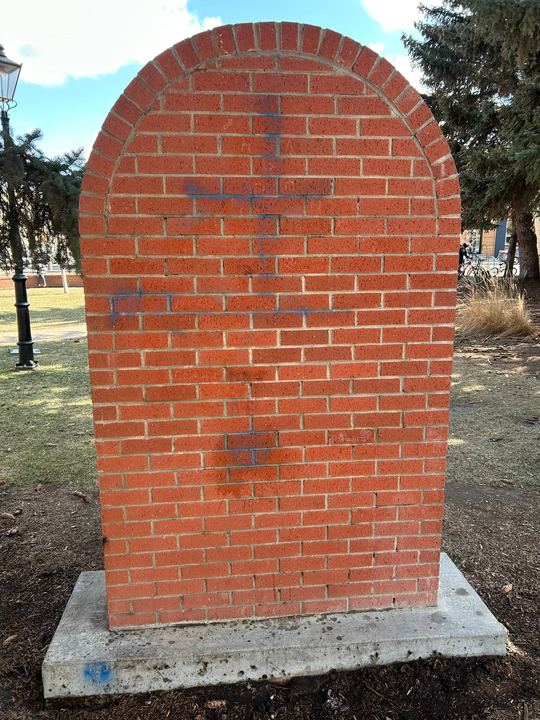
Graffiti removal changes completely with the surface
Brick, concrete, painted steel, glass and timber all need different approaches. What is realistic on each.
Read it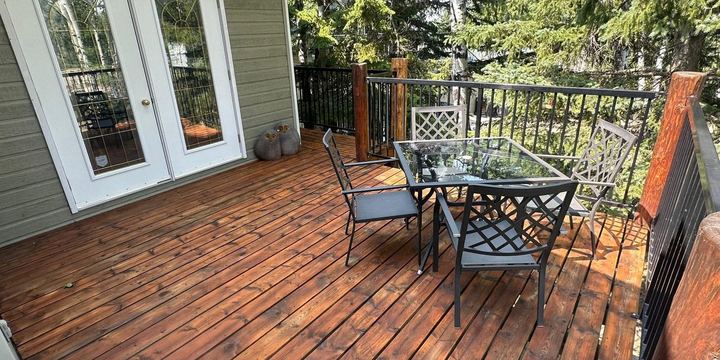
How often a deck needs refinishing in southeast Alberta sun
We get more sun than almost anywhere in Canada. What that does to a deck finish and a realistic cycle for horizontal surfaces.
Read it