



Graffiti removal changes completely with the surface
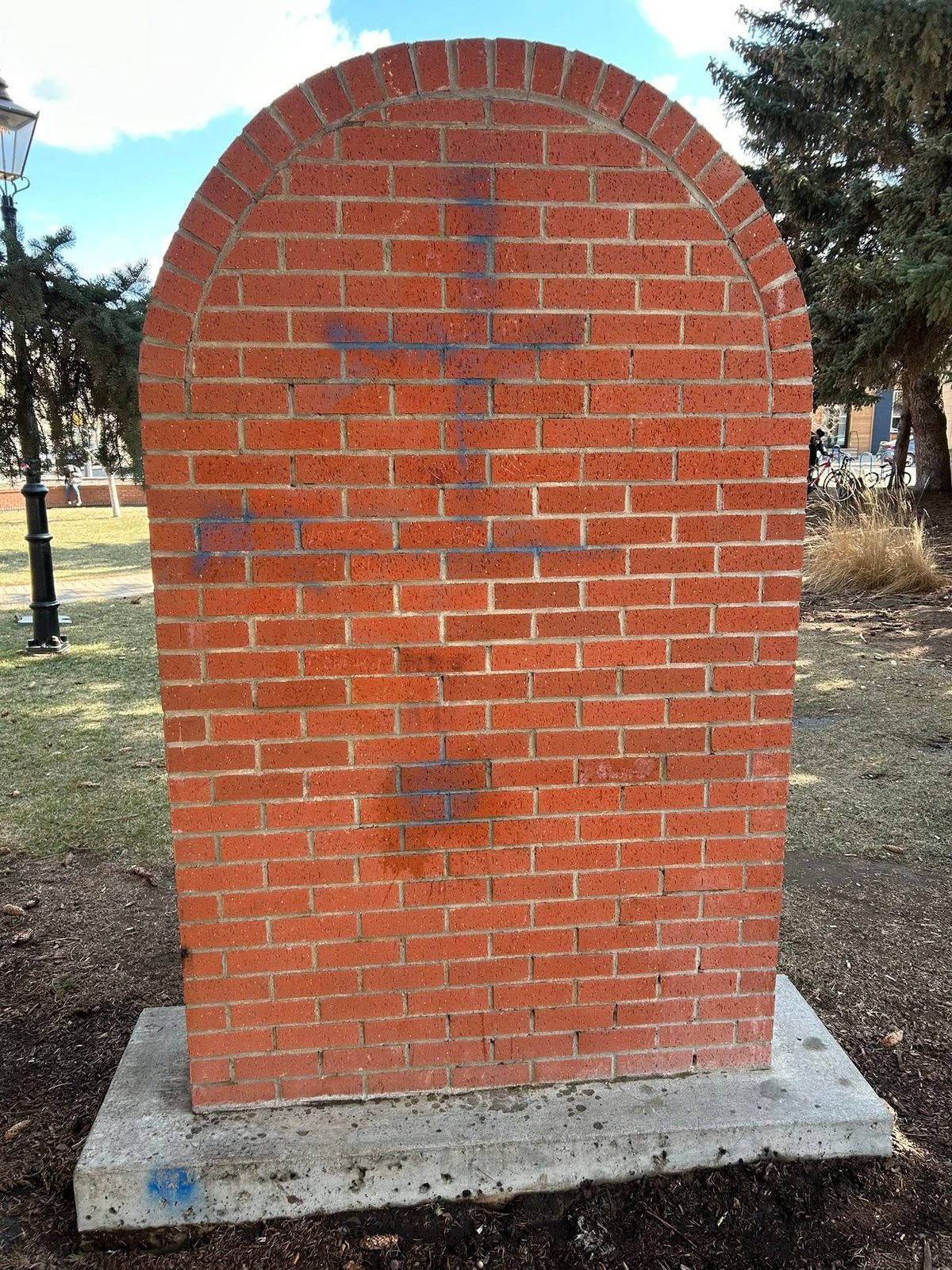
The paint is the same. What is underneath it decides everything about how it comes off.
Unpainted brick and masonry
Porous, so paint penetrates. The hard part is removing it without taking the fired face off the brick. Wet, low pressure, and on soft heritage brick the honest answer is sometimes that it cannot be done safely — see our note on heritage masonry.
Concrete
Generally the most forgiving. Tolerates enough pressure to remove paint from the surface texture. On smooth or sealed concrete, expect some difference in appearance where the sealer has been removed.
Painted steel and coated surfaces
The dilemma: the graffiti and the surface coating are both paint. Removing one usually means removing both. Often the right answer is to strip the panel and recoat rather than attempt selective removal.
Timber
Difficult. Paint penetrates the grain, and removing it aggressively enough to reach the pigment damages the wood. Light removal plus refinishing is usually the practical route.
Glass and signage
Etched glass cannot be recovered by blasting — media will texture the rest of the pane. That is a replacement conversation.
Around Medicine Hat that usually means the historic clay brick through SE Hill and downtown, painted steel on the Box Springs and Brier Park units, and concrete everywhere else. Three surfaces, three approaches.
Talk it through with Matt.
Call 403-702-4435 or text a photo of the job for a straight answer.
Fastest way to a number: text a photo of what needs blasting to 403-702-4435.
Keep reading.
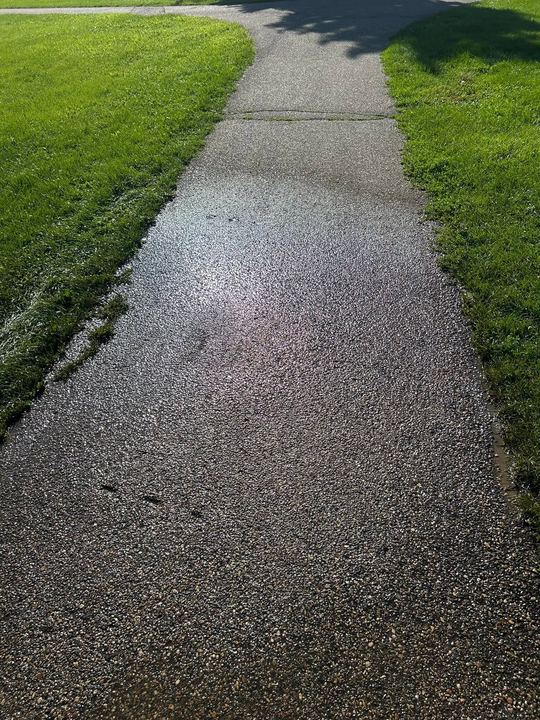
Why removing graffiti fast costs less than removing it well
Fresh paint comes off easily and tagged surfaces attract more tags. Two reasons speed beats everything else here.
Read it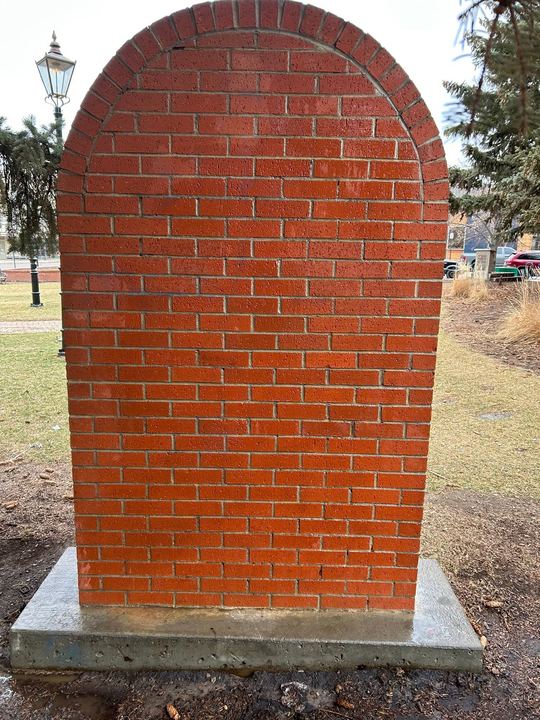
Anti-graffiti coatings: worth it, or worth the money elsewhere?
Sacrificial and permanent barrier coatings both have a case. Where they pay for themselves and where they are an expensive way to change nothing.
Read it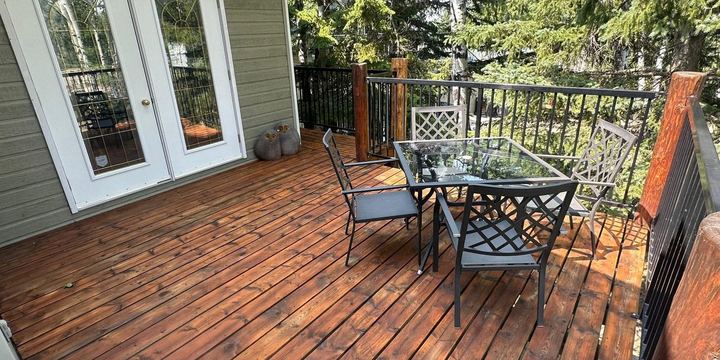
How often a deck needs refinishing in southeast Alberta sun
We get more sun than almost anywhere in Canada. What that does to a deck finish and a realistic cycle for horizontal surfaces.
Read it