

When a coating fails, it is almost never the paint
When a coating lets go inside a season, the paint gets blamed and the supplier gets phoned. In our experience the paint is rarely the problem. The surface it went onto is.
Three ways prep fails
1. Residual corrosion
Rust left in a pit or a seam keeps working under the new film. The coating looks fine for months, then blisters in a pattern that maps exactly onto what was left behind.
2. No surface profile
Coatings need mechanical key. A smooth, polished or previously sealed surface gives the film nothing to grip, so adhesion depends entirely on chemical bond — and that is not enough on steel that flexes, heats and cools.
3. Partial removal
Leaving sound-looking old coating in place assumes the old film is still bonded. If it is not, your new system is only as strong as whatever it was applied over.
Surface preparation is not cleaning. Cleaning removes what is on the surface. Preparation changes the surface so the next system holds.
Matching the method to the substrate
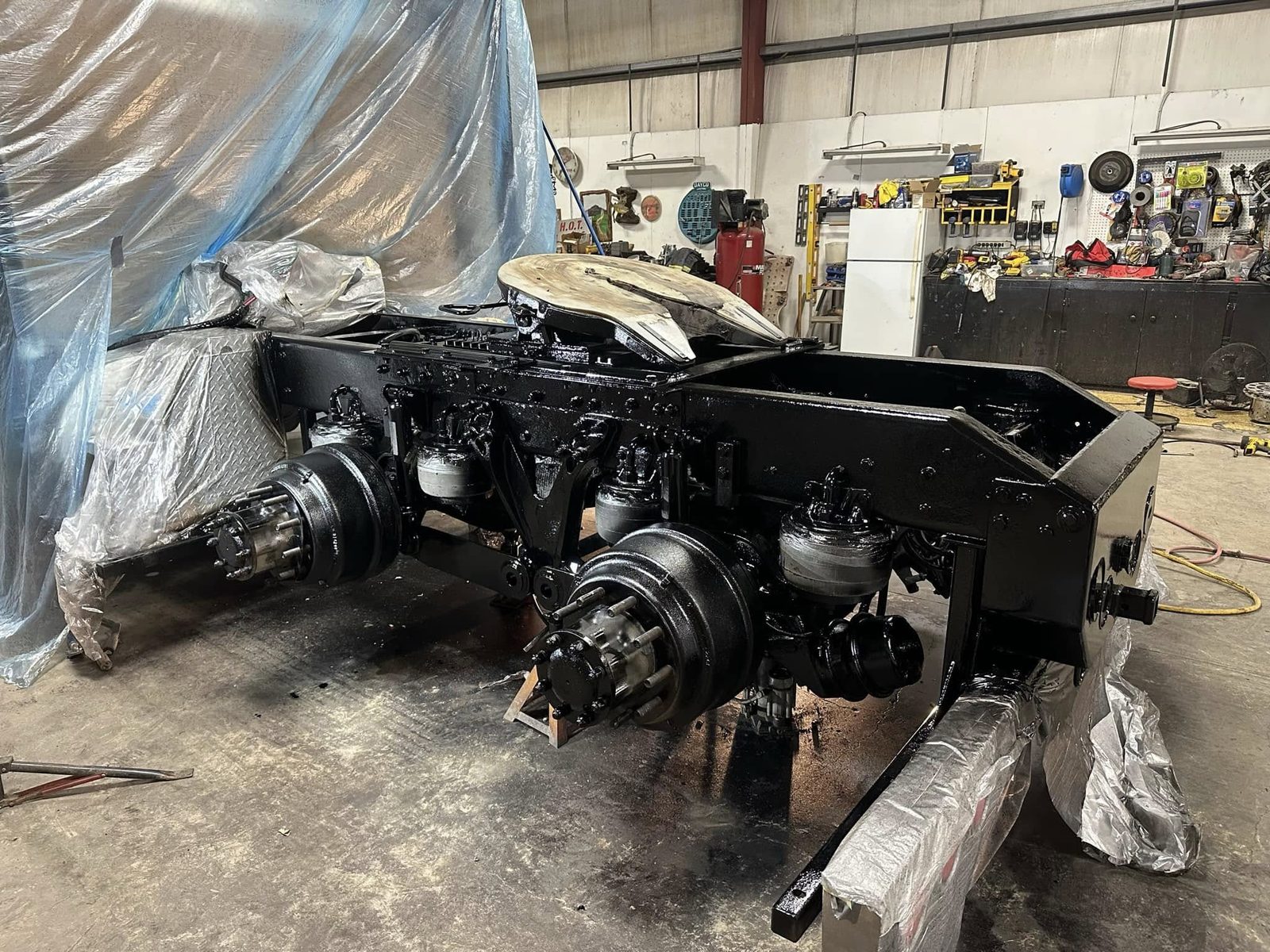
A bin lid, a pressure vessel, a truck frame and a concrete slab are four different jobs even when three of them are steel. Media, pressure, standoff and technique all change with substrate condition, the coating being removed, and the standard the next trade needs.
This is also where the wet/dry decision lives. Dry is faster and right for heavy steel and for wood. Wet cools as it cuts, which is what saves thin sheet from warping, what concrete and brick get — and what lets us work next to a running operation without a dust cloud.
Flash rust is a real deadline
Bare steel begins oxidising as soon as it is exposed. We carry rust inhibitor in the blast water, which holds the surface long enough to coat, but it is not indefinite. The blast and the coat need to be planned as one sequence, not two bookings that happen to be near each other.
The same failure turns up on equipment from yards near Seven Persons and on steel coming out of the shops in Brier Park Industrial. The substrate changes; the reason the coating let go does not.
Talk it through with Matt.
Call 403-702-4435 or text a photo of the job for a straight answer.
Fastest way to a number: text a photo of what needs blasting to 403-702-4435.
Keep reading.
Surface profile, explained without the jargon
Anchor pattern, mils, peak-to-valley. What your coating datasheet is actually asking for and why the number matters.
Read it
SP-6, SP-10 and the standards your coating is asking for
Commercial blast, near-white, white metal. What the common cleanliness standards actually require and which one your job needs.
Read it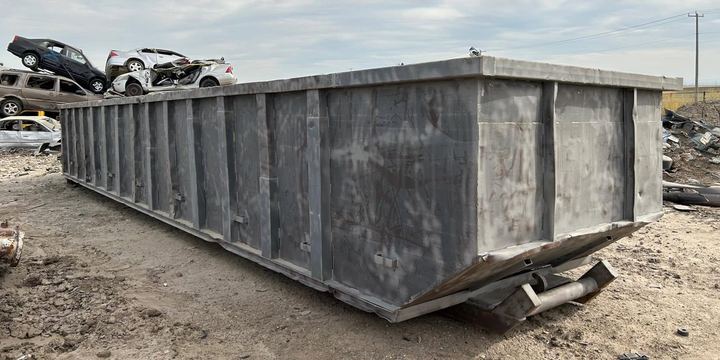
Running a roll-off bin fleet through refurbishment
Bins are the definition of a rolling maintenance problem. How to cycle a fleet through without taking the whole thing off the road.
Read it