


Tank and vessel exteriors: where maintenance money goes furthest
Blanket recoating a tank exterior is expensive and frequently unnecessary. Corrosion on vessels concentrates, and the concentrations are predictable.
Where it actually happens
- The base and chime, where water sits and where the tank meets its foundation.
- Under insulation, if there is any — corrosion under insulation is the classic hidden failure.
- Around nozzles, manways and attachments, where coating is thinnest and geometry is complex.
- Ladders, platforms and handrails, which corrode faster than the shell and are a safety issue rather than an aesthetic one.
- Anywhere runoff concentrates off the roof.
The maintenance argument
Spot-preparing and coating those areas on a cycle costs a fraction of a full recoat and prevents the localised failures that eventually force one. The decision to fully recoat should be driven by the overall condition of the film, not by a few bad areas.
Access is the cost driver
On tanks, the surface preparation is usually the smaller part of the number. Staging, access and containment are the rest of it.
Tanks and vessels sitting on leases across Cypress County and out toward Suffield take wind-driven grit year round, which wears a coating from the windward side long before the rest of the vessel shows anything.
Talk it through with Matt.
Call 403-702-4435 or text a photo of the job for a straight answer.
Fastest way to a number: text a photo of what needs blasting to 403-702-4435.
Keep reading.
Surface profile, explained without the jargon
Anchor pattern, mils, peak-to-valley. What your coating datasheet is actually asking for and why the number matters.
Read it
SP-6, SP-10 and the standards your coating is asking for
Commercial blast, near-white, white metal. What the common cleanliness standards actually require and which one your job needs.
Read it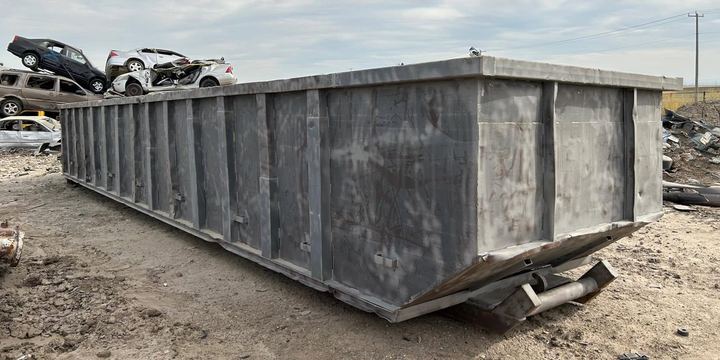
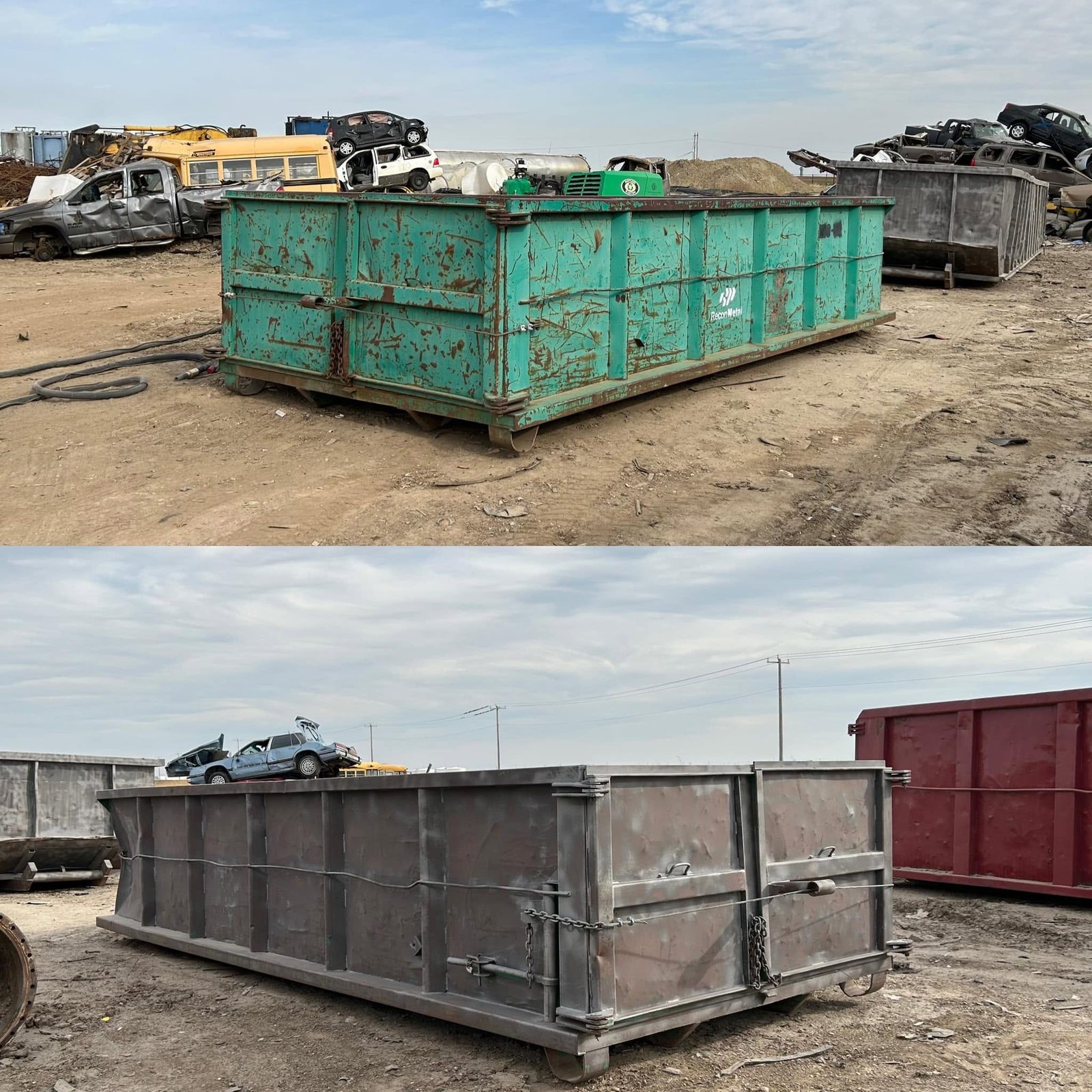
Running a roll-off bin fleet through refurbishment
Bins are the definition of a rolling maintenance problem. How to cycle a fleet through without taking the whole thing off the road.
Read it