

What "silica-free media" actually means, and why it matters
The "eco" in our name is mostly about one thing: what we are not putting into the air.
The problem with sand
Traditional sandblasting uses silica sand. Blasting shatters it, releasing respirable crystalline silica — particles small enough to reach deep into the lungs. It is a classified human carcinogen and the cause of silicosis, which is irreversible.
It does not only affect the operator. It travels, which is why traditional blasting requires shutting down the area around it.
What we use instead
Recycled crushed glass. No crystalline silica, made from post-consumer glass, and inert — safe around people, plants and livestock. It also cuts efficiently and is economical, so it is not a compromise choice.
Why it changes the job
- We can work beside a running operation instead of shutting it down.
- We can work in yards, parks and residential settings.
- Nobody nearby needs respiratory protection because of us.
- Spent media disposal is straightforward.
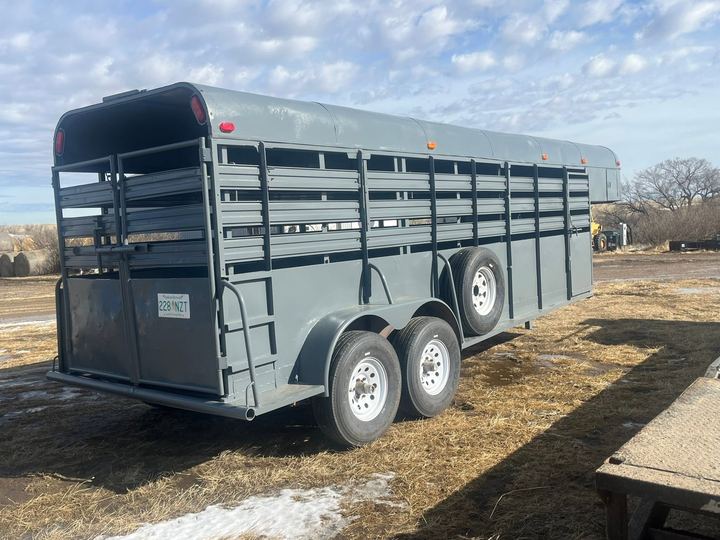
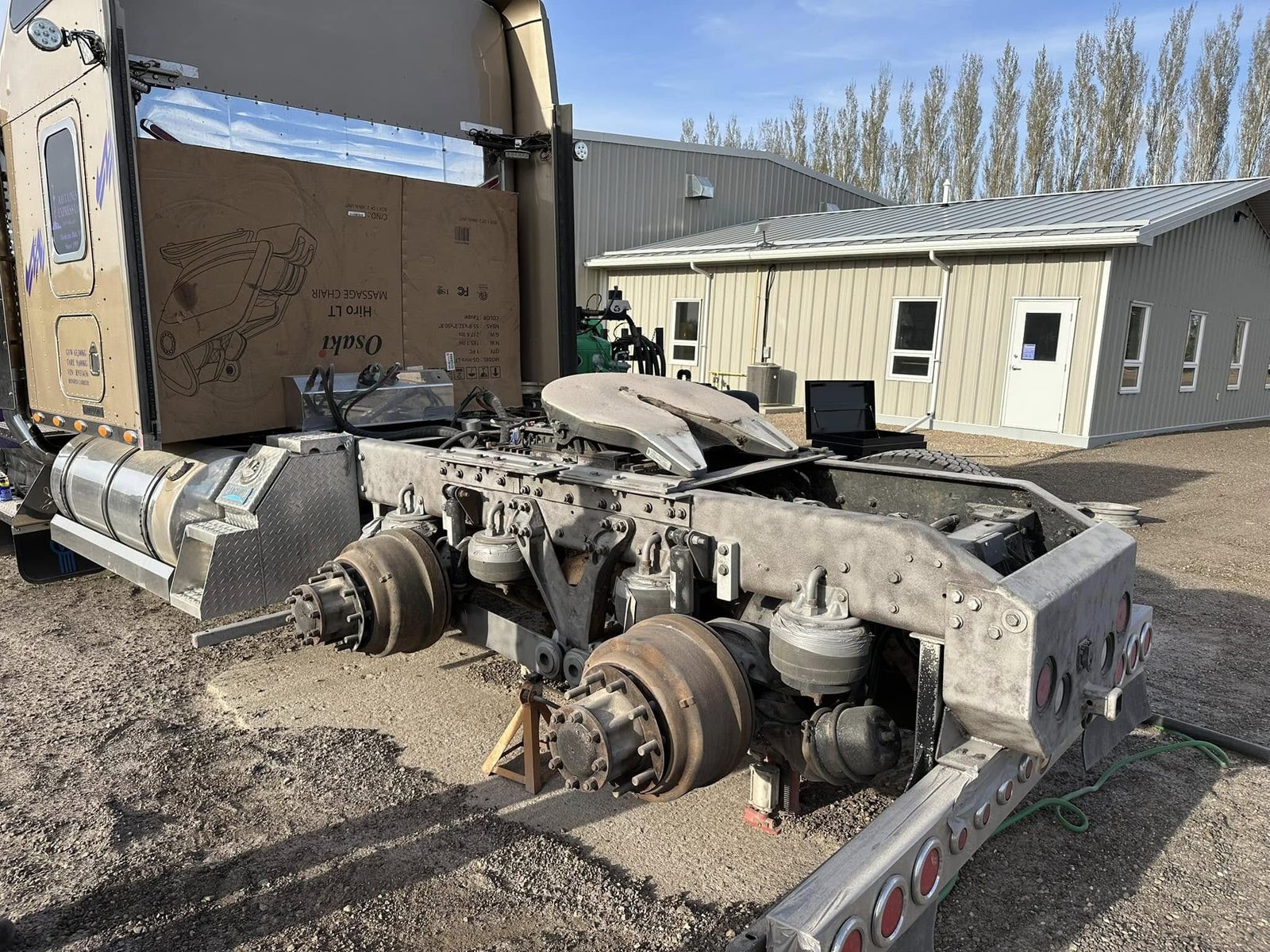
It is also what makes the work possible on a live yard in Brier Park Industrial, on a residential street in Crescent Heights, or beside livestock on a place out toward Seven Persons — all of which we would not be able to take on with sand.
Talk it through with Matt.
Call 403-702-4435 or text a photo of the job for a straight answer.
Fastest way to a number: text a photo of what needs blasting to 403-702-4435.
Keep reading.
What to have ready before we arrive
A short list that shortens the job and lowers the bill. Most of it takes an afternoon.
Read it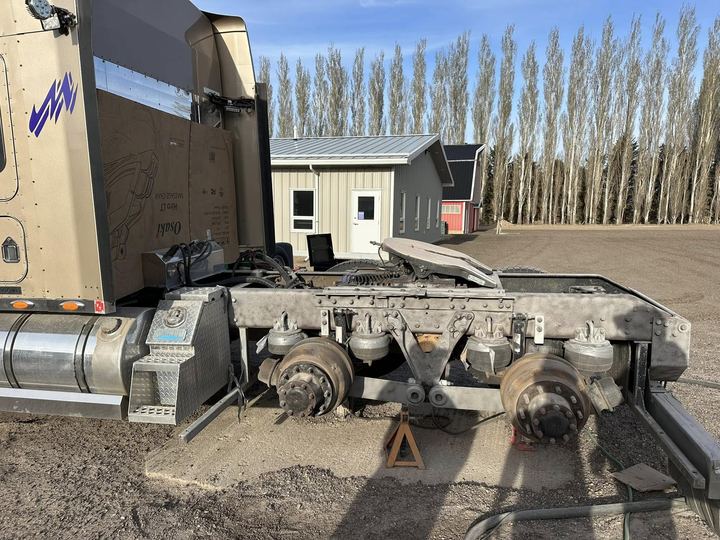
How to send a photo that gets you an accurate number
Most jobs can be quoted from pictures. Four shots and three facts is usually all it takes.
Read it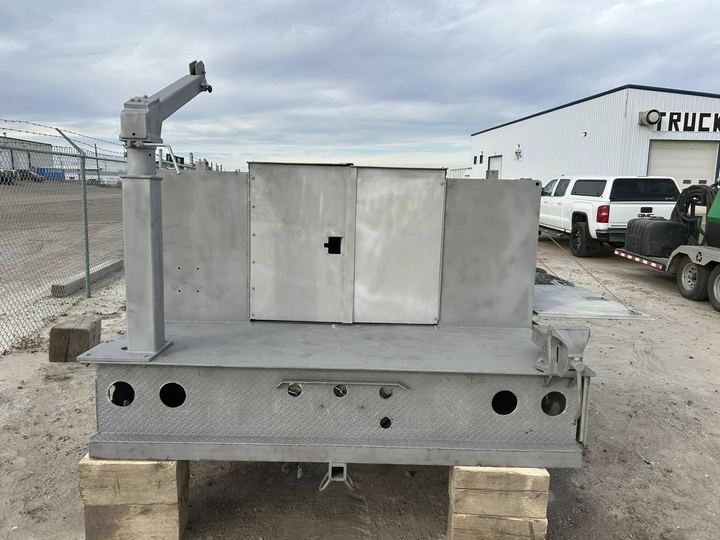
The blasting season here, and how to book around it
Weather sets our calendar more than demand does. What can be done when, and when to call for each kind of work.
Read it