

Sandblasting heritage brick is how you destroy it
This is a post about work we turn down, and why turning it down is the right call.
Medicine Hat is unusual
Brick dominates here in a way it does not across most of the prairies, where early construction went up in wood. We had the clay, we had the gas to fire it, and the I-XL works at Redcliff supplied a downtown of Edwardian brick commercial buildings that is still standing and still occupied.
That means a lot of the masonry in this city is old, soft-fired, and genuinely irreplaceable.
What the fired face does
When brick is fired, the outer few millimetres vitrify into a harder, denser skin. That skin is what keeps water out. The body of the brick behind it is comparatively soft and porous.
Blast that skin off and you expose the soft body. The brick starts absorbing water, and in a climate that freezes and thaws the way ours does, absorbed water expands and spalls the face off in sheets. It accelerates every year after.
There is no repair for a blasted heritage facade. You cannot put a fired surface back on. The only remedy is replacing the brick.
How to tell before you commit
- Age. Pre-war brick is usually softer than anything modern.
- The scratch test. If a key marks the face easily, it is soft.
- Existing spalling. If faces are already flaking anywhere on the wall, the building is telling you.
- Mortar. Soft lime mortar generally means soft brick and a wall built to breathe.
What we do instead
Where masonry can take it, we work wet and at low pressure, test an inconspicuous area first, and stop the moment the face starts to change rather than the moment the coating comes off. On soft brick that will not tolerate even that, the honest answer is a gentler chemical or steam method — or leaving it alone.
Newer, harder brick, concrete, stone and aggregate are a different conversation entirely and usually blast well.
Directly relevant in Medicine Hat, where the historic buildings through SE Hill, Riverside and downtown are built from the city's own soft clay brick — the exact material that aggressive dry blasting ruins permanently.
Talk it through with Matt.
Call 403-702-4435 or text a photo of the job for a straight answer.
Fastest way to a number: text a photo of what needs blasting to 403-702-4435.
Keep reading.
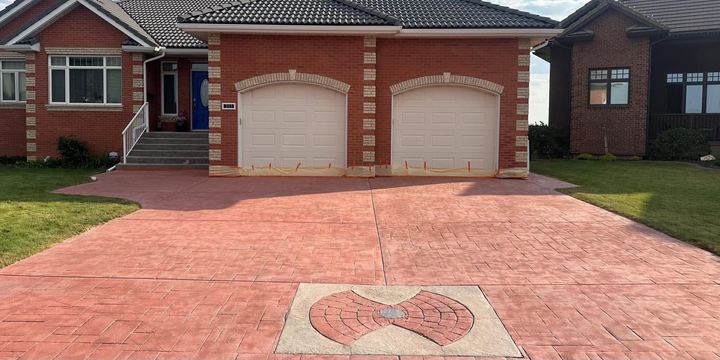
Exposed aggregate: how the finish is actually made
Blasting concrete to expose the stone is a controlled removal, not a clean. What decides how it turns out.
Read it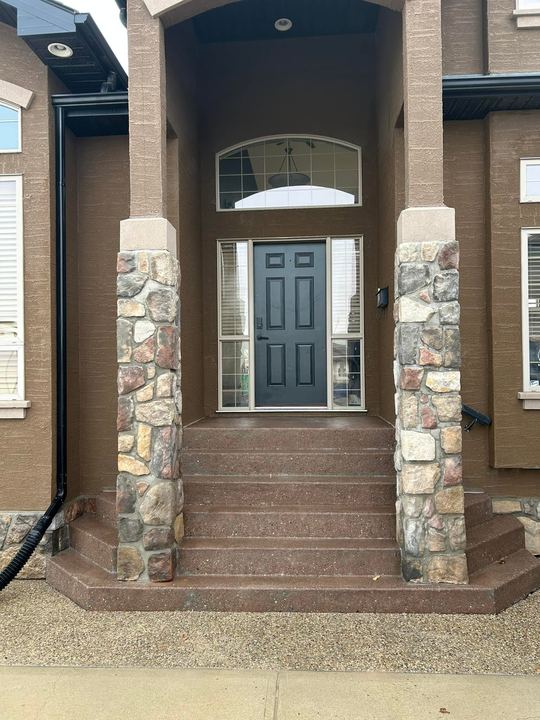
Why your concrete sealer went cloudy, and how it comes off
White blush, peeling and hazing on decorative concrete. What causes each and why recoating over it makes it worse.
Read it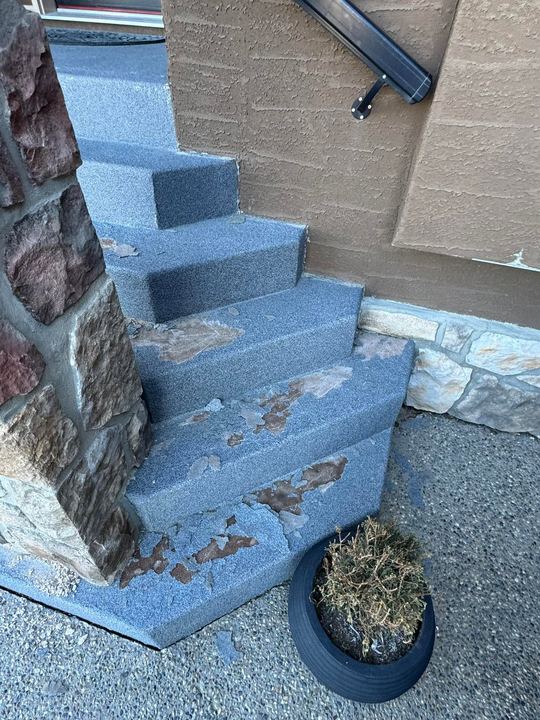
Removing parking lot lines without scarring the asphalt
Reconfiguring a lot means the old layout has to go. Grinding leaves ghosts and gouges — blasting does not have to.
Read it