

Aluminium, fibreglass and the substrates that need a lighter hand
Steel forgives a lot. The other materials on a vehicle do not, and treating them the same is how parts get ruined.
Aluminium
Soft, and it work-hardens differently from steel. Media and pressure both come down. Panels are thin and distort even more readily than steel, so wet blasting is effectively mandatory. Machined and polished surfaces cannot be restored once textured.
Fibreglass and composites
Can be done, carefully. The risk is exposing or damaging the fibre matting under the gelcoat, which is a repair rather than a refinish. Very low pressure, soft media, constant movement, and stop at the gelcoat rather than through it.
Cast and pot metal
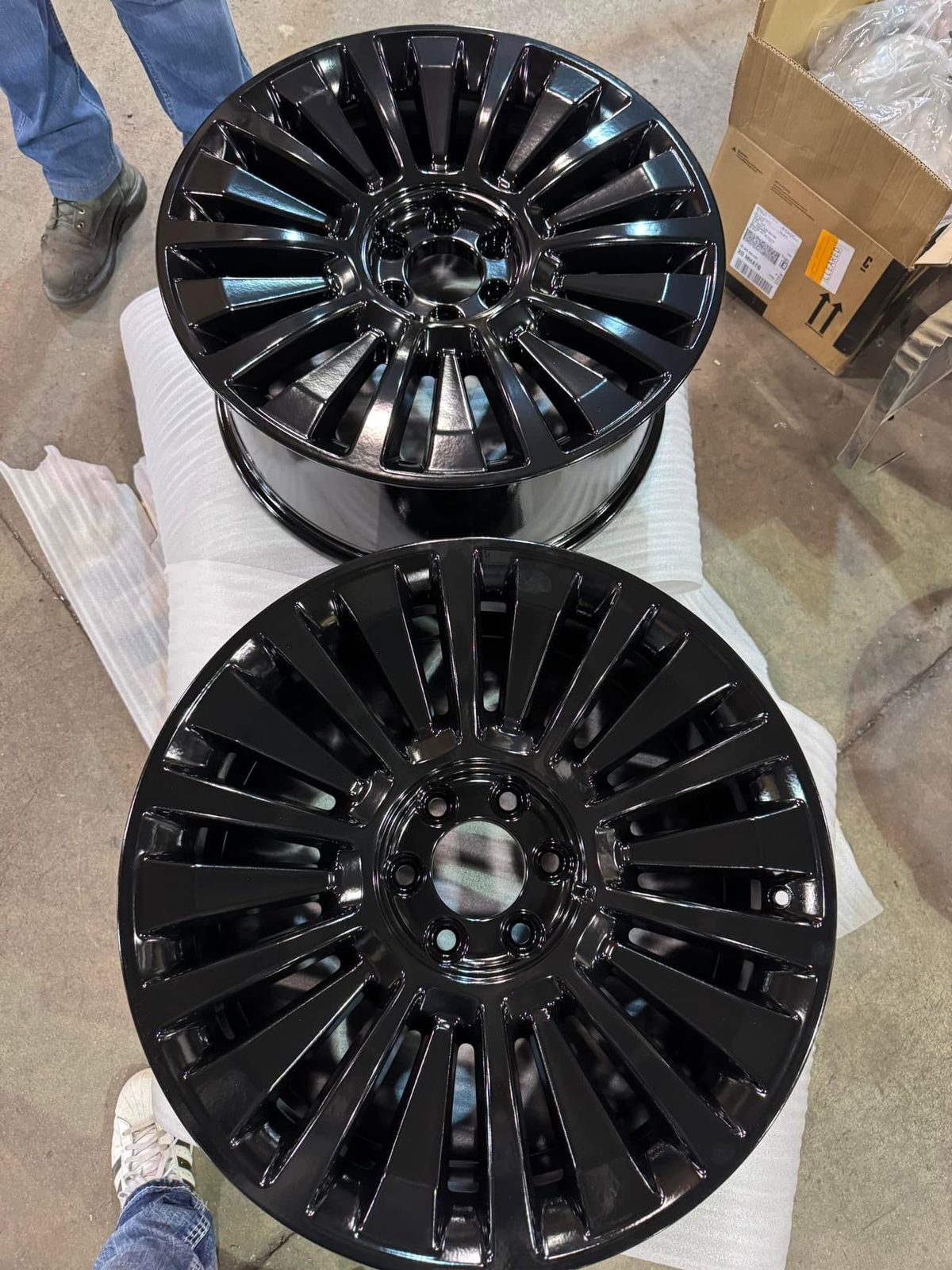
Castings are porous and often brittle. They strip well at low pressure but will show every casting flaw that paint was hiding — which is usually fine on a chassis component and disappointing on a trim piece.
Where we say no
- Chrome that is intended to stay chrome.
- Anodised finishes you want to keep.
- Glass, seals, and anything with a bearing surface.
- Plastics and trim — media will texture them permanently.
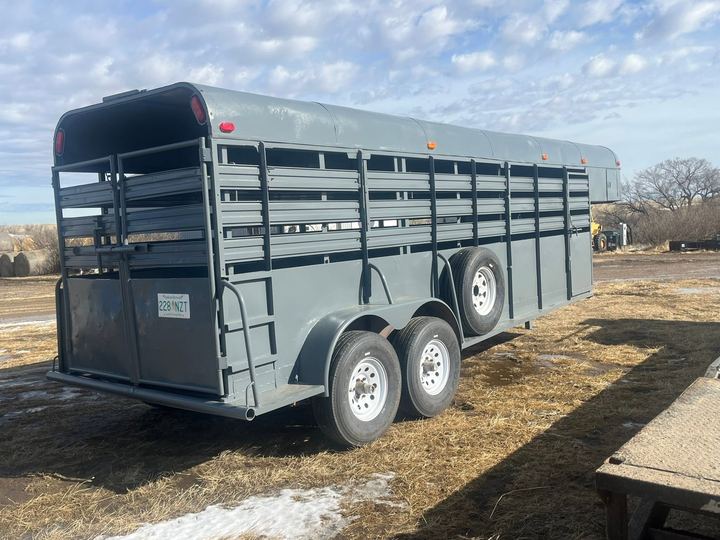
Common on the boat and trailer work that comes in from Elkwater Lake and the reservoirs around Cypress County, where hulls and panels need the finish off without the substrate touched.
Talk it through with Matt.
Call 403-702-4435 or text a photo of the job for a straight answer.
Fastest way to a number: text a photo of what needs blasting to 403-702-4435.
Keep reading.
Wet vs dry blasting on body panels
Friction heat is what warps sheet metal. Why water in the stream is not a preference on thin panels — it is the whole reason the job works.
Read it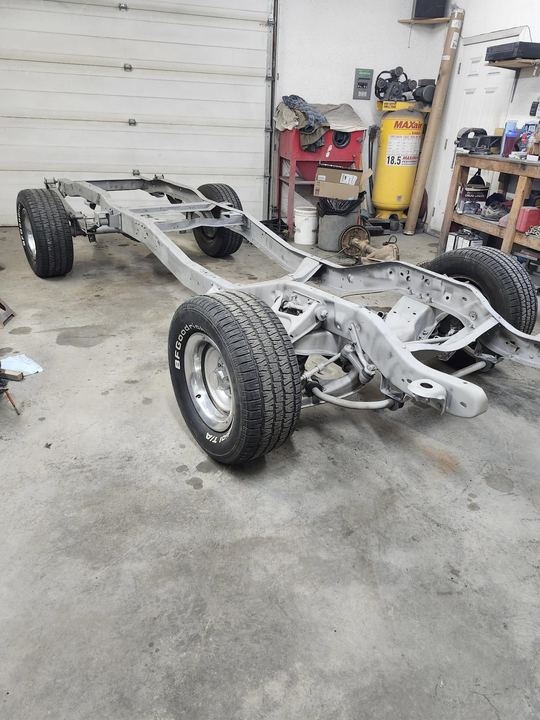
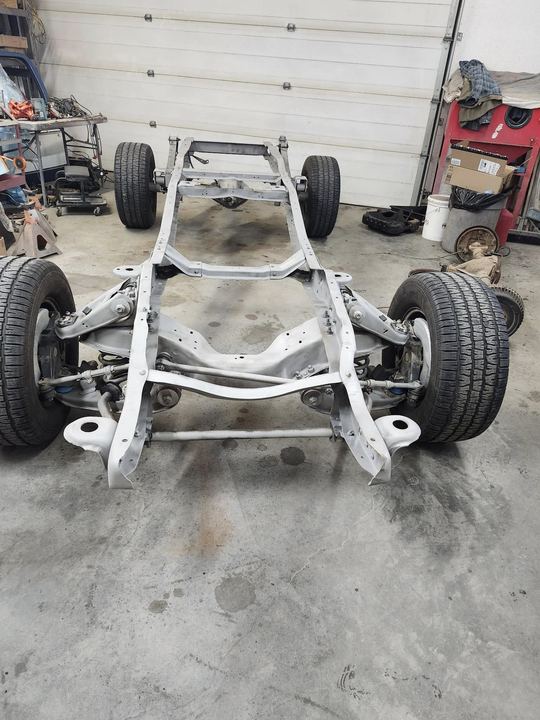
Blasting for a frame-off restoration
What to strip, what order to do it in, and the mistakes that cost people a second round of preparation.
Read it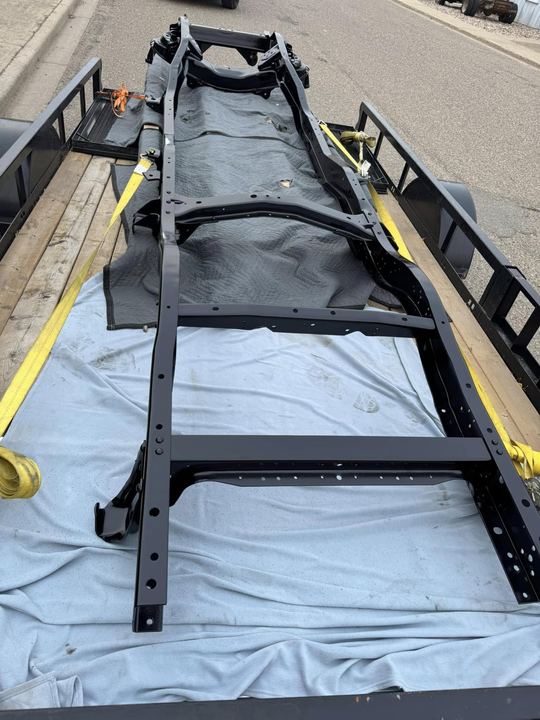
Wheels: stripping alloys properly before refinishing
Brake dust, curb rash and failed clear coat. What comes off, what to watch on alloy, and why the prep decides the finish.
Read it