

Blasting on a site that cannot shut down
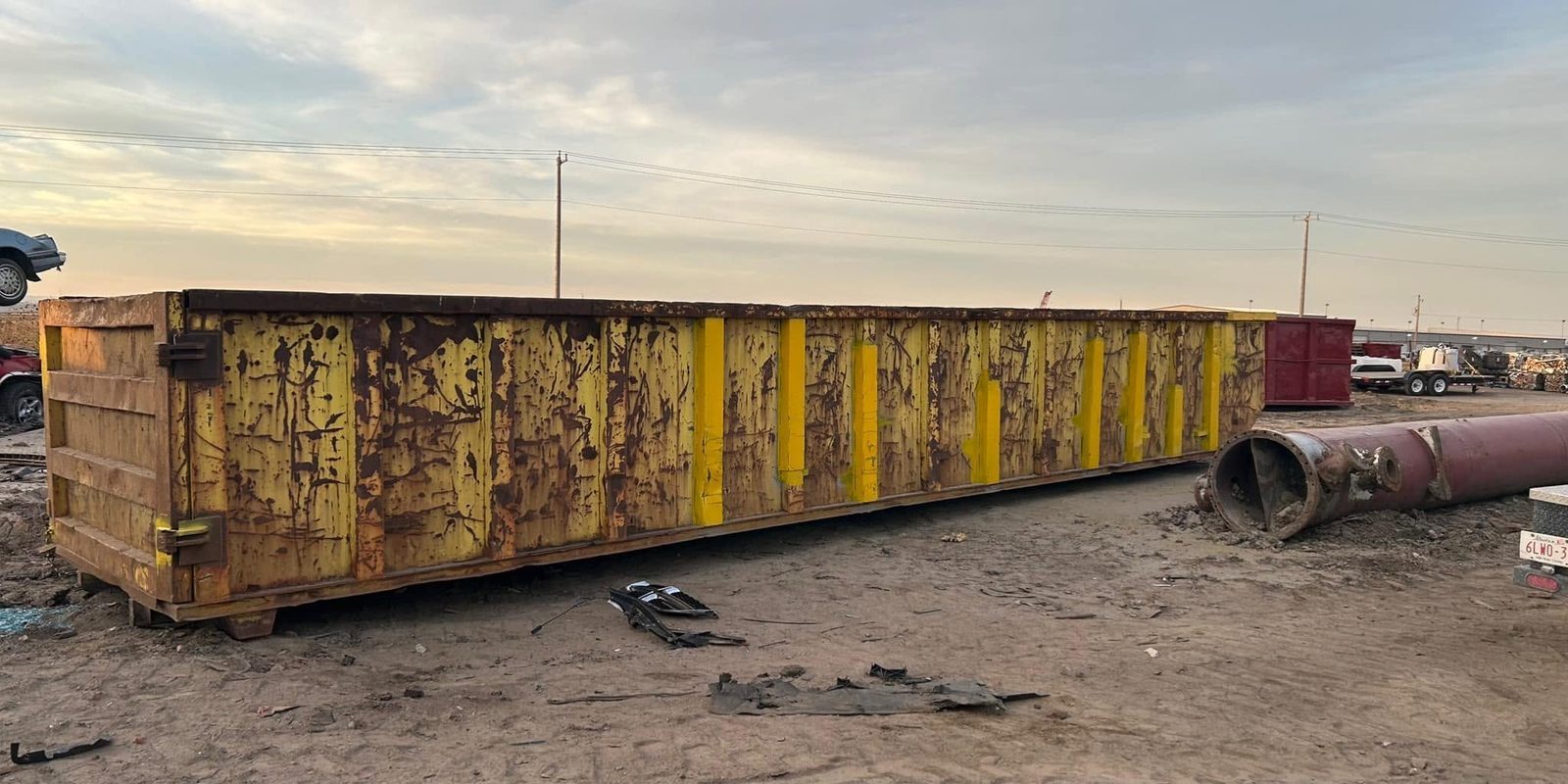
Most industrial blasting happens next to something that cannot stop. That constraint shapes the whole job.
What dustless actually buys you
Water in the blast stream knocks airborne dust down dramatically. That is the difference between working beside a running operation and shutting a yard down for the day. It is not zero dust and we will not claim it is — but it is the difference between a contained work area and a cloud crossing the property.
Containment layers
- Physical screening around the work area to stop overspray and media travel.
- Ground protection so spent media can be collected rather than worked into the yard.
- Directional control — working with the wind rather than against it, which sometimes means changing the sequence.
- Protection of adjacent assets, particularly anything with intakes, filters or exposed machined surfaces.
What we need to know beforehand
- What is running nearby and whether it draws air.
- Whether there are vehicles, product or finished goods in range.
- Access, working hours and any permit requirements.
- Where spent media can be staged before removal.
This is the normal condition on the working yards through Brier Park Industrial and Box Springs Business Park, where the neighbouring unit is open for business and the traffic does not stop for your job.
Talk it through with Matt.
Call 403-702-4435 or text a photo of the job for a straight answer.
Fastest way to a number: text a photo of what needs blasting to 403-702-4435.
Keep reading.
Surface profile, explained without the jargon
Anchor pattern, mils, peak-to-valley. What your coating datasheet is actually asking for and why the number matters.
Read it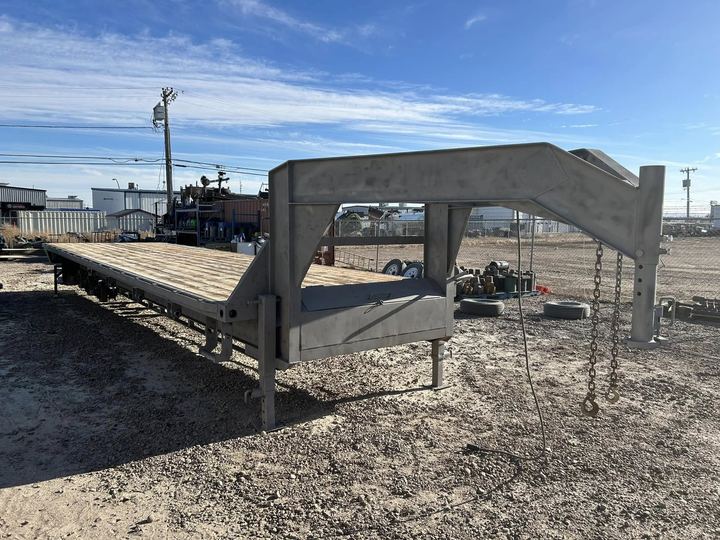
SP-6, SP-10 and the standards your coating is asking for
Commercial blast, near-white, white metal. What the common cleanliness standards actually require and which one your job needs.
Read it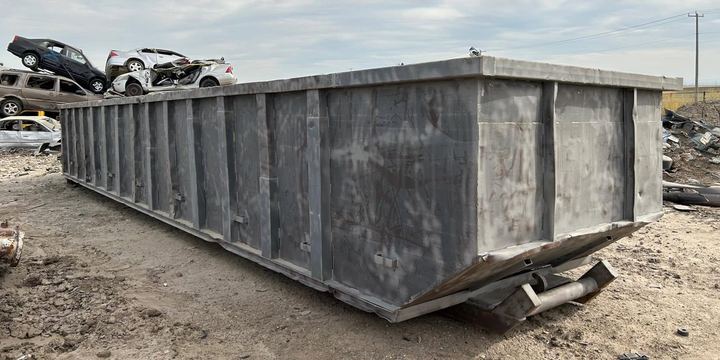
Running a roll-off bin fleet through refurbishment
Bins are the definition of a rolling maintenance problem. How to cycle a fleet through without taking the whole thing off the road.
Read it