

What blasting reveals — and why that is the point
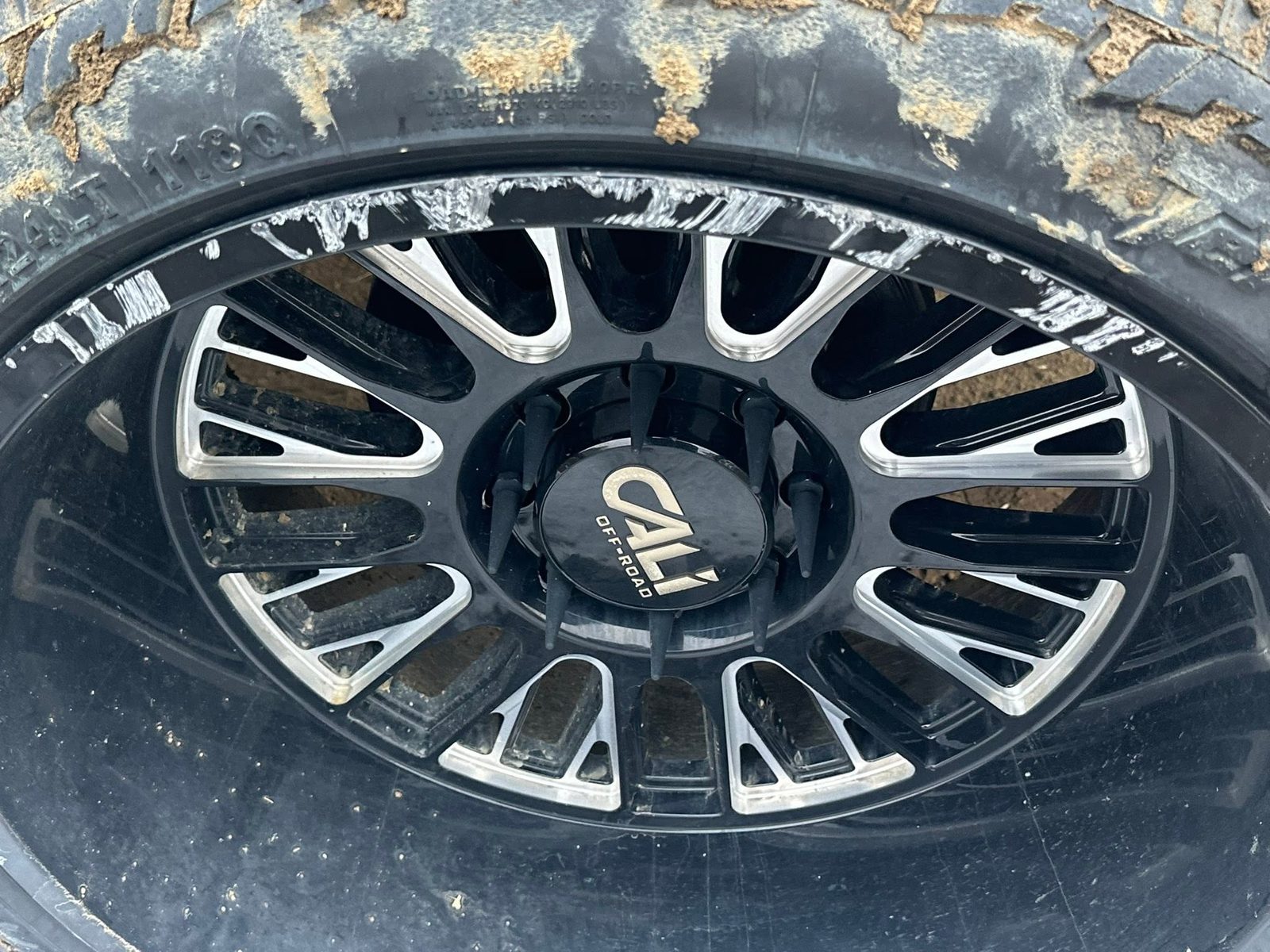
Almost every project vehicle comes back from blasting with more revealed than the owner expected. That is not bad news, it is the information the project needed.
What turns up
- Filler, and a lot of it. Sometimes centimetres deep in a quarter panel.
- Previous repairs — patch panels, pop rivets, fibreglass, expanding foam. All of it invisible under paint.
- Perforation where undercoat was bridging holes.
- Old accident damage, visible as pulled or stretched metal once the filler is off.
- Genuinely sound steel, sometimes in places people had written off.
How to think about it
The rust was always there. The choice is finding it now, with the panel accessible and nothing invested in paint, or finding it in three years when it comes through a finished respray.
Nobody has ever been happier discovering rust after the paint went on.
Budget accordingly
On any vehicle over thirty years old with unknown history, assume metalwork. If it turns out not to need it, you are ahead.
On vehicles that have wintered outside anywhere around Medicine Hat, the surprise is almost always at the seams and the lower rear quarters, where salt collects and nothing dries out.
Talk it through with Matt.
Call 403-702-4435 or text a photo of the job for a straight answer.
Fastest way to a number: text a photo of what needs blasting to 403-702-4435.
Keep reading.
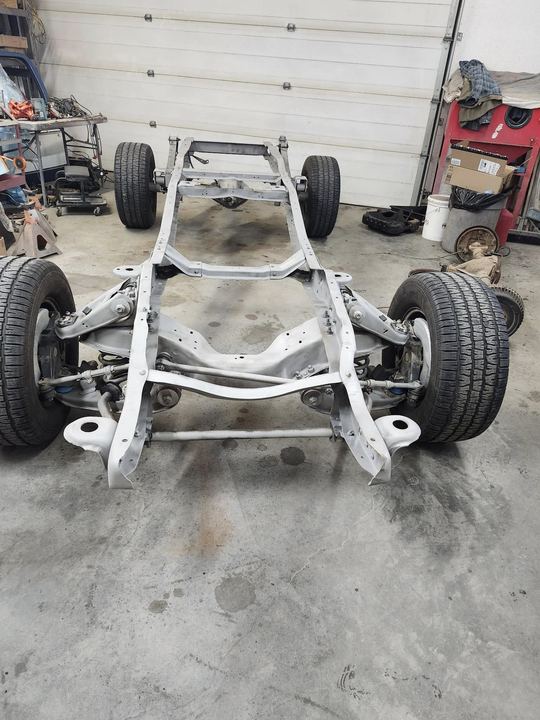
Wet vs dry blasting on body panels
Friction heat is what warps sheet metal. Why water in the stream is not a preference on thin panels — it is the whole reason the job works.
Read it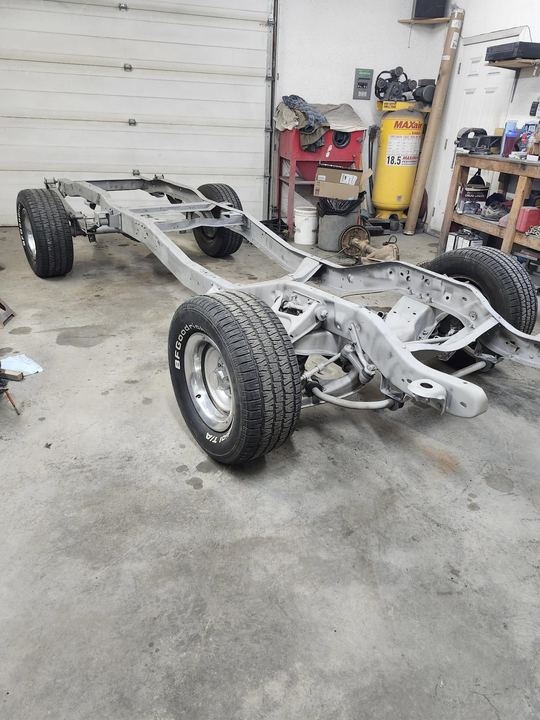
Blasting for a frame-off restoration
What to strip, what order to do it in, and the mistakes that cost people a second round of preparation.
Read it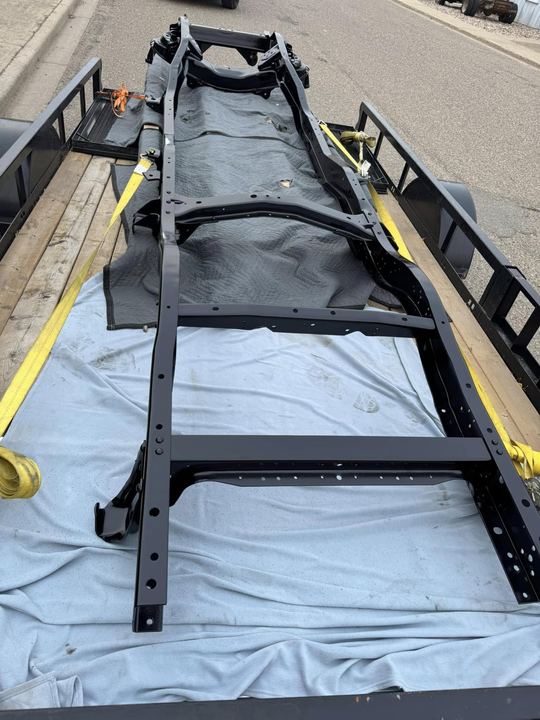
Wheels: stripping alloys properly before refinishing
Brake dust, curb rash and failed clear coat. What comes off, what to watch on alloy, and why the prep decides the finish.
Read it