

Repair or replace: what blasting tells you
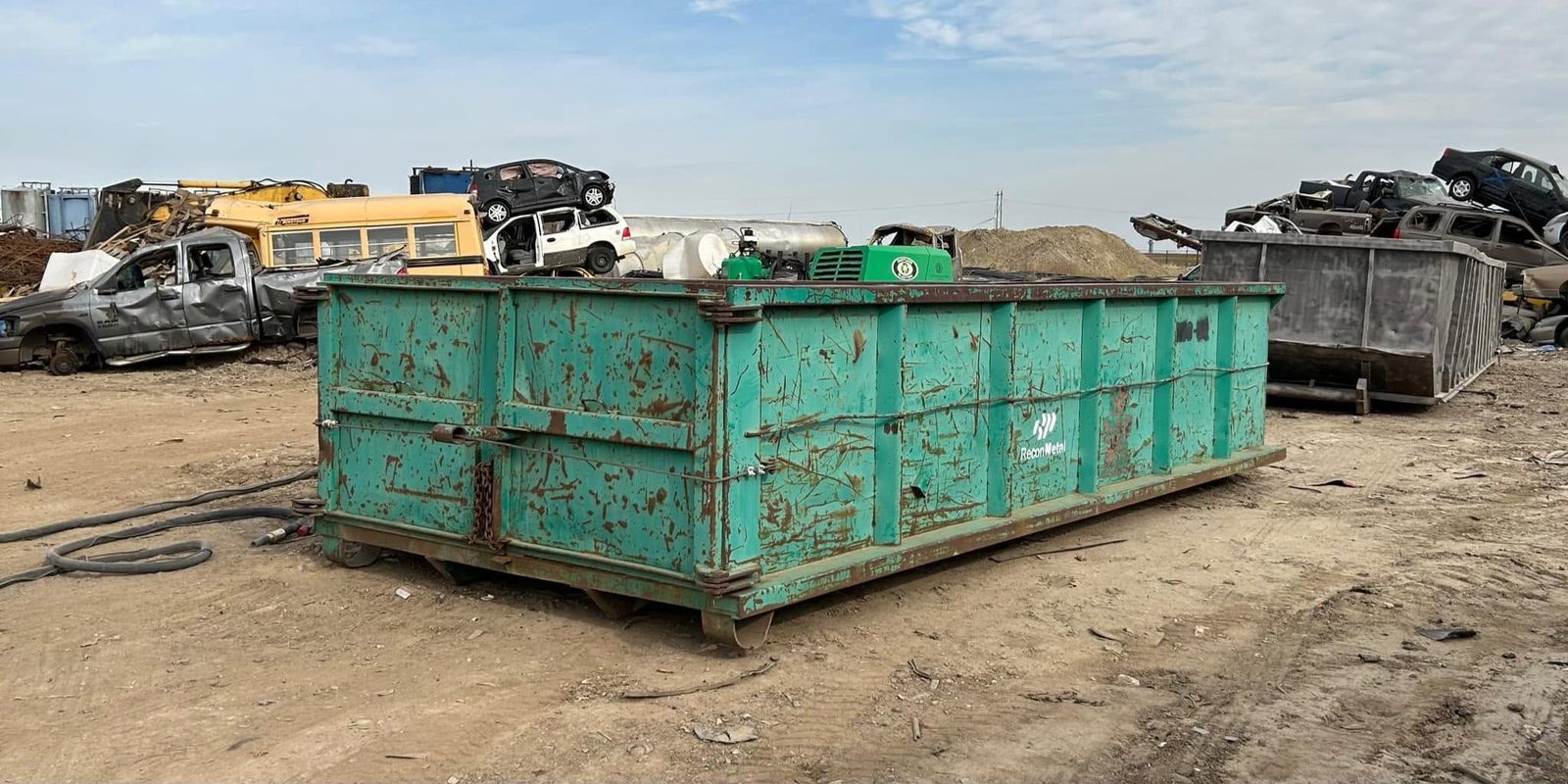
Blasting is diagnostic as much as preparatory. Scale, filler and old coating hide a lot, and removing them shows you what you actually own.
What gets revealed
- Perforation where scale was holding the shape.
- Section loss — steel thinned to the point it no longer carries what it used to.
- Previous repairs, often badly done and coated over.
- Weld condition, including cracking that was invisible under paint.
How to plan for it
Assume there will be some. On any asset over a decade old, budget a contingency for repair rather than treating discovery as a project overrun. The alternative — not knowing — is worse.
Blasting does not create the problem. It stops you paying to coat one.
The decision framework
Localised perforation in non-structural sheet is usually a straightforward repair. Widespread section loss in load-carrying members is a replacement conversation. Anything structural should be assessed by someone qualified to do it, not by us.
It is a decision worth making before a unit leaves a yard in Redcliff or Brier Park Industrial for a fabricator, because blasting is what tells you whether you are paying to repair sound steel or paying to patch something already finished.
Talk it through with Matt.
Call 403-702-4435 or text a photo of the job for a straight answer.
Fastest way to a number: text a photo of what needs blasting to 403-702-4435.
Keep reading.
Surface profile, explained without the jargon
Anchor pattern, mils, peak-to-valley. What your coating datasheet is actually asking for and why the number matters.
Read it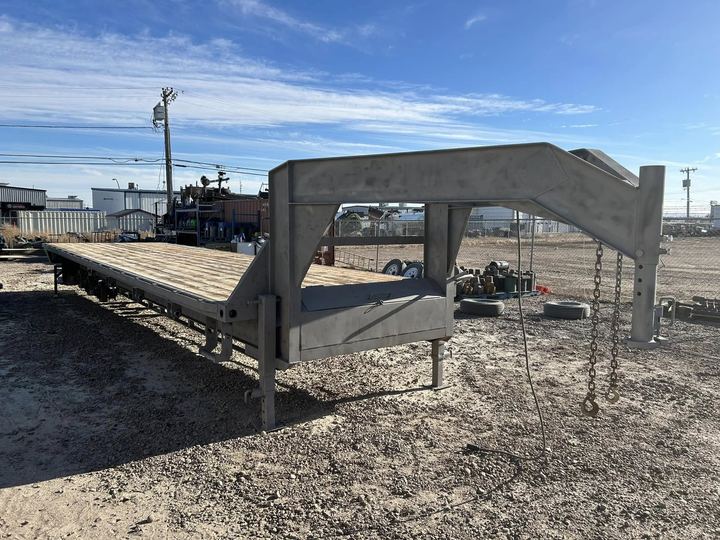
SP-6, SP-10 and the standards your coating is asking for
Commercial blast, near-white, white metal. What the common cleanliness standards actually require and which one your job needs.
Read it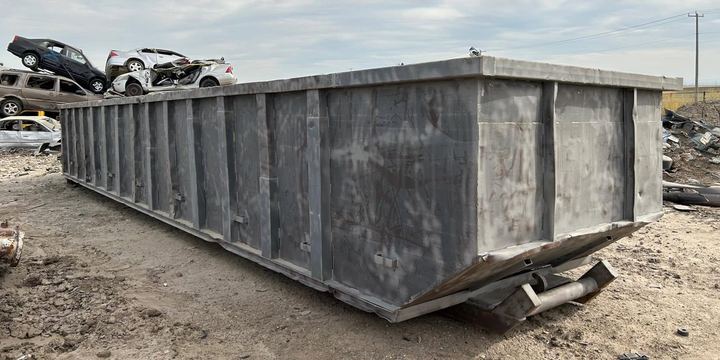
Running a roll-off bin fleet through refurbishment
Bins are the definition of a rolling maintenance problem. How to cycle a fleet through without taking the whole thing off the road.
Read it